
 A SCHOLARLY BOOK REPOSITORY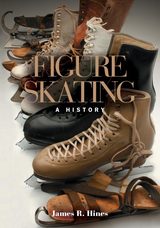
The only comprehensive history of figure skating in over forty years
Figure skating, unique in its sublimely beautiful combination of technical precision, musicality, and interpretive elements, has undergone many dramatic developments since the only previous history of the sport was published in 1959. This exciting and information-packed new history by James R. Hines explains skating’s many technical and artistic advances, its important figures, its intrigues and scandals, and the historical high points during its long evolution.
Hines divides his history into three periods separated by the World Wars. In the first section, he follows functional and recreational ice skating through its evolution into national schools, culminating in the establishment of the International Skating Union and the ascendancy of an international style of skating. The second section explains the changes that occurred as the sport expanded into the form we recognize and enjoy today, and the final section shows how skating became increasingly athletic, imaginative, and intense following World War II, as the main focus turns to skaters themselves. The profiles include some 148 World and Olympic Champions as well as others who, in Dick Button’s words, "left the sport better because they were in it."
Beginning with mythological tales from twelfth- and thirteenth-century Scandinavians, Hines describes hundreds who have contributed to the sport. They include figure skating’s patron saint Lydwina of Schiedam, whose late-fourteenth-century skating tumble has been documented in a woodcut; Ulrich Salchow and Axel Paulsen, who gave their names to distinctive jumps; Madge Syers, who entered and medaled at the previously all-male World Championships in 1902; and Sonja Henie, who took skating to the silver screen. The history ends with the 2002 skating season, when Maria Butyrskaya and Michelle Kwan commanded the most attention and an unfortunate judging decision rocked the pairs’ competition, resulting in the adoption of a new judging system.
Beyond the contributions of individual skaters, Figure Skating also traces the growth of competitions and show skating (professional and amateur), and discussions of relevant social, political, and ethical concerns that have affected the sport. Along with over seventy magnificent historical pictures spread throughout the book, a very special gallery features the picture of every world and Olympic champion. Figure Skating is an informative and inspiring resource, sure to be enjoyed by anyone who has ever skated recreationally or in competition as well as by the many fans who have this beautiful sport as spectators.
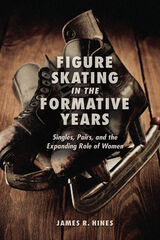
Renowned sports historian James R. Hines chronicles figure skating's rise from its earliest days through its head-turning debut at the 1908 Olympics and its breakthrough as entertainment in the 1930s. Hines credits figure skating's explosive expansion to an ever-increasing number of women who had become proficient skaters and wanted to compete, not just in singles but with partners as well.
Matters reached a turning point when British skater Madge Syers entered the otherwise-male 1902 World Championship held in London and finished second. Called skating's first feminist, Syers led a wave of women who made significant contributions to figure skating and helped turn it into today's star-making showcase at every Winter Olympics.
Packed with stories and hard-to-find details, Figure Skating in the Formative Years tells the early history of a sport loved and followed by fans around the world.

READERS
Browse our collection.
PUBLISHERS
See BiblioVault's publisher services.
STUDENT SERVICES
Files for college accessibility offices.
RECENTLY PUBLISHED






UChicago Accessibility Resources
home | accessibility | search | about | contact us
BiblioVault ® 2001 - 2025
The University of Chicago Press