 A SCHOLARLY BOOK REPOSITORY
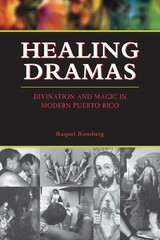
In this intimate ethnography, Raquel Romberg seeks to illuminate the performative significance of healing rituals and magic works, their embodied nature, and their effectiveness in transforming the states of participants by focusing on the visible, albeit mostly obscure, ways in which healing and magic rituals proceed. The questions posed by Romberg emerge directly from the particular pragmatics of Puerto Rican brujería (witch-healing), shaped by the eclecticism of its rituals, the heterogeneous character of its participants, and the heterodoxy of its moral economy.
What, if any, is the role of belief in magic and healing rituals? How do past discourses on possession enter into the performative experience of ritual in the here and now? Where does belief stop, and where do memories of the flesh begin? While these are questions that philosophers and anthropologists of religion ponder, they acquire a different meaning when asked from an ethnographic perspective.
Written in an evocative, empathetic style, with theoretical ruminations about performance, the senses, and imagination woven into stories that highlight the drama and humanity of consultations, this book is an important contribution to the cross-cultural understanding of our capacity to experience the transcendental in corporeal ways.

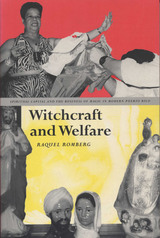
Persecuted as evil during colonial times, considered charlatans during the nation-building era, Puerto Rican brujos (witch-healers) today have become spiritual entrepreneurs who advise their clients not only in consultation with the spirits but also in compliance with state laws and new economic opportunities. Combining trance, dance, magic, and healing practices with expertise in the workings of the modern welfare state, they help lawyers win custody suits, sick employees resolve labor disability claims, single mothers apply for government housing, or corporation managers maximize their commercial skills.
Drawing on extensive fieldwork among practicing brujos, this book presents a masterful history and ethnography of Puerto Rican brujería (witch-healing). Raquel Romberg explores how brujería emerged from a blending of popular Catholicism, Afro-Latin religions, French Spiritism, and folk Protestantism and also looks at how it has adapted to changes in state policies and responded to global flows of ideas and commodities. She demonstrates that, far from being an exotic or marginal practice in the modern world, brujería has become an invisible yet active partner of consumerism and welfare capitalism.
READERS
Browse our collection.
PUBLISHERS
See BiblioVault's publisher services.
STUDENT SERVICES
Files for college accessibility offices.
RECENTLY PUBLISHED


UChicago Accessibility Resources
home | accessibility | search | about | contact us
BiblioVault ® 2001 - 2026
The University of Chicago Press