
 A SCHOLARLY BOOK REPOSITORY
Walk into any nursery, florist, or supermarket, and you’ll encounter displays of dozens of gorgeous flowers, from chrysanthemums to orchids. At one time these fanciful blooms were the rare trophies of the rich and influential—even the carnation, today thought of as one of the humblest cut flowers. Every blossom we take for granted now is the product of painstaking and imaginative planning, breeding, horticultural ingenuity, and sometimes chance. The personalities of the breeders, from an Indiana farmer to Admiral Lord Gambier’s gardener, were as various and compelling as the beauty they conjured from skilled hybridization.
In Visions of Loveliness: Great Flower Breeders of the Past, Judith Taylor wrote engagingly about the vivid history and characters behind eighteen types of popular flowers. In this companion volume she uncovers information about another eight familiar flowers: poinsettias, chrysanthemums, gladioli, pansies, carnations, water lilies, clematis, and penstemons.
Taylor has tapped into an enormous trove of stories about extraordinary people with vision and skill who added to our enjoyment piece by piece, starting about 150 years ago. This beautifully illustrated book will please flower enthusiasts, gardeners, and history buffs alike.
A nineteenth-century entrepreneur’s bold, innovative marketing helped transform flower gardens into one of America’s favorite hobbies.
“There is much that is hard and productive of sorrow in this sin-plagued world of ours; and, had we no flowers, I believe existence would be hard to be borne.” So states a customer’s 1881 letter—one of thousands James Vick regularly received. Vick’s business, selling flower seeds through the mail, wasn’t unique, but it was wildly successful because he understood better than his rivals how to engage customers’ emotions. He sold the love of flowers along with the flower seeds.
Vick was genuinely passionate about floriculture, but he also pioneered what we now describe as integrated marketing. He spent a mind-boggling $100,000 per year on advertising (mostly to women, his target demographic); he courted newspaper editors for free publicity; his educational guides presaged today’s content marketing; he recruited social influencers to popularize neighborhood gardening clubs; and he developed a visually rich communication and branding strategy to build customer loyalty and inflect their purchasing needs with purchasing desire.
The Book of Orchids revels in the diversity and oddity of these beguiling plants. Six hundred of the world’s most intriguing orchids are displayed, along with life-size photographs that capture botanical detail, as well as information about distribution, peak flowering period, and each species’ unique attributes, both natural and cultural. With over 28,000 known species—and more being discovered each year—the orchid family is arguably the largest and most geographically widespread of the flowering plant families. Including the most up-to-date science and accessibly written by botanists Mark Chase, Maarten Christenhusz, and Tom Mirenda, each entry in The Book of Orchids will entice researchers and orchid enthusiasts alike.
With stunning full-color images, The Book of Orchids is sure to become the go-to reference for these complex, alluring, and extraordinarily adaptable plants.
Bulb gardening in the southwestern and southern United States presents challenges unknown in cooler climates. Bulbs that turn Holland into a kaleidoscope of color droop and fade in our mild winters, hot summers, and uncertain rainfall. Yet hundreds of native and naturalized species of bulbs thrive in these same conditions and offer as many colors, shapes, and fragrances as even the most demanding gardener desires. These are the bulbs that Thad Howard describes in this comprehensive guide to bulbs that will grow in USDA gardening zones 8 and 9.
Writing from more than forty-five years' experience in collecting and cultivating bulbs, Howard offers expert advice about hundreds of little-known, hybrid, and common species and varieties that grow well in warm climates. His species accounts, which are grouped by family, describe each plant and its growing requirements and often include interesting stories from his collecting expeditions. Lovely color photos illustrate many of the species.
Howard also gives reliable information about refrigerating bulbs, using them in the landscape and in containers, choosing scented ones, making potpourri, buying, collecting, cultivating, and hybridizing bulbs, and dealing with pests and diseases. He concludes with lists of plant societies and suppliers and a helpful glossary and bibliography.
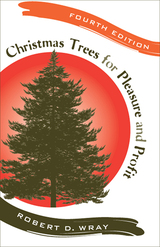
A perennial bestseller, this illustrated guide covers selecting land, choosing species, planting, harvesting, and managing a plantation. Wray provides guidance for choosing species suitable for the grower's situation, where and how to get planting stock, and how to care for it. The planting process is described in detail, including both hand and machine methods. The book presents useful techniques for protecting the growing trees from weeds, animals, fire, insects, and disease, and offers a full description of shearing or shaping trees to improve their form and densityùkeys to a successful crop.
As the grower's job is not done until the trees are sold, issues of grading, harvesting, advertising, and marketing are examined. A chapter on finances deals with costs, profits, and taxes. From novice to experienced grower, there is something in this book for everyone.
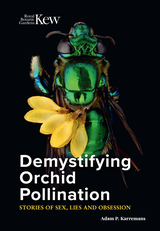
Demystifying Orchid Pollination explores the fascinating history of orchids and the means by which they reproduce. Adam P. Karremans reveals orchids’ hidden secrets, highlights the key role of pollinators in securing the survival of these delicate plants, and provides past and present scientific knowledge that challenges common beliefs about orchid reproduction. Demystifying Orchid Pollination celebrates biodiversity while stressing the importance of further ecological study and advocating for increased conservation efforts and thorough research and development.
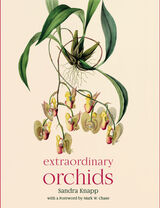
Orchids deserve such a visual celebration: parts of the orchid flower have shapes unlike any other flowering plant, and the sheer number of species means they have a seemingly endless ability to create ever more fantastical forms. In fact, many orchid common names refer to the shape-shifting forms of their flowers—the “man-orchids” or “monkey-orchids” are so called because of their resemblance to the primate form. Orchids lend themselves to depiction, and botanical artworks of them abound. Who could resist painting or drawing such odd shapes?
Illustrated with stunning artwork, much from the archives of the Natural History Museum in London and never before published, Extraordinary Orchids includes depictions from celebrated botanical artists such as Ferdinand and Franz Bauer, Arthur Harry Church, and Sydney Parkinson, revealing the weird and wonderful lives of this most diverse of plant families.
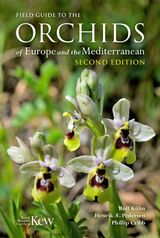
Field Guide to the Orchids of Europe and the Mediterranean: Second Edition is a comprehensive photographic guide to the orchids of the region written by leading experts, who between them have decades of orchid field and research experience. The book covers orchids from Europe and the Mediterranean, extending to Turkey and the immediate near east of North Africa and Macaronesia.
Many guides to orchids of this region exist, but in this completely revised second edition, the authors have drawn on the latest scientific research to bring clarity to orchid identification and names, with an emphasis on the natural variability that exists in many wild species. This edition incorporates the latest updates in taxonomy. With over 2000 color photographs and new images, the book provides the reader with an accessible and easy-to-use identification guide to the natural variability seen in these orchids.
The book covers thirty genera and their species including Ophrys, Cypripedium, Orchis, Dactylorhiza, Epipactis, and Serapias, as well as seventy natural hybrids. Much of the confusion over identification is due to the morphological variation a species can have within a habitat and across its distribution, and therefore to simplify identification, several images accompany each species to illustrate this diversity, along with notes on distinguishing features and distribution maps. Each species is also accompanied by common names and important synonyms, as well as notes on habitat, flowering times, and distinguishing features.

Situated in the North Atlantic off the coast of northwestern Africa, the Canary Islands are a volcanic archipelago, comprising seven large and several smaller islands. The region attracts millions of visitors every year, with an abundance of ecotourists drawn by its famously rich flora. This book presents previously inaccessible information on the islands through the collaboration of British scientists and local experts.
This long-awaited field guide covers more than two thousand of the region’s exceptionally diverse and important plants, from the most common species to local endemics. Illustrated throughout with color photographs, each species profile includes nomenclature, description, dimensions, habitat, flowering times, and distribution.
With comprehensive, up-to-date coverage sorted by habitat, this is the essential guide for students, professional botanists, scientists, gardeners, and plant enthusiasts alike.
The Western Alps, a large region of dramatic scenery and varied habitats, is noted for its biodiversity and beauty. From woodlands and forests, through colorful hay meadows, to the higher alpine elevations, the region boasts one of the most diverse and colorful mountain floras found anywhere on earth. This book is a celebration of the great biological diversity found in one of the most beautiful and inviting regions of Europe.
This comprehensive guide features the fascinating flora to be found across the region in the French Alps, the Massif Central and Cevennes, the Swiss Jura Mountains and the Italian Alps east to Como and Bergamo. Illustrated throughout with over 2000 photographs, each species profile includes nomenclature, description, dimensions, habitat, flowering times, and distribution.
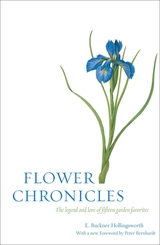
A tremendously entertaining and charming book, not only for its richness of information but because Hollingsworth clearly enjoys her material, Flower Chronicles has an antiquarian feel about it-with line drawings, woodcuts, and translations from the Greek—but the text never feels dated. Out of print for nearly thirty years, Flower Chronicles reemerges as a garden literature classic.
"With humor and literary taste, Mrs. Hollingworth has compiled an astonishing amount of scholarly yet entertaining material from her studies in archaeology and mythology and her researches in ancient pharmacopeias, botanies, cookbooks, herbals, and stillroom books."-New Yorker
"Mrs. Hollingsworth writes gaily and quotes from old books, with a wonderful taste for the curious English of Elizabethan gardeners, and sharp notice of what poets and translators of talent have set down. To this she has added the excitement of discovery of forms not noticed by her predecessors."-New York Herald Tribune Book Review

Is it 4 AM or chicory o’clock? In this short book, botanist and award-winning author Sandra Knapp walks us through a day in a global garden. Each chapter of Flower Day introduces a single flower during a single hour, highlighting twenty-four different species from around the world.
Beginning at midnight in the Americas, we spot the long tubular flowers of the moonflower, Ipomoea alba; they attract a frenzy of hawk moths before the dawn arrives and the flowers wither and collapse. As day breaks, dandelions and chicory open their heads—actually made up of many individual flowers tightly packed together—and flies and bees visit to get the energy they need to lay eggs and raise their young. Later, at eight o’clock in the morning, the sun rises over the watery Amazon basin, and we meet the giant waterlily, slowly turning from white to pink and purple. Trapped inside are the beetles who feasted on the flowers during the night. That evening, at seven o’clock, we travel to the Caribbean to smell night-blooming jessamine’s powerful—some may say nauseating—sweet scent. But this member of the nightshade family isn’t just a thing of beauty—it has a reputation as both a poison and invasive species, crowding out endangered native trees.
For each hour in our flower day, celebrated artist Katie Scott has depicted these scenes with gorgeous pen-and-ink illustrations. Working closely together to narrate and illustrate these unique moments in time, Knapp and Scott have created an engaging read that is a perfect way to spend an hour or two—and a true gift for amateur botanists, gardeners, and anyone who wants to stop and appreciate the flowers.
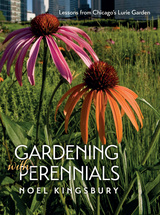
With Gardening with Perennials horticulturalist and garden writer Noel Kingsbury brings a global perspective to the Lurie oasis through a wonderful introduction to the world of perennial gardening. He shows how perennials have much to offer home gardeners, from sustainability—perennials require less water than their annual counterparts—to continuity, as perennials’ longevity makes them a dependable staple.
Kingsbury also explains why Lurie is a perfect case study for gardeners of all locales. The plants represented in this urban oasis were chosen specifically for reliability and longevity. The majority will thrive on a wide range of soils and across a wide climatic range. These plants also can thrive with minimal irrigation, and without fertilizers or chemical control of pests and diseases. Including a special emphasis on plants that flourish in sun, and featuring many species native to the Midwest region, Gardening with Perennials will inspire gardeners around the world to try Chicago-style sustainable gardening.
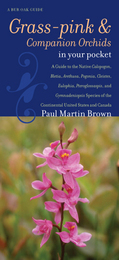
Brown provides general distributional information, time of flowering, and habitat requirements for each species as well as a complete list of hybrids and the many different growth and color forms that can make identifying orchids so intriguing. For the grass-pinks and companions he includes information on 16 species, 2 additional varieties, and 7 hybrids.
Grass-pinks, with their showy pink to white flowers, are some of the most conspicuous wild orchids encountered in the prairies, bogs, and open wetlands of eastern North America. Most of these species are easy to identify based upon their general appearance, range, and time of flowering. Answering three simple questions—when, where, and how does it grow?—and comparing the living plant with the striking photos in the backpack-friendly laminated guide should enable both professional and amateur naturalists to achieve the satisfaction of identifying a specific orchid.
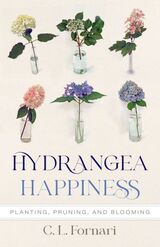
A comprehensive, easy-to-use, illustrated guide to hydrangeas for novice gardeners and experienced horticulturists.
With large, long-lasting flowers that range from showy pinks to heartbreaking shades of blue, hydrangeas are captivating, popular plants. Yet gardeners often find themselves flummoxed by the challenge of understanding and growing the many varieties of these shrubs.
Writer, radio host, and gardening consultant C. L. Fornari (also known as The Garden Lady) simplifies the cultivation and care of the six most popular species of hydrangeas in this practical, clear, and accessible guide. Hydrangea Happiness explains the difference between varietals and tells how and where they can successfully grow in assorted soils and conditions throughout the United States. In addition to sharing essential information, Fornari addresses myths and misinformation and fields questions about cultivating these popular plants. Punctuated with catchy rhymes and beautiful photographs, this book makes the road to Hydrangea Happiness easy, successful, and fun.
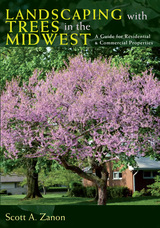
Trees not only add beauty and value to property but also enhance the physical environment by providing shade, reflecting heat, and blocking wind. Choosing the right trees for the right location and conditions, however, is not always easy: each species has its own requirements for sunlight, water, drainage, and protection.
Landscaping with Trees in the Midwest: A Guide for Residential and Commercial Properties describes sixty-five desirable tree species, their characteristics, and their uses. More than 325 color photographs illustrate the appearance of each species through the seasons—including height, shape, bark, flowers, and fall colors—as well as other factors that influence selection and siting in order to help the landscape professional or homeowner make informed choices.
This guidebook also considers trees as a factor in overall environmental health and gives special consideration to the effects of the emerald ash borer, which continues to wreak havoc in wooded areas of the Midwest, offering replacement alternatives for vulnerable areas. In addition to the text and photos, the book includes a table of growth rates and sizes, a map of hardiness zones, and other valuable reference tools.

“A few garden writers offer prose that goes beyond how to spade and spray to convey the experience and pleasures of gardening. The late Elizabeth Lawrence was such a writer.”—Southern Living
“First published in 1957 and out-of-print for many years, this is a delightfully written and enormously informative introduction to the fascinating variety of little bulbs available to the gardener. The author discusses a wide variety of plants, both familiar and little-known, including crocuses, species daffodils, hardy cyclamen and lily-family members such as Brodiaea, Bessera, and Calochortus.”—American Horticulturist
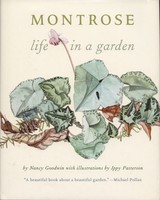
Beautifully written and illustrated, Montrose: Life in a Garden is Goodwin’s affectionate biography of her gardens, recounting how and why each section was developed over the years, including the Dianthus Walk, Nandinaland, Hellebore Slope, Mother-in-Law Walk, Snowdrop Woods, and Jo’s Bed. It is also a meticulous month-by-month chronicle of a specific year in these gardens—a year that saw a punishing drought that threatened Goodwin’s no-irrigation policy, a damaging December ice storm, and the beginnings of a plan to preserve Montrose in the future.
Working on her knees for long days throughout the year, Nancy Goodwin always has a vision of how her gardens will appear in twelve months or in twelve years. She will spend weeks, for instance, planting hundreds of snow drops along a woodsy path in order to enjoy a fleeting week of exquisite beauty in coming years. She never puts anything into the ground without imagining what form, color, and texture it will add to a bed. With tireless patience and unflagging optimism, Goodwin will wait years to see a single plant bloom.
Following Goodwin’s activities throughout the year, readers will learn the fundamentals of maintaining a four-season garden in Zone 7 in the South. Award-winning garden illustrator Ippy Patterson has provided more than 160 lavish illustrations of the gardens at Montrose and these meticulously detailed drawings appear throughout the book.

More than just a useful guide to Nashville’s flora, Nashville Native Orchids is a reminder of the risk that unbridled urban development can pose to the delicate natural ecosystem. Throughout the book, Parr shows the local effects of climate change on Nashville’s native orchid population and advocates for a more sustainable approach to development. Beyond the environmental dimensions, this book presents an illuminating discussion of the historical significance of orchids and their central role in folkloric traditions.
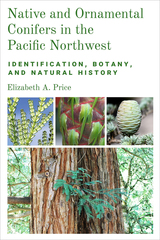
Based on her experiences teaching workshops on conifer identification and cultivation, Elizabeth Price has developed Jargon-free photographic charts, which allow for side-by-side comparison of conifer features and guide the reader to species identification. The charts are detailed enough for specialists yet accessible to amateurs.
The book includes extensive material on the characteristics, botany, and natural history of conifer plant families, genera, and species, all illustrated with original photographs. Research across many disciplines is blended with direct observation and personal experience, creating a book that goes beyond identification and is both rigorous and engaging.
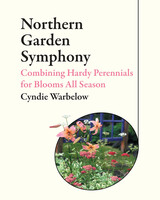
Using narrative, figures, photographs, and a groundbreaking set of layout charts that can aid even the most experienced horticulturist in the process of flower garden planning, Northern Garden Symphony gives gardeners the tools they need to be a successful northern perennial gardener.
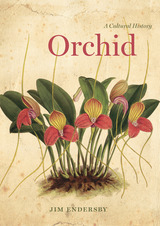
Following the stories of orchids throughout history, Jim Endersby divides our attraction to them into four key themes: science, empire, sex, and death. When it comes to empire, for instance, orchids are a prime example of the exotic riches sought by Europeans as they shaped their plans for colonization. He also reveals how Charles Darwin’s theory of evolution became intimately entangled with the story of the orchid as he investigated their methods of cross-pollination. As he shows, orchids—perhaps because of their extraordinarily diverse colors, shapes, and sizes—have also bloomed repeatedly in films, novels, plays, and poems, from Shakespeare to science fiction, from thrillers to elaborate modernist novels.
Featuring many gorgeous illustrations from the collection of the Royal Botanic Gardens, Kew, Orchid: A Cultural History tells, for the first time, the extraordinary story of orchids and our prolific interest in them. It is an enchanting tale not only for gardeners and plant collectors, but anyone curious about the flower’s obsessive hold on the imagination in history, cinema, literature, and more.
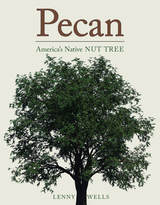
From the first written record of it made by the Spaniard Cabeza de Vaca in 1528 to its nineteenth-century domestication and its current development into a multimillion dollar crop, the pecan tree has been broadly appreciated for its nutritious nuts and its beautiful wood. In Pecan: America’s Native Nut Tree, Lenny Wells explores the rich and fascinating story of one of North America’s few native crops, long an iconic staple of southern foods and landscapes.
Fueled largely by a booming international interest in the pecan, new discoveries about the remarkable health benefits of the nut, and a renewed enthusiasm for the crop in the United States, the pecan is currently experiencing a renaissance with the revitalization of America’s pecan industry. The crop’s transformation into a vital component of the US agricultural economy has taken many surprising and serendipitous twists along the way. Following the ravages of cotton farming, the pecan tree and its orchard ecosystem helped to heal the rural southern landscape. Today, pecan production offers a unique form of agriculture that can enhance biodiversity and protect the soil in a sustainable and productive manner.
Among the many colorful anecdotes that make the book fascinating reading are the story of André Pénicaut’s introduction of the pecan to Europe, the development of a Latin name based on historical descriptions of the same plant over time, the use of explosives in planting orchard trees, the accidental discovery of zinc as an important micronutrient, and the birth of “kudzu clubs” in the 1940s promoting the weed as a cover crop in pecan orchards.
**Published in cooperation with the Samuel Roberts Noble Foundation, Ellis Brothers Pecan, Inc., and The Mason Pecans Group**
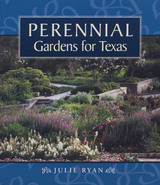
A perennial garden is an ever-changing source of delight. Each season brings new colors and textures in flowers and foliage. As the years go by, perennial plantings mature and interweave into forms more beautiful and surprising than a season's growth of annuals can ever give. Best of all, a perennial garden can grow almost anywhere with plants suited to local soils, temperatures, and rainfall.
This book is a complete guide to perennial gardening in Texas and similar regions of eastern New Mexico, Oklahoma, Arkansas, Louisiana, Mississippi, Alabama, Georgia, Florida, and the Carolinas. In Part One, Julie Ryan offers a historical sketch of cottage gardens and perennial borders, with a sampler of some of their modern variations. In Part Two, she defines the major ecological regions of Texas and, with words and color photographs, takes you on a tour of lovely public and private gardens in each region.
You'll find all the "how to" information for creating your own garden in Part Three. Ms. Ryan describes and pictures over 300 flowering perennials, bulbs, foliage plants, and old roses suitable for Texas gardens, with lists of companion annuals, vines, shrubs, and small trees. Accompanying charts provide quick reference to each plant's preferred regions and cultivation requirements. In addition, Ms. Ryan discusses how to design a garden and select plants, prepare the beds, and deal with garden pests. She concludes with substantial lists of resources, including mail-order suppliers of perennials, bulbs, and old roses.
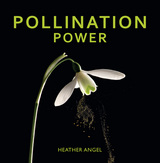
In stunning full-color images, employing the latest photographic techniques, esteemed photographer Heather Angel has captures the intimate interactions of plants with their floral pollinators. The plants come not only from Angel’s Surrey backyard and the Royal Botanic Garden at Kew, but from twenty countries where Angel has travelled—from the rich floral kingdoms of the Cape of South Africa to the diversity of China and the Americas. The photos illustrate the varied techniques that flowers use to communicate with their pollinators. Some, for example, change color when the flower no longer has rewards to offer. Others control precisely when pollinators enter or leave by timing when they open and close their petals or when they emit a scent. This fascinating array of pollination repertoires crossfertilizes Angel’s photos with a descriptive text.
Featuring both common and exotic plants and temperate and tropical floral, Pollination Power will entice anyone with a passion for botanicals, from gardeners to botanists alike.
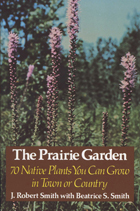
Prairie plants are among the toughest of all ornamentals. While they fascinate gardeners with their beauty and versatility, they require little maintenance. They are highly resistant to insect and disease damage, and they need not be replanted every year.
In recent years, the idea of growing prairie plants has gained increasing appeal among gardeners. Bob and Beatrice Smith have prepared this practical growing guide—based on their more than fourteen years of experience and experimentation—for all people who wish to grow prairie plants. The Smiths, who have grown all the plants they discuss here, share their wealth of experience with the reader. They recommend the best sites, tell how to plan and prepare the site and how to treat and plant seeds, and share important tips on propagation, transplanting, and managing the prairie garden or landscape. To aid in both planning and identification, the book includes full-color illustrations of all seventy plants.
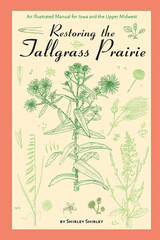
Iowa is the only state that lies entirely within the natural region of the tallgrass prairie. Early documents indicate that 95 percent of the state—close to 30 million acres—was covered by prairie vegetation at the time of Euro-American settlement. By 1930 the prairie sod had been almost totally converted to cropland; only about 30,000 acres of the original “great green sea” remained. Now, in this gracefully illustrated manual, Shirley Shirley has created a step-by-step guide to reconstructing the natural landscape of Iowa and the Upper Midwest.
Chapters on planning, obtaining and selecting plants and seeds, starting seeds indoors, preparing the site, planting, and maintenance set the stage for comprehensive species accounts. Shirley gives firsthand information on soil, moisture, sun, and pH requirements; location, size, and structure; blooming time and color; and propagation, germination, and harvesting for more than a hundred wildflowers and grasses.
Shirley's sketches—all drawn from native plants and from seedlings that she grew herself—will be valuable for even the most experienced gardener. While other books typically feature only the flowering plant, her careful drawings show the three stages of the seedlings, the flower, and the seedhead with seeds as well as the entire plant. This practical and attractive volume will help anyone dedicated to reconstructing the lost “emerald growth” of the historic tallgrass prairie.
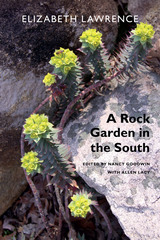
Lawrence, in her usual exquisite prose, deals with the full range of rock gardening topics in this work. She addresses the unique problem of cultivating rock gardens in the South, where the growing season is prolonged and humidity and heat are not conducive to such planting. She describes her own experiences in making a rock garden, with excellent advice on placing stones, constructing steps, ordering plants, and making cuttings.
At the same time, what she writes about here is in large part of interest to gardeners everywhere and for gardens with or without rocks. As always, she thoroughly discusses the plants she has tried—recommending bulbs and other perennials of all sorts, annuals, and woody plants—with poetic descriptions of the plants themselves as well as specific and useful cultural advice. A Rock Garden in the South includes an encyclopedia of plants alphabetized by genus and species and divided into two parts: wood and non-woody plants.
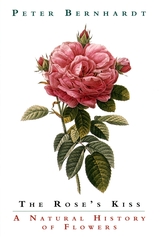
In The Rose's Kiss, Peter Bernhardt presents a fascinating and wide-ranging look at the natural history of flowers—how they look, what they do, and their often hidden interactions with the surrounding environment and other living organisms upon which they depend for their survival. You'll discover why flowers are so colorful, how they evolved, and how insects exploit them for their nectar. This is a book for all flower lovers, from naturalists and gardeners to poets and botanists.
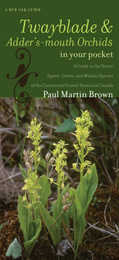
Brown provides general distributional information, time of flowering, and habitat requirements for each species as well as a complete list of hybrids and the many different growth and color forms that can make identifying orchids so intriguing. For the twayblades and adder’s-mouths he includes information on 21 species, 1 additional variety, and 2 hybrids.
Most twayblades and adder’s-mouths are relatively small plants with tiny green flowers, but a few have richly colored blooms or particularly interesting habits that attract the native orchid enthusiast. Most of these species are easy to identify based upon their general appearance, range, and time of flowering. Answering three simple questions—when, where, and how does it grow?—and comparing the living plant with the striking photos in the backpack-friendly laminated guide should enable both professional and amateur naturalists to achieve the satisfaction of identifying a specific orchid.

Vascular Plants of Minnesota was first published in 1991. Minnesota Archive Editions uses digital technology to make long-unavailable books once again accessible, and are published unaltered from the original University of Minnesota Press editions.
A definitive reference to the 2,010 vascular plant species (ferns, conifers, and flowering plants) currently found in Minnesota. The maps of he Atlas section show the geographic distribution of each plant, allowing the reader to visualize—for the first time—exactly where a species occurs in the state. Historical plant collections as well as records from detailed surveys conducted in the 1970s and 1980s by the Minnesota DNR, The Nature Conservancy, and individual researchers are included in this volume.
The flora of Minnesota is of special interest because it represents the western limits of the vast eastern deciduous forest flora, the northern and eastern boundaries of the flora of the prairies and great plains, and the southwestern limits of the northern coniferous forest. These three contrasting continental floras meet more sharply in Minnesota than in other regions.
The Checklist section provides both an authoritative summary of the nomenclature of Minnesota plants and extensive references to taxonomic literature. As such, it is the most complete list ever prepared for the entire state. Arranged alphabetically, group within group, the Checklist provides both Latin and common names for all species, subspecies, and varieties.
Gerald B. Ownbey is an emeritus professor in the Department of Plant Biology at the University of Minnesota, Twin Cities. As the curator of the University Herbarium for more than thirty years, he developed its collection of almost 750,000 specimens to make it the largest in the Midwest. Professor Ownbey is the author of Common Wild Flowers of Minnesota (University of Minnesota Press, 1971).
Thomas Morley is also an emeritus professor in the Department of Plant Biology at the University of Minnesota, Twin Cities. In addition to introducing hundreds of students to Minnesota flora in his popular course "Minnesota Plant Life," he is widely recognized for his pioneering efforts to protect remnants of Minnesota's native habitats. Professor Morley is the author of Spring Flora in Minnesota (University of Minnesota Press, 1966).
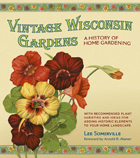
The Wisconsin State Horticultural Society, established during the mid-nineteenth century, was the primary source of advice for home gardeners. Through carefully selected excerpts from WSHS articles, Somerville shares the excitement of these gardeners as they traded cultivation and design knowledge and explored the possibilities of their avocation. Women were frequent presenters at the WSHS annual meetings, and their voices resonate. Their writings, and those of their male colleagues, are a remarkable legacy we can draw on today—learning how Wisconsinites past created and enjoyed their gardens helps us appreciate our own. Filled with period and contemporary images, recommended plant lists, and garden layouts, Vintage Wisconsin Gardens will interest those curious about the history of the state’s cultural landscape and inspire readers to restore or reconstruct period gardens.
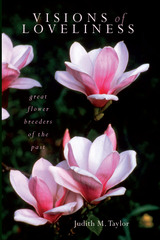
Gardeners of today take for granted the many varieties of geraniums, narcissi, marigolds, roses, and other beloved flowers for their gardens. Few give any thought at all to how this incredible abundance came to be or to the people who spent a good part of their lives creating it. These breeders once had prosperous businesses and were important figures in their communities but are only memories now. They also could be cranky and quirky.
In the eighteenth and nineteenth centuries, new and exotic species were arriving in Europe and the United States from all over the world, and these plants often captured the imaginations of the unlikeliest of men, from aristocratic collectors to gruff gardeners who hardly thought of themselves as artists. But whatever their backgrounds, they all shared a quality of mind that led them to ask “What if?” and to use their imagination and skills to answer that question themselves. The newest rose from China was small and light pink, but what if it were larger and came in more colors? Lilac was very nice in its way, but what if its blossoms were double and frilly?
While there are many books about plant collectors and explorers, there are none about plant breeders. Drawing from libraries, archives, and the recollections of family members, horticultural historian Judith M. Taylor traces the lives of prominent cultivators in the context of the scientific discoveries and changing tastes of their times. Visions of Loveliness is international in scope, profiling plant breeders from many countries—for example, China and the former East Germany—whose work may be unknown to the Anglophone reader.
In addition to chronicling the lives of breeders, the author also includes chapters on the history behind the plants by genus, from shrubs and flowering trees to herbaceous plants.
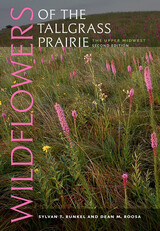
This classic of midwestern natural history is back in print with a new format and new photographs. Originally published in 1989, Wildflowers of the Tallgrass Prairie introduced many naturalists to the beauty and diversity of the native plants of the huge grasslands that once stretched from Manitoba to Texas. Now redesigned with updated names and all-new photographs, this reliable field companion will introduce tallgrass prairie wildflowers to a new generation of outdoor enthusiasts in the Upper Midwest.
Each species account is accompanied by a brilliant full-page color photograph by botanist Thomas Rosburg. In clear, straightforward, and accessible prose, authors Sylvan Runkel and Dean Roosa provide common, scientific, and family names; the Latin or Greek meaning of the scientific names; habitat and blooming times; and a complete description of plant, flower, and fruit. Particularly interesting is the information on the many ways in which Native Americans and early pioneers used these plants for everything from pain relief to dyes to hairbrushes.
Runkel and Roosa say that prairies can be among the most peaceful places on earth; certainly they are among the most beleaguered. Wildflowers of the Tallgrass Prairie will inspire both amateurs and professionals with the desire to learn more about the wonders of the prairie landscape.
READERS
Browse our collection.
PUBLISHERS
See BiblioVault's publisher services.
STUDENT SERVICES
Files for college accessibility offices.
RECENTLY PUBLISHED



UChicago Accessibility Resources
home | accessibility | search | about | contact us
BiblioVault ® 2001 - 2026
The University of Chicago Press