front cover of Photographic Field Guide of Common Grasses of Madagascar
Photographic Field Guide of Common Grasses of Madagascar
Nantenaina Rakotomalala, Fenrita Randrianarimanana, and Rafael Felipe de Almeida
Royal Botanic Gardens, Kew, 2025

An easy-to-use bilingual field guide in English and Malagasy on the grasses of Madagascar. 

Field Guide to the Grasses of Madagascar is the first photographic compilation of information on Madagascar’s Poaceae, featuring around half of the known grass species on the island. Compiled by a team of Malagasy and international botanists led by the Royal Botanic Gardens, Kew, Kew Madagascar, and partner institutions, it consolidates expert-generated and expert-verified information in Malagasy and English.

This book contains information on 269 species of grasses, with a general introduction and an index to Malagasy common names in addition to Latin names. The book also provides a critical foundation to the ongoing work of assessing the current biodiversity, distribution, uses, and evolution of the island’s grass flora. 

[more]

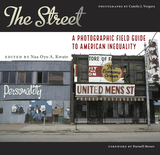
front cover of The Street
The Street
A Photographic Field Guide to American Inequality
Naa Oyo A. Kwate
Rutgers University Press, 2021
Vacant lots. Historic buildings overgrown with weeds. Walls and alleyways covered with graffiti. These are sights associated with countless inner-city neighborhoods in America, and yet many viewers have trouble getting beyond the surface of such images, whether they are denigrating them as signs of a dangerous ghetto or romanticizing them as traits of a beautiful ruined landscape. The Street: A Field Guide to Inequality provides readers with the critical tools they need to go beyond such superficial interpretations of urban decay. 
 
Using MacArthur fellow Camilo José Vergara’s intimate street photographs of Camden, New Jersey as reference points, the essays in this collection analyze these images within the context of troubled histories and misguided policies that have exacerbated racial and economic inequalities. Rather than blaming Camden’s residents for the blighted urban landscape, the multidisciplinary array of scholars contributing to this guide reveal the oppressive structures and institutional failures that have led the city to this condition. Tackling topics such as race and law enforcement, gentrification, food deserts, urban aesthetics, credit markets, health care, childcare, and schooling, the contributors challenge conventional thinking about what we should observe when looking at neighborhoods.
[more]


Send via email Share on Facebook Share on Twitter