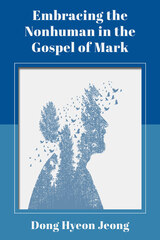
front cover of Embracing the Nonhuman in the Gospel of Mark
Embracing the Nonhuman in the Gospel of Mark
Dong Hyeon Jeong
SBL Press, 2023
In Embracing the Nonhuman in the Gospel of Mark, Dong Hyeon Jeong approaches the Gospel of Mark through the lens of nonhuman studies with an eye toward ecological consciousness. Drawing on the fields of nonhuman studies and postcolonial ecocriticism, Jeong disrupts nthropocentric readings of Mark by engaging animality, vegetality, and animacy theories in light of (colonized) ethnicity. His intersectional reading of Mark highlights the importance of engaging nonhuman biblical interpretation while being sensitive to the issue of racism arising from animalizing the other. By doing so, this book reimagines the Markan Jesus as the colonized messiah who embraces the nonhuman. Jeong encourages readers to consider the interconnectedness of humans, animals, and the environment, while also addressing issues of power, oppression, and marginalization.
[more]


front cover of Plant Metaphors in Prophetic Condemnations of Israel and Judah
Plant Metaphors in Prophetic Condemnations of Israel and Judah
Tina M. Sherman
SBL Press, 2023

Tina M. Sherman offers a first-of-its-kind, detailed analysis of prophetic passages that depict people as plants—from grasses and grains to fruit trees and grapevines—examining how the biblical authors exploited these metaphors to portray the condemnation and punishment of Israel and Judah in terms of the everyday work of crop farming and plant husbandry. Additionally, she explores how the prophetic authors employed plant imagery to construct national identities that emphasize the people’s collective responsibility for the kingdoms’ fate. Plant Metaphors in Prophetic Condemnations of Israel and Judah demonstrates the usefulness of combining conceptual metaphor theory with aspects of frame semantics in the analysis of patterns of thought and expression in biblical metaphor.

[more]

front cover of Plant Metaphors in the Old Greek of Isaiah
Plant Metaphors in the Old Greek of Isaiah
Benjamin M. Austin
SBL Press, 2019

A thorough analysis of metaphor translation techniques used in Isaiah

In this study Benjamin M. Austin analyzes all the plant metaphors in Isaiah and classifies them according to the metaphor translation techniques used by the Septuagint translator. Austin illustrates how the translator took the context of each metaphor into account and demonstrates how the natural features of the plants under discussion at times influenced their translation. He argues that the translator tried to render metaphors vividly and with clarity, sometimes adjusting them to match the experience of his audience living in Egypt. Austin also examines metaphors in terms of their vehicles (the objects of comparison), so that the translation of similar metaphors can be compared.

Features

  • A comparison of the Masoretic Text to the Septuagint and Targum
  • A classification of metaphor translation strategies
  • An introduction to the Hellenistic and the Jewish conception of metaphors
[more]


Send via email Share on Facebook Share on Twitter