
 A SCHOLARLY BOOK REPOSITORY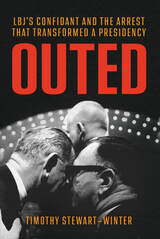
The story of the scandal in the LBJ administration that first brought queer life into the national political conversation in the 1960s.
In 1964, Lyndon B. Johnson’s longest-serving and most trusted advisor, Walter Jenkins, was arrested for soliciting sex in a YMCA bathroom near the White House. The scandal blasted across the front pages of major US newspapers, was dissected and analyzed by the FBI, and became a watershed in making straight America aware of queer life. In Outed, historian Timothy Stewart-Winter reveals that the effects of antigay policing were felt not only by the men but by their colleagues, families, and, in this case, the First Family.
Walter Jenkins’s political banishment had long-ranging effects, from how Johnson conducted the remainder of his presidency to how media coverage of political and sexual scandals became more explicit and salacious. Stewart-Winter reveals Jenkins’s influence and legacy, encompassing but also looking beyond the scandal. Jenkins had a significant impact on Johnson’s career and how it is remembered, including both his signal accomplishment—the programs and laws that constituted the Great Society—and his signal failure: his catastrophic judgment, after Jenkins’s exile, regarding the Vietnam War.
Drawing on Jenkins’s previously unexamined personal papers, including hundreds of letters he received in the aftermath from ordinary Americans and government officials alike, Stewart-Winter shows how antigay policies and the revelations around them continue to reverberate today.
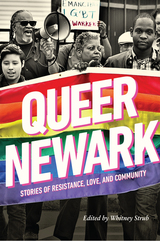
Histories of gay and lesbian urban life typically focus on major metropolitan areas like San Francisco and New York, opportunity-filled destinations for LGBTQ migrants from across the country. Yet there are many other queer communities in economically depressed cities with majority Black and Hispanic populations that receive far less attention. Though just a few miles from New York, Newark is one of these cities, and its queer histories have been neglected—until now.
Queer Newark charts a history in which working-class people of color are the central actors and in which violence, poverty, and homophobia could never suppress joy, resistance, love, and desire. Drawing from rare archives that range from oral histories to vice squad reports, this collection’s authors uncover the sites and people of Newark’s queer past in bars, discos, ballrooms, and churches. Exploring the intersections of class, race, gender, and sexuality, they offer fresh perspectives on the HIV/AIDS epidemic, community relations with police, Latinx immigration, and gentrification, while considering how to best tell the rich and complex stories of queer urban life. Queer Newark reveals a new side of New Jersey’s largest city while rewriting the history of LGBTQ life in America.
READERS
Browse our collection.
PUBLISHERS
See BiblioVault's publisher services.
STUDENT SERVICES
Files for college accessibility offices.
RECENTLY PUBLISHED




UChicago Accessibility Resources
home | accessibility | search | about | contact us
BiblioVault ® 2001 - 2026
The University of Chicago Press