
 A SCHOLARLY BOOK REPOSITORY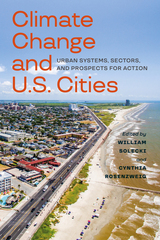
Prepared as a follow-up to the Fourth National Climate Assessment (NCA), Climate Change and U.S. Cities documents the current understanding of existing and future climate risk for U.S. cities, urban systems, and the residents that depend on them. Beginning with an examination of the existing science since 2012, chapters develop connections between existing and emerging climate risk, adaptation planning, and the role of networks and organizations in facilitating climate action in cities. From studies revealing disaster vulnerability among low-income populations to the development of key indicators for tracking climate change, this is an essential, foundational analysis. Importantly, the assessment puts a critical emphasis on the cross-cutting factors of economics, equity, and governance.
Urban stakeholders and decision makers will come away with a full picture of existing climate risks and a set of conclusions and recommendations for action. Many cities in the United States still have not yet planned for climate change and the costs of inaction are great. With bold analysis, Climate Change and U.S. Cities reveals the need for action and the tools that cities must harness to effect decisive, meaningful change.

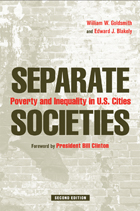
“Economic and political forces no longer combat poverty—they generate poverty!" exclaim William Goldsmith and Edward Blakely in their report on the plight of American's urban poor. In this revised and updated edition of their 1992 book Separate Societies,the authors present a compelling examination of the damaging divisions that isolate poor city minority residents from the middle-class suburban majority. They pay special attention to how the needs of the permanently poor have been unmet through the alternating years of promises and neglect, and propose a progressive turn away from 30 years of conservative policies.
Separate Societies vividly documents how the urban working class has been pushed out of industrial jobs through global economic restructuring, and how the Wall Street meltdown has aggravated underemployment, depleted public services, and sharpened racial and class inequalities.
The authors insist that the current U.S. approach puts Americans out of work and lowers the standard of living for all. As such, Goldsmith and Blakely urge the Obama administration to create better urban policy and foster better metropolitan management to effectively and efficiently promote equality.
READERS
Browse our collection.
PUBLISHERS
See BiblioVault's publisher services.
STUDENT SERVICES
Files for college accessibility offices.
RECENTLY PUBLISHED







UChicago Accessibility Resources
home | accessibility | search | about | contact us
BiblioVault ® 2001 - 2026
The University of Chicago Press