Results by title
1415 books match the query 'Medical' and 114 start with c
COVID Diagnosed the System
Lessons from the Pandemic in Massachusetts PrisonsBridget Conley
Rutgers University Press, 0
The American criminal justice system was in flux in 2020, a clash of possibilities for reform, retrenchment, and radical change—nowhere more so than in Massachusetts, which had just passed major criminal justice reform. The COVID-19 pandemic interrupted the moment with life-threatening force, ravaging people held in prisons and jails across the country. However, it did not so much create new deprivations and suffering as it exposed prisons as sites of physical, institutional, and psychological violence that do not make communities safer. At the same time, advocates for people in prisons—including many incarcerated and formerly incarcerated people—seized on the pandemic’s disruptions to demand change. Detailing the first year of the pandemic inside the Massachusetts state prison system, this book argues that the history of the pandemic inside prisons exposed both the cruelties of incarceration and the power of change when it is led by directly affected people.
COVID-19 and Public Health
Global Responses to the PandemicCaroline Kingori
Ohio University Press, 2024

CT Suite
The Work of Diagnosis in the Age of Noninvasive CuttingBarry F. Saunders
Duke University Press, 2008
Saunders’s analyses are informed by strands of cultural history and theory including art historical critiques of realist representation, Walter Benjamin’s concerns about violence in “mechanical reproduction,” and tropes of detective fiction such as intrigue, the case, and the culprit. Saunders analyzes the diagnostic “gaze” of medical personnel reading images at the viewbox, the two-dimensional images or slices of the human body rendered by the scanner, methods of archiving images, and the use of scans as pedagogical tools in clinical conferences. Bringing cloistered diagnostic practices into public view, he reveals the customs and the social and professional hierarchies that are formulated and negotiated around the weighty presence of the CT scanner. At the same time, by returning throughout to the nineteenth-century ideas of detection and scientific authority that inform contemporary medical diagnosis, Saunders highlights the specters of the past in what appears to be a preeminently modern machine.
Called to Care?
Health Care, Burnout, and the Search for Meaningful WorkCindy L. Cain
Rutgers University Press, 2026
Health care workers are burned out. Health care leaders know that workers are burned out but do not yet have the right tools to fix the problem. Called to Care? argues that we can mitigate burnout by examining what is most meaningful about health care work. Using interviews and observation of a wide range of health care workers, Cain shows that workers who care for our most vulnerable adults find their work to be meaningful when they are able to connect to the work and make progress on something that matters. In most cases, these meaningful experiences are also consistent with better care for patients. And yet organizational practices, policy environments, and cultural meanings get in the way of meaningful work, creating burnout. But it doesn’t have to be this way. Called to Care? illustrates that workplaces can and should align meaningful work experiences with quality care for patients.
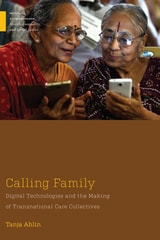
Calling Family
Digital Technologies and the Making of Transnational Care CollectivesTanja Ahlin
Rutgers University Press, 2023
This book is also freely available online as an open access digital edition. The open access publication was financially supported by the Social Science Research Master and partly also by the Health, Care and the Body Programme Group of the Department of Anthropology, both at the Amsterdam Institute of Social Science Research, University of Amsterdam.
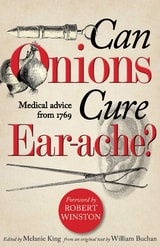
Can Onions Cure Ear-Ache?
Medical Advice from 1769William Buchan
Bodleian Library Publishing, 2012
Originally published in 1769, Domestic Medicine was produced for the benefit of those without access to—or means to afford—medical assistance, and copies of the book were found in apothecaries and coffee houses, private households and clubs. In 1797, Bounty mutineer Fletcher Christian and his crew even had the foresight to pack a copy before fleeing to the Pitcairns. Derived from folklore and the emerging medical science of the day, some of Buchan’s recommendations for how to live a healthy life still ring true: for instance, exercising, enjoying a varied diet, and getting an abundance of fresh air. Others are delightfully dodgy or even downright dangerous, such as genital trusses, the prescription of mercury, or the suggestion that Spanish fly might soothe aching joints.
Bringing together an exceedingly entertaining selection of entries from one of the earliest self-help books, Can Onions Cure Ear-ache? offers fascinating insight into the popular treatments of the time.
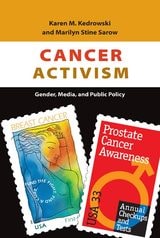
Cancer Activism
Gender, Media, and Public PolicyKaren M. Kedrowski and Marilyn Stine Sarow
University of Illinois Press, 2010
Cancer Activism explores the interplay between advocacy, the media, and public perception through an analysis of breast cancer and prostate cancer activist groups over a nearly twenty-year period. Despite both diseases having nearly identical mortality and morbidity rates, Karen M. Kedrowski and Marilyn Stine Sarow present evidence from more than 4,200 news articles to show that the different groups have had markedly different impacts. They trace the rise of each movement from its beginning and explore how discussions about the diseases appeared on media, public, and government agendas. In an important exception to the feminist tenet that women as a group hold less power than men, Kedrowski and Sarow demonstrate that the breast cancer movement is not only larger and better organized than the prostate cancer movement, it is also far more successful at shaping media coverage, public opinion, and government policy.
Cancer Entangled
Anticipation, Acceleration, and the Danish StateRikke Sand Andersen
Rutgers University Press, 2023
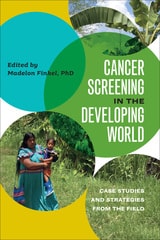
Cancer Screening in the Developing World
Case Studies and Strategies from the FieldEdited by Madelon L. Finkel
Dartmouth College Press, 2018
Cancer and the Politics of Care
Inequalities and Interventions in Global PerspectiveEdited by Linda Rae Bennett, Lenore Manderson, and Belinda Spagnoletti
University College London, 2023
Taking an ethnographic approach, the contributors to this book offer new examinations of cancer and its treatment to show how social, economic, race, gender, and other structural inequalities intersect, compound, and complicate health inequalities. Cancer experiences and impacts are explored across eleven countries: Argentina, Brazil, Denmark, France, Greece, India, Indonesia, Italy, Senegal, the United Kingdom, and the United States. The volume engages with specific cancers from the point of primary prevention to screening, diagnosis, treatment (or its absence), and end-of-life care. Cancer and the Politics of Care traverses new theoretical terrain by explicitly critiquing cancer interventions, their limitations and success, the politics that drive them, and their embeddedness in local cultures and value systems. Its diversity and innovation ensure its wide utility among those working in and studying medical anthropology, social anthropology, and other fields at the intersections of social science, medicine, and health equity.
Cancer on Trial
Oncology as a New Style of PracticePeter Keating and Alberto Cambrosio
University of Chicago Press, 2011
In Cancer on Trial Peter Keating and Alberto Cambrosio explore how practitioners established a new style of practice, at the center of which lies the cancer clinical trial. Far from mere testing devices, these trials have become full-fledged experiments that have redefined the practices of clinicians, statisticians, and biologists. Keating and Cambrosio investigate these trials and how they have changed since the 1960s, all the while demonstrating their significant impact on the progression of oncology. A novel look at the institution of clinical cancer research and therapy, this book will be warmly welcomed by historians, sociologists, and anthropologists of science and medicine, as well as clinicians and researchers in the cancer field.

Cannabis Consulting
Helping Patients, Parents, and Practitioners Understand Medical MarijuanaEzra Parzybok
University Press of New England, 2018
Capturing COVID
Media and the Pandemic in the Digital EraKatherine A. Foss
University of Massachusetts Press, 2025
When health authorities quarantined guests aboard the Diamond Princess on February 5, 2020, the cruise ship abruptly shifted from a dream vacation vessel to a public health nightmare. Over the next three weeks, 712 passengers tested positive for coronavirus, with fourteen deaths, and the ship outbreak quickly became the largest cluster of cases outside of China. Guests began to routinely share quarantine updates on social media, ranging from the quality of the ship’s food to their sense of imprisonment. These Facebook, Twitter, Instagram, YouTube, and TikTok accounts became a key source of information for news outlets like the Associated Press, and they helped to set the tone for how the media would cover and frame the pandemic for the next several years.
Unlike past outbreaks, epidemics, and pandemics, COVID-19 emerged in a 21st-century digital landscape of instant communication and abundant online platforms, with older models of news and entertainment media mingling with new types of citizen-produced content. In Capturing COVID, Katherine A. Foss makes sense of how this contemporary media landscape shaped the public’s knowledge and perceptions of the new pandemic. The book focuses on crucial media moments, including the initial reporting from Wuhan; news and social media content on the Diamond Princess quarantine; stories of inequality, stigma, and injustice; narratives of the vaccine rollout; and representations of pandemic life in popular culture. Drawing on press releases, interviews, websites, blogs, social media posts, and other publicly available materials, and guided by critical media analysis, Foss illuminates how this new digital era profoundly shaped the progression of the pandemic. This media landscape kept people informed and connected, but also led to the politicization of the virus, rampant mis/disinformation, and stigmatizing messaging that contributed to public distrust and division. Capturing COVID deftly helps make sense of the entire affair.
Cardiology
The Evolution of the Science and the ArtBing, Richard J.
Rutgers University Press, 1999
Care and Cure
An Introduction to Philosophy of MedicineJacob Stegenga
University of Chicago Press, 2018
The fourteen chapters in Care and Cure present and discuss conceptual, metaphysical, epistemological, and political questions that arise in medicine, buttressed with lively illustrative examples ranging from debates over the true nature of disease to the effectiveness of medical interventions and homeopathy. Poised to be the standard sourcebook for anyone seeking a comprehensive overview of the canonical concepts, current state, and cutting edge of this vital field, this concise introduction will be an indispensable resource for students and scholars of medicine and philosophy.
Care and Cure
An Introduction to Philosophy of MedicineJacob Stegenga
University of Chicago Press, 2018
The philosophy of medicine has become a vibrant and complex intellectual landscape, and Care and Cure is the first extended attempt to map it. In pursuing the interdependent aims of caring and curing, medicine relies on concepts, theories, inferences, and policies that are often complicated and controversial. Bringing much-needed clarity to the interplay of these diverse problems, Jacob Stegenga describes the core philosophical controversies underlying medicine in this unrivaled introduction to the field.
The fourteen chapters in Care and Cure present and discuss conceptual, metaphysical, epistemological, and political questions that arise in medicine, buttressed with lively illustrative examples ranging from debates over the true nature of disease to the effectiveness of medical interventions and homeopathy. Poised to be the standard sourcebook for anyone seeking a comprehensive overview of the canonical concepts, current state, and cutting edge of this vital field, this concise introduction will be an indispensable resource for students and scholars of medicine and philosophy.
Care of the Dying Patient
Edited by David A. Fleming & John C. Hagan III
University of Missouri Press, 2010
This collection encompasses diverse aspects of end-of-life care across multiple disciplines, offering a broad perspective on such central issues as control of pain and other symptoms, spirituality, the needs of caregivers, and special concerns regarding the elderly. In its pages, readers will find out how to:
- effectively utilize palliative-care services and activate timely referral to hospice,
- arrange for care that takes into account patients’ cultural beliefs, and
- respond to spiritual and psychological distress, including the loss of hope that often overshadows physical suffering.
While physicians have the ability to treat disease, they also help to determine the time and place of death, and they must recognize that end-of-life choices are made more complex than ever before by advances in medicine and at the same time increasingly important. Care of the Dying Patient addresses some of the challenges frequently confronted in terminal care and points the way toward a more compassionate way of death.
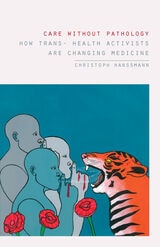
Care without Pathology
How Trans- Health Activists Are Changing MedicineChristoph Hanssmann
University of Minnesota Press, 2023
Examining trans- healthcare as a key site through which struggles for health and justice take shape
Over the past two decades, medical and therapeutic approaches to transgender patients have changed radically, from treating a supposed pathology to offering gender-affirming care. Based on ethnographic fieldwork in New York City and Buenos Aires, Care without Pathology moves across the Americas to show how trans- health activists have taken on the project of depathologization.
In New York, Christoph Hanssmann examines activist attempts to overturn bans on using public health dollars to fund trans- health care. In Argentina, he traces how trans- activists marshaled medical statistics and personal biographies to reveal state violence directed against trans- people and travestis. Hanssmann also demonstrates the importance of understanding transphobia in the broader context of gendered racism, ableism, and antipoverty, arguing for the rise of a thoroughly coalition-based mass mobilization.
Care without Pathology highlights the distributive arguments activists made to access state funding for health care, combating state arguments that funding trans- health care is too specialized, too expensive, and too controversial. Hanssmann situates trans- health as a crucible within which sweeping changes are taking place—with potentially far-reaching effects on the economic and racial barriers to accessing care.
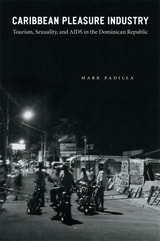
Caribbean Pleasure Industry
Tourism, Sexuality, and AIDS in the Dominican RepublicMark Padilla
University of Chicago Press, 2007
In recent years, the economy of the Caribbean has become almost completely dependent on international tourism. And today one of the chief ways that foreign visitors there seek pleasure is through prostitution. While much has been written on the female sex workers who service these tourists, Caribbean Pleasure Industry shifts the focus onto the men. Drawing on his groundbreaking ethnographic research in the Dominican Republic, Mark Padilla discovers a complex world where the global political and economic impact of tourism has led to shifting sexual identities, growing economic pressures, and new challenges for HIV prevention. In fluid prose, Padilla analyzes men who have sex with male tourists, yet identify themselves as “normal” heterosexual men and struggle to maintain this status within their relationships with wives and girlfriends. Padilla’s exceptional ability to describe the experiences of these men will interest anthropologists, but his examination of bisexuality and tourism as much-neglected factors in the HIV/AIDS epidemic makes this book essential to anyone concerned with health and sexuality in the Caribbean or beyond.
Caring for Immigrants in the Twenty-First Century
Local Hospitals, Global HealthSusan E. Bell
Rutgers University Press, 2027
In Permeable Hospitals, medical sociologist Susan E. Bell makes an original contribution to understanding a complex and urgent global health issue – caring for an increasingly diverse and mobile patient population. Bell identifies the twenty-first-century hospital as the center of a complex network of social and health care interactions among patients and medical communities that are distinguished by transnational movement. She examines how culture and language are negotiated during face-to-face interactions in outpatient visits at one Maine hospital and shows how caring is done for refugee and immigrant patients. To capture this process, Bell advances a new theoretical framework, that twenty-first-century hospitals are nodes in transnational social networks. During appointments, temporary combinations of people, objects, practices, and ideas assemble at the hospital and disperse at the appointment’s end. Because the interactions take place in a teaching hospital, the thinking that underlies diagnosis and treatment is made explicit and evaluated in backstage teaching areas where residents report about their patients to senior physicians. Bell's landmark book is based on a qualitative study that included nine months at the hospital observing interactions among adult New Mainer patients and clinicians, interpreters, and staff.
Cat Musculature
A Photographic AtlasGordon Greenblatt
University of Chicago Press, 1981
This series of brilliant photographs shows the dissection of the cat musculature. It is designed for use in conjunction with the third edition of Hyman's Comparative Vertebrate Anatomy, edited by Marvalee Wake, although it can be used with other textbooks. Every possible step has been taken to make the photographs easy to interpret and to follow. Reference indications to the Wake texts are included, and also concise data on the origin, insertion, and action of each muscle. The scale is such that in most cases no more than five muscles are shown per photograph, thus simplifying the task of visualizing the individual muscles. An invaluable aid for every student of cat anatomy.
Catastrophic Diseases
Who Decides What?Jay Katz
Russell Sage Foundation, 1975
Catharsis
On the Art of MedicineAndrzej Szczeklik
University of Chicago Press, 2005
The process of diagnosis, for instance, belongs to a world of magic and metaphor; the physician must embrace it like a poem or painting, with particular alertness and keen receptivity. Speculation on ways to slow aging through genetics, meanwhile, draws directly on the dream of immortality that artists and poets have nourished through the ages. And the concept of catharsis itself has made its way from the writings of Aristotle to today's growing interest in the benefits of music to health, especially in newborns. As Szczeklik explores such subjects as the mysteries of the heart rhythm, the secret history of pain relief, the enigmatic logic of epidemics, near-death or out-of-body experiences, and many more, he skillfully weaves together classical literature, the history of medicine, and moving anecdotes from his own clinical experiences. The result is a life-affirming book that will enrich the healing work of patients and doctors alike and make an invaluable contribution to our still-expanding vision of the art of medicine.
Catheters, Slurs, and Pickup Lines
Professional Intimacy in Hospital NursingLisa C. Ruchti
Temple University Press, 2012
Every day, hospital nurses must negotiate intimate trust and intimate conflict in an effort to provide quality health care. However, interactions between nurses and patients—which often require issues of privacy—are sometimes made more uncomfortable with inappropriate behavior, as when a patient has a racist and/or sexist outburst. Not all nurses are prepared to handle such intimacy, but they can all learn how to "be caring."
In Catheters, Slurs, and Pickup Lines, Lisa Ruchti carefully examines this fragile relationship between intimacy and professional care, and provides a language for patients, nurses, and administrators to teach, conduct, and advocate for knowledgeable and skilled intimate care in a hospital setting. She also recommends best training practices and practical and effective policy changes to handle conflicts.
Ruchti shows that "caring" is not just a personality characteristic but is work that is structured by intersections of race, gender, and nationality.
Catholic Witness in Health Care
Practicing Medicine in Truth and LoveJohn M. Travaline
Catholic University of America Press, 2017
Catholic Witness in Health Care integrates the theoretical presentation of Catholic medical ethics with real life practice. It begins with fundamental elements of Catholic care, touching upon Scripture, moral philosophy, theology, Christian anthropology, and pastoral care. The second part features Catholic clinicians illuminating authentic Catholic medical care in their various medical disciplines: gynecology and reproductive medicine, fertility, pediatrics, geriatrics, critical care, surgery, rehabilitation, psychology, and pharmacy. Part three offers unique perspectives concerning medical education, research, and practice, with an eye toward creating a cultural shift to an authentically Catholic medical ethos.
Readers of this book will learn essential elements upon which the ethics of Catholic medical practice is founded and gain insights into practicing medicine and caring for others in an authentically Catholic way.

Catholicism, Race and Empire
Eugenics in Portugal, 1900-1950Richard Cleminson
Central European University Press, 2014

Cattle, Priests, and Progress in Medicine
Calvin W. Schwabe
University of Minnesota Press, 1978
Cattle, Priests, and Progress in Medicine was first published in 1978. Minnesota Archive Editions uses digital technology to make long-unavailable books once again accessible, and are published unaltered from the original University of Minnesota Press editions.
The author shows that over the centuries many of the most significant breakthroughs in improving humans health have been closely associated with observations and experiments on animals other than man. Because human medical progress has been so dependent on veterinary studies, he urges that schools of veterinary medicine assume a much greater role in the training of persons for research in human medicine.
To illuminate the historical link between animals and man in medical progress, Professor Schwabe recounts highlights in the history of medicine from ancient times onward. He describes the early history of man in terms of animal cultures, focusing on the prehistoric Nile Valley, and points to similarities in medical knowledge between present-day "cattle" societies in Northeastern Africa and the ancient people of the Nile. He discusses the comparative healers of ancient Egypt, the comparative foundations of Greek medicine, the Arabic contribution, Sicily and the beginnings of modern medicine, and subsequent developments through the Renaissance .Bringing the history down to modern times, Professor Schwabe emphasizes the role of veterinary medicine in medical research. He outlines specific reforms in the curricula of schools and colleges of veterinary medicine which would provide for the education of medical investigators.
Cerebral Herniation Syndromes and Intracranial Hypertension
Koenig, Matthew
Rutgers University Press, 2016
Challenging Diagnosis
Cystic Fibrosis and the Elusive Quest for CertaintyMichelle LaBonte
University of Chicago Press, 2026
Highlights the experiences of patients to examine how diagnostic uncertainty in cystic fibrosis has persisted despite the introduction of new technologies.
Using the critical case of cystic fibrosis (CF), Challenging Diagnosis probes the sociocultural and scientific factors that have contributed to diagnostic uncertainty in medicine while foregrounding its impact on patients and families. Though often described in medical and biology texts as a model genetic disease, making it straightforward to identify, diagnosing CF has long been fraught with challenges. As Michelle LaBonte shows, looking at CF illustrates how diagnostic uncertainty has persisted despite—and even because of—new technologies.
Drawing on her own experiences as a patient with pancreatic insufficiency, a condition often seen in people with CF, LaBonte examines shifts in CF’s screening and diagnosis, from the first comprehensive descriptions of the disease in the 1930s to contemporary genetic testing for carrier status. Today, the diagnosis of CF is no more straightforward than it was in the mid-twentieth century. Since many diagnostic technologies for CF (or their analogs) have been used throughout medicine, as LaBonte explains, these findings are broadly applicable beyond CF and demonstrate the significant harms associated with relying on test results that prioritize disease specificity over patient narratives.
In her historical analysis and her personal story, LaBonte highlights the shortcomings of a reductionist biomedical model that’s overly reliant on diagnostic technologies, a concern that’s more relevant than ever now that direct-to-consumer genetic testing and use of whole genome sequencing in newborns are increasing.
Challenging Operations
Medical Reform and Resistance in SurgeryKatherine C. Kellogg
University of Chicago Press, 2011
In 2003, in the face of errors and accidents caused by medical and surgical trainees, the American Council of Graduate Medical Education mandated a reduction in resident work hours to eighty per week. Over the course of two and a half years spent observing residents and staff surgeons trying to implement this new regulation, Katherine C. Kellogg discovered that resistance to it was both strong and successful—in fact, two of the three hospitals she studied failed to make the change. Challenging Operations takes up the apparent paradox of medical professionals resisting reforms designed to help them and their patients. Through vivid anecdotes, interviews, and incisive observation and analysis, Kellogg shows the complex ways that institutional reforms spark resistance when they challenge long-standing beliefs, roles, and systems of authority.
At a time when numerous policies have been enacted to address the nation’s soaring medical costs, uneven access to care, and shortage of primary-care physicians, Challenging Operations sheds new light on the difficulty of implementing reforms and offers concrete recommendations for effectively meeting that challenge.

Changing Birth in the Andes
Culture, Policy, and Safe Motherhood in PeruLucia Guerra-Reyes
Vanderbilt University Press, 2019
Peru's Intercultural Birthing Policy of 2005 was intended to solve these longstanding issues by recognizing indigenous cultural values and making biomedical care more accessible and desirable for indigenous women. Yet many difficulties remain.
Guerra-Reyes also gives ethnographic attention to health care workers. She explains the class and educational backgrounds of traditional birth attendants and midwives, interviews doctors and health care administrators, and describes their interactions with local families. Interviews with national policy makers put the program in context.
Changing the Culture of Academic Medicine
Perspectives of Women FacultyLinda H. Pololi
Dartmouth College Press, 2010

Charles Bell and the Anatomy of Reform
Carin Berkowitz
University of Chicago Press, 2015
In Charles Bell and the Anatomy of Reform, Carin Berkowitz takes readers into Bell’s world, helping us understand the life of medicine before the modern separation of classroom, laboratory, and clinic. Through Bell’s story, we witness the age when modern medical science, with its practical universities, set curricula, and medical professionals, was born.

Chemical Lands
Pesticides, Aerial Spraying, and Health in North America’s Grasslands since 1945David D. Vail
University of Alabama Press, 2018
An exploration of the elaborate relationship between farmers, aerial sprayers, agriculturalists, crop pests, chemicals, and the environment.
The controversies in the 1960s and 1970s that swirled around indiscriminate use of agricultural chemicals—their long-term ecological harm versus food production benefits—were sparked and clarified by biologist Rachel Carson’s Silent Spring (1962). This seminal publication challenged long-held assumptions concerning the industrial might of American agriculture while sounding an alarm for the damaging persistence of pesticides, especially chlorinated hydrocarbons such as DDT, in the larger environment.
In Chemical Lands: Pesticides, Aerial Spraying, and Health in North America’s Grasslands since 1945 David D. Vail shows, however, that a distinctly regional view of agricultural health evolved. His analysis reveals a particularly strong ethic in the North American grasslands where practitioners sought to understand and deploy insecticides and herbicides by designing local scientific experiments, engineering more precise aircraft sprayers, developing more narrowly specific chemicals, and planting targeted test crops. Their efforts to link the science of toxicology with environmental health reveal how the practitioners of pesticides evaluated potential hazards in the agricultural landscape while recognizing the production benefits of controlled spraying.
Chemical Lands adds to a growing list of books on toxins in the American landscape. This study provides a unique Grasslands perspective of the Ag pilots, weed scientists, and farmers who struggled to navigate novel technologies for spray planes and in the development of new herbicides/insecticides while striving to manage and mitigate threats to human health and the environment.
Chemistry and Medicine
Papers Presented at the Fiftieth Anniversary of the Founding of the Medical School of the University of MinnesotaMaurice B. Visscher
University of Minnesota Press, 1940
Chemistry and Medicine was first published in 1940. Minnesota Archive Editions uses digital technology to make long-unavailable books once again accessible, and are published unaltered from the original University of Minnesota Press editions.

Chicana and Chicano Mental Health
Alma, Mente y CorazónYvette G. Flores
University of Arizona Press, 2013
Chicana and Chicano Mental Health offers a model to understand and to address the mental health challenges and service disparities affecting Mexican immigrants and Mexican Americans/Chicanos. Yvette G. Flores, who has more than thirty years of experience as a clinical psychologist, provides in-depth analysis of the major mental health challenges facing these groups: depression; anxiety disorders, including post-traumatic stress disorder; substance abuse; and intimate partner violence. Using a life-cycle perspective that incorporates indigenous health beliefs, Flores examines the mental health issues affecting children and adolescents, adult men and women, and elderly Mexican Americans.
Through case studies, Flores examines the importance of understanding cultural values, class position, and the gender and sexual roles and expectations Chicanas/os negotiate, as well as the legacies of migration, transculturation, and multiculturality. Chicana and Chicano Mental Health is the first book of its kind to embrace both Western and Indigenous perspectives.
Ideally suited for students in psychology, social welfare, ethnic studies, and sociology, the book also provides valuable information for mental health professionals who desire a deeper understanding of the needs and strengths of the largest ethnic minority and Hispanic population group in the United States.
Chicane Mental Health, Second Edition
Alma, Mente y CorazónYvette G. Flores
University of Arizona Press, 2026
Chicane Mental Health offers an intersectional and developmental framework for understanding and addressing the mental health needs of Chicane communities. Drawing on over four decades of clinical and academic experience, Yvette G. Flores addresses the entire lifespan from children and youth to emerging adults, adults, and elders.
Foregrounding cultural humility and an understanding of Chicane strengths and community cultural wealth, the author uses vivid vignettes and community-based insights to address how historical trauma, systemic oppression, and sociocultural dynamics shape mental well-being. Flores highlights the cultural strengths and protective factors that foster resilience.
This new edition expands on Flores’s influential work by integrating Indigenous healing practices, decolonial theory, and liberatory models of care. It challenges dominant Western paradigms and calls for culturally affirming, community-engaged approaches to mental health. With a focus on issues such as depression, substance use, intimate partner violence, and intergenerational trauma, the book provides practical tools for scholars, clinicians, and students committed to social justice and healing in Chicane and Latine communities.
Children and Drug Safety
Balancing Risk and Protection in Twentieth-Century AmericaConnolly, Cynthia A
Rutgers University Press, 2018
Children and Drug Safety traces the development, use, and marketing of drugs for children in the twentieth century, a history that sits at the interface of the state, business, health care providers, parents, and children. This book illuminates the historical dimension of a clinical and policy issue with great contemporary significance—many of the drugs administered to children today have never been tested for safety and efficacy in the pediatric population.
Each chapter of Children and Drug Safety engages with major turning points in pediatric drug development; themes of children’s risk, rights, protection and the evolving context of childhood; child-rearing; and family life in ways freighted with nuances of race, class, and gender. Cynthia A. Connolly charts the numerous attempts by Congress, the Food and Drug Administration, the American Academy of Pediatrics, and leading pediatric pharmacologists, scientists, clinicians, and parents to address a situation that all found untenable.
Open access edition funded by the National Endowment for the Humanities.
The text of this book is licensed under a Creative Commons Attribution NonCommercial-NoDerivatives 4.0 International License: https://creativecommons.org/licenses/by-nc-nd/4.0/
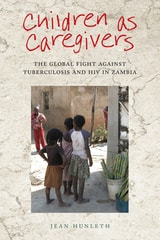
Children as Caregivers
The Global Fight against Tuberculosis and HIV in ZambiaHunleth, Jean
Rutgers University Press, 2017
In Zambia, due to the rise of tuberculosis and the closely connected HIV epidemic, a large number of children have experienced the illness or death of at least one parent. Children as Caregivers examines how well intentioned practitioners fail to realize that children take on active caregiving roles when their guardians become seriously ill and demonstrates why understanding children’s care is crucial for global health policy.
Using ethnographic methods, and listening to the voices of the young as well as adults, Jean Hunleth makes the caregiving work of children visible. She shows how children actively seek to “get closer” to ill guardians by providing good care. Both children and ill adults define good care as attentiveness of the young to adults’ physical needs, the ability to carry out treatment and medication programs in the home, and above all, the need to maintain physical closeness and proximity. Children understand that losing their guardians will not only be emotionally devastating, but that such loss is likely to set them adrift in Zambian society, where education and advancement depend on maintaining familial, reciprocal relationships.
View a gallery of images from the book (https://www.flickr.com/photos/childrenascaregivers)
Download the open access ebook.

Children's Mental Health
Problems and ServicesA Report by the Office of Technology Assessment
Duke University Press, 1987
This book was prepared by the Office of Technology Assessment at the request of Senators Mark Hatfield and Daniel Inouye. It acknowledges that there are no simple solutions to the problems we face or easy answers to questions concerning the best system of mental health service delivery. Yet Children's Mental Health makes it abundantly clear that there is a need for a mental health system response to these issues and that this response must be coordinated with other existing service systems.
This book should be of value to concerned parents and community leaders, health system planners, and health care practitioners involved with both the needs of children and mental illness.
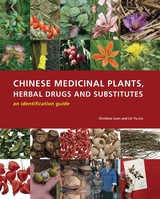
Chinese Medicinal Plants, Herbal Drugs and Substitutes
An Identification GuideChristine Leon and Lin Yu-Lin
Royal Botanic Gardens, Kew, 2017
Chinese Medicine in Contemporary China
Plurality and SynthesisVolker Scheid
Duke University Press, 2002
Scheid, a medical anthropologist and practitioner of Chinese medicine in practice since 1983, has produced an ethnography that accepts plurality as an intrinsic and nonreducible aspect of medical practice. It has been widely noted that a patient visiting ten different practitioners of Chinese medicine may receive ten different prescriptions for the same complaint, yet many of these various treatments may be effective. In attempting to illuminate the plurality in Chinese medical practice, Scheid redefines-and in some cases abandons-traditional anthropological concepts such as tradition, culture, and practice in favor of approaches from disciplines such as science and technology studies, social psychology, and Chinese philosophy. As a result, his book sheds light not only on Chinese medicine but also on the Western academic traditions used to examine it and presents us with new perspectives from which to deliberate the future of Chinese medicine in a global context.
Chinese Medicine in Contemporary China is the product of two decades of research including numerous interviews and case studies. It will appeal to a western academic audience as well as practitioners of Chinese medicine and other interested medical professionals, including those from western biomedicine.

Choked
Life and Breath in the Age of Air PollutionBeth Gardiner
University of Chicago Press, 2019
Air pollution prematurely kills seven million people every year, including more than one hundred thousand Americans. It is strongly linked to strokes, heart attacks, many kinds of cancer, dementia, and premature birth, among other ailments. In Choked, Beth Gardiner travels the world to tell the story of this modern-day plague, taking readers from the halls of power in Washington and the diesel-fogged London streets she walks with her daughter to Poland’s coal heartland and India’s gasping capital. In a gripping narrative that’s alive with powerful voices and personalities, she exposes the political decisions and economic forces that have kept so many of us breathing dirty air. This is a moving, up-close look at the human toll, where we meet the scientists who have transformed our understanding of pollution’s effects on the body and the ordinary people fighting for a cleaner future.
In the United States, air is far cleaner than it once was. But progress has failed to keep up with the science, which tells us that even today’s lower pollution levels are doing real damage. And as the Trump administration rips up the regulations that have brought us where we are, decades of gains are now at risk. Elsewhere, the problem is far worse, and choking nations like China are scrambling to replicate the achievements of an American agency—the EPA—that until recently was the envy of the world.
Clean air feels like a birthright. But it can disappear in a puff of smoke if the rules that protect it are unraveled. At home and around the world, it’s never been more important to understand how progress happened and what dangers might still be in store. Choked shows us that we hold the power to build a cleaner, healthier future: one in which breathing, life’s most basic function, no longer carries a hidden danger.
Choosing Wisdom
Strategies and Inspiration for Growing through Life-Changing DifficultiesMargaret Plews-Ogan
Templeton Press, 2012
We all know the saying, “That which does not kill us makes us stronger,” but is that really true? After all, for some people, traumatic experiences ultimately lead to genuinely debilitating outcomes. For others, though, adversity does seem to lead to “post-traumatic growth,” where individuals move through suffering and find their lives changed in positive ways. Why does this growth happen for some people and not others? How exactly does it happen? Can the positive results be purposefully replicated?
Chronic Conditions, Fluid States
Chronicity and the Anthropology of IllnessManderson, Lenore
Rutgers University Press, 2010
Chronic Failures
Kidneys, Regimes of Care, and the Mexican StateCiara Kierans
Rutgers University Press, 2020
Chronic Obstructive Pulmonary Disease
A Collection of Personal StoriesEdited by Sara K. Whisenant and Mary Kay Hamby
Michigan Publishing Services, 2018
In Chronic Obstructive Pulmonary Disease: A Collection of Personal Stories, you will learn what COPD is and what it is not. Written in the actual voices of real patients and family members, you will hear what worried them, what helped them, the good advice they have to share, and even some unexpected joys discovered in the course of their journey. There is also a long list of resources for those who are exploring COPD topics. This collection of personal stories and photos was written by COPD patients and family members for the benefit of newly-diagnosed patients and their families. The authors want you to know that you are not alone.
Proceeds from this book will be used to improve the patient experience at Michigan Medicine.
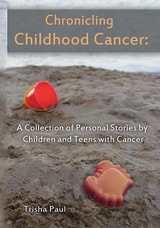
Chronicling Childhood Cancer
A Collection of Personal Stories by Children and Teens with CancerTrisha Karena Paul
Michigan Publishing Services, 2014
This book is a resource for all those interested in learning more about childhood cancer, including health practitioners, family, and friends. These stories also have the potential to help other youth diagnosed with cancer.
All of the proceeds received by the University of Michigan Division of Pediatric Hematology/Oncology for this book will be donated: 50% to the Block Out Cancer campaign for pediatric cancer research at the University of Michigan and 50% to the Child and Family Life Program at the University of Michigan C.S. Mott Children’s Hospital.
Chronicling Idiopathic Pulmonary Fibrosis
A Collection of Personal StoriesSara Whisenant
Michigan Publishing Services, 2016
In “Chronicling Idiopathic Pulmonary Fibrosis: A Collection of Personal Stories,” you’ll hear the voices of real patients and family members as they talk about what worries them, the coping techniques they have tried and the bright spots of beauty they have found in the course of their journey with this disease. Readers will learn what IPF is and what it is not. They will find new resources and even some questions to help guide their own thoughts when reflecting on what an IPF diagnosis means to them.
The author is grateful to the FRIENDS of the University of Michigan Hospitals Patient Education Library for their generous support of this book. Proceeds from this book will be used to improve the patient experience at the University of Michigan Health System.
Cinematic Prophylaxis
Globalization and Contagion in the Discourse of World HealthKirsten Ostherr
Duke University Press, 2005
Ostherr presents the first in-depth analysis of the public health films produced between World War II and the 1960s that popularized the ideals of world health and taught viewers to imagine the presence of invisible contaminants all around them. She considers not only the content of specific films but also their techniques for making invisible contaminants visible. By identifying the central aesthetic strategies in films produced by the World Health Organization, the Centers for Disease Control, and other institutions, she reveals how ideas about racial impurity and sexual degeneracy underlay messages ostensibly about world health. Situating these films in relation to those that preceded and followed them, Ostherr shows how, during the postwar era, ideas about contagion were explicitly connected to the global circulation of bodies. While postwar public health films embraced the ideals of world health, they invoked a distinct and deeply anxious mode of representing the spread of disease across national borders.