Results by title
69 books match the query 'Images' and 2 start with f

Fitness in American Culture
Images of Health, Sport, and the Body, 1830-1940Kathryn Grover
University of Massachusetts Press, 1989
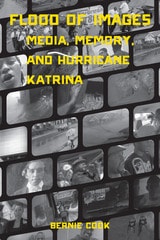
Flood of Images
Media, Memory, and Hurricane KatrinaBy Bernie Cook
University of Texas Press, 2015
Anyone who was not in New Orleans during Hurricane Katrina and the subsequent flooding of the city experienced the disaster as a media event, a flood of images pouring across television and computer screens. The twenty-four-hour news cycle created a surplus of representation that overwhelmed viewers and complicated understandings of the storm, the flood, and the aftermath. As time passed, documentary and fictional filmmakers took up the challenge of explaining what had happened in New Orleans, reaching beyond news reports to portray the lived experiences of survivors of Katrina. But while these narratives presented alternative understandings and more opportunities for empathy than TV news, Katrina remained a mediated experience.
In Flood of Images, Bernie Cook offers the most in-depth, wide-ranging, and carefully argued analysis of the mediation and meanings of Katrina. He engages in innovative, close, and comparative visual readings of news coverage on CNN, Fox News, and NBC; documentaries including Spike Lee’s When the Levees Broke and If God Is Willing and Da Creek Don’t Rise, Tia Lessin and Carl Deal’s Trouble the Water, and Dawn Logsdon and Lolis Elie’s Faubourg Treme; and the HBO drama Treme. Cook examines the production practices that shaped Katrina-as-media-event, exploring how those choices structured the possible memories and meanings of Katrina and how the media’s memory-making has been contested. In Flood of Images, Cook intervenes in the ongoing process of remembering and understanding Katrina.