Results by title
3064 books match the query 'Social conditions' and 86 start with g

Gabriel's Fire
A MemoirLuis Gabriel Aguilera
University of Chicago Press, 2000
Aguilera's memoir is not just an account of race relations and street life in the inner city, nor of the plight of the immigrant and the dilemma of class identity for a "minority" family. Gabriel's Fire also movingly recounts the peculiarly daunting and inspiring moments of a particular age, riddled with confusion, desires, and duties and recorded by an exceptionally observant and articulate young man. Aguilera writes that he "grew into" the English language when he was eleven or twelve, and his recollections reflect his newfound delight with words—the conversations, arguments, taunts, song lyrics, and casual interchanges of his youth are rendered here with an immediacy and directness rare in contemporary memoirs.
Both a picture of American culture of the 1980s and 1990s and a coming-of-age story, Gabriel's Fire counters mainstream and mass-mediated images of the inner city, Hispanic culture, and troubled youth. In its honesty and energy, it is a poignant and compelling story of one man's formative years.
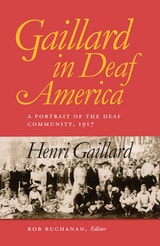
Gaillard in Deaf America
A Portrait of the Deaf Community, 1917, Henri GaillardHenri Gaillard
Gallaudet University Press, 2002
In 1917, Henri Gaillard led a delegation of deaf French men to the United States for the centennial celebration of the American School for the Deaf (ASD). The oldest school for deaf students in America, ASD had been cofounded by renowned deaf French teacher Laurent Clerc, thus inspiring Gaillard’s invitation. Gaillard visited deaf people everywhere he went and recorded his impressions in a detailed journal. His essays present a sharply focused portrait of the many facets of Deaf America during a pivotal year in its history.
Gaillard crossed the Atlantic only a few weeks after the United States entered World War I. In his writings, he reports the efforts of American deaf leaders to secure employment for deaf workers to support the war effort. He also witnesses spirited speeches at the National Association of the Deaf convention decrying the replacement of sign language by oral education. Gaillard also depicts the many local institutions established by deaf Americans, such as Philadelphia’s All Souls Church, founded in 1888 by the country’s first ordained deaf pastor, and the many deaf clubs established by the first wave of deaf college graduates in their communities. His journal stands as a unique chronicle of the American Deaf community during a remarkable era of transition.
Gang Nation
Delinquent Citizens In Puerto Rican, Chicano, And Chicana NarrativesMonica Brown
University of Minnesota Press, 2002
Explores how Latino gang culture mirrors the most destructive aspects of the American Dream through a look at novels and memoirs
"There’s a place for us / Somewhere a place for us." With the emergence of a rich body of literature chronicling the experiences of Latino and Latina gang members, popular understanding of this outlaw culture has advanced far beyond West Side Story. However, the diverse works discussed in this important book—ranging from the breakthrough 1967 memoir Down These Mean Streets and the crime novel Carlito’s Way to the play Zoot Suit and the World War II-era historical novel Don’t Spit on My Corner, to more recent works such as Always Running/La Vida Loca: Gang Days in L.A. and Chicana gang narratives like Locas and Two Badges—all share with the award-winning musical a crucial discourse on nationality, citizenship, and belonging.
In Gang Nation, Monica Brown offers a sophisticated analysis of these narratives produced by former gang members and by "outside" observers writing within the Latino community. She examines the ubiquity of language and behavior within this literature that reveal the frustrated longings within gangs for greater participation in America’s national culture and the desire of members to craft an alternative environment in which they are welcome. Through literature and memoirs written from within the culture, Brown illustrates how these youth mimic the rhetoric and rituals of American nationalism’s most destructive aspects—intense territoriality, justification of violence, and cultural chauvinism—to assert their citizenship in an alternative nation. Before now, studies of gang culture have centered on either the choices of individual members or the social forces that inspire their unfocused rage. But through Latino and Chicano gang literature, Brown provides a more nuanced portrait of that culture, one that raises broader concerns about dominant nationalism, civil rights, the criminalization of urban youth of color, and the often unfulfilled sense of communal identity and acceptance among American youth.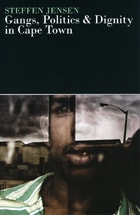
Gangs, Politics and Dignity in Cape Town
Steffen Jensen
University of Chicago Press, 2008
After nearly fifty years of rigid segregation, the demise of the apartheid regime in South Africa and the African National Congress’s relatively peaceful assumption of power in 1994 were hailed as a miracle. But a few years into the transition, this miracle appeared increasingly threatened by crime and violence. In this compelling ethnography, Steffen Jensen focuses on a single township in Cape Town in order to explore how residents have negotiated the intersecting forces of political change and violent crime.
Jensen spent years closely observing the actions of residents both male and female, young and old, as well as gang members, police officers, and local government officials. The poisonous legacy of apartheid also comes under Jensen’s lens, as he examines the lasting effects that an official policy of racist stereotyping has had on the residents’ conceptions of themselves and their neighbors. While Gangs, Politics, and Dignity in Cape Town brims with insights into ongoing debates over policing, gangs, and local politics, Jensen also shows how people in the townships maintain their dignity in the face of hardship and danger.

Gastrodiplomacy
Chinese Exclusion and the Ascent of Chinese Restaurants in New York City, 1870–1943Heather Ruth Lee
University of Chicago Press, 2027
Traces how Chinese migrants challenged racialization and disenfranchisement by establishing Chinese restaurants during the Gilded Age.
In Gastrodiplomacy, Heather Ruth Lee dives deep into not just the history of Chinese restaurants in early twentieth-century New York City but the delicate, inchoate, and constantly evolving dynamics among their owners, workers, and their predominantly white clientele. Lee argues that the stylistic and capitalist choices made by restaurateurs (“gastrodiplomats”) had outsized political effects on paternalistic white diners (“gastroliberals”) who patronized their establishments, particularly when it came to racial relations in cities that were growing and diversifying. Lee is not starry-eyed—satisfying white tongues and stomachs didn’t lead to an urban utopia of peace, harmony, and brotherhood—but she shows the great and subtle influences of Chinese migrants on American urban space, culture, and metropolitan identity in a defining time.
In Lee’s capable and compelling telling, the Chinese restaurant becomes a distinctive locus for the negotiation of political power, cultural influence, urban identity, and more. Gastrodiplomacy reveals much about burgeoning and increasingly cosmopolitan American cities, as well as about their dynamic relationships with the fluidities of the American character.
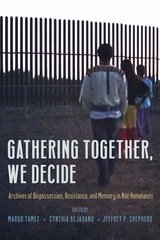
Gathering Together, We Decide
Archives of Dispossession, Resistance, and Memory in Ndé HomelandsEdited by Margo Tamez, Cynthia Bejarano, and Jeffrey P. Shepherd
University of Arizona Press, 2025
In response, Dr. Eloisa Tamez and her daughter, Dr. Margo Tamez, organized a gathering of Lipan tribal members, activists, lawyers, and allies to meet in El Calaboz, South Texas. This gathering was a response to the appropriation of the Tamez family land, but it also provided an international platform to dispute the militarization of Indigenous territory throughout the U.S.-Mexico bordered lands. The gathering and years of ensuing resistance and activism produced an archive of scholarly analyses, testimonios, artwork, legal briefs, poetry, and other cultural productions.
This unique collection spotlights powerful voices and perspectives from Ndé leaders, Indigenous elders, settler-allies, Native youth, and others associated with the Tamez family, the Ndé defiance, and the larger Indigenous rights movement to document their resistance; expose, confront, and end racism and militarization; and to foreground Indigenous women–led struggles for justice.

Gay Bar
The Fabulous, True Story of a Daring Woman and Her Boys in the 1950sWill Fellows and Helen P. Branson
University of Wisconsin Press, 2026
Vivacious, unconventional, candid, and straight, Helen Branson operated a gay bar in Los Angeles in the 1950s—America’s most anti-gay decade. After years of fending off drunken passes as an entertainer in cocktail bars, this divorced grandmother preferred the wit, variety, and fun she found among homosexual men. Enjoying their companionship and deploring their plight, she gave her gay friends a place to socialize. Though at the time California statutes prohibited homosexuals from gathering in bars, Helen’s place was relaxed, suave, and remarkably safe from police raids and other anti-homosexual hazards. In 1957 she published her extraordinary memoir Gay Bar, the first book by a heterosexual to depict the lives of homosexuals with admiration, respect, and love.
In this new edition of Gay Bar, Will Fellows interweaves Branson’s chapters with historical perspective provided through his own insightful commentary and excerpts gleaned from letters and essays appearing in gay publications of the period. Also included is the original introduction to the book by maverick 1950s psychiatrist Blanche Baker. The eclectic selection of voices gives the flavor of American life in that extraordinary age of anxiety, revealing how gay men saw themselves and their circumstances, and how others perceived them.
Outstanding Book, selected by the Public Library Association
Best Books for High Schools, selected by the American Association of School Libraries
Gay Latino Studies
A Critical ReaderMichael Hames-García and Ernesto Javier Martínez, eds.
Duke University Press, 2011
Contributors. Tomás Almaguer, Luz Calvo, Lionel Cantú,, Daniel Contreras, Catriona Rueda Esquibel, Ramón García, Ramón A. Gutiérrez, Michael Hames-García, Lawrence La Fountain-Stokes, María Lugones, Ernesto J. Martínez, Paula M. L. Moya, José Esteban Muñoz, Frances Negrón-Muntaner, Ricardo L. Ortiz, Daniel Enrique Pérez, Ramón H. Rivera-Servera, Richard T. Rodríguez, David Román, Horacio N. Roque Ramírez, Antonio Viego

Gay Men's Friendships
Invincible CommunitiesPeter M. Nardi
University of Chicago Press, 1999
Nardi explores the meaning of friends to some gay men, how friends often become a surrogate family, how sexual behavior and attraction affects these friendships, and how, for many, friends mean more and last longer than romantic relationships. While looking at the psychological joys and sorrows of friendship, he also considers the cultural constraints limiting gay men in contemporary urban America—especially those that deal with dominant images of masculinity and heterosexuality—and how they relate to friendship.
By listening to gay men talk about their interactions, Nardi offers a rare glimpse into the mechanisms of gay life. We learn how gay men meet their friends, what they typically do and talk about, and how these strong relationships contain the roots of larger cultural forces such as social movements and gay identities and neighborhoods. Nardi also points out the political and social consequences when friendships fail to provide support against oppression.
An intimate and informative look at gay life in urban America, Gay Men's Friendships ultimately shows how these relationships challenge the gender order of our society by questioning how masculinity is constructed and by offering a model for a more creative blending of gay and heterosexual masculinity.

Gay Priori
A Queer Critical Legal Studies Approach to Law ReformLibby Adler
Duke University Press, 2018
Gender Roles and Faculty Lives in Rhetoric and Composition
Theresa Enos
Southern Illinois University Press, 1997
Combining anecdotal evidence (the personal stories of rhetoric and composition teachers) with hard data, Theresa Enos offers documentation for what many have long suspected to be true: lower-division writing courses in colleges and universities are staffed primarily by women who receive minimal pay, little prestige, and lessened job security in comparison to their male counterparts. Male writing faculty, however, also are affected by factors such as low salaries because of the undervaluation of a field considered feminized. As Enos notes in her preface: "The rhetoric of our institutional lives is connected especially to the negotiations of gender roles in rhetoric and composition."
Enos describes and classifies narratives gathered from surveys, interviews, and campus visits and interweaves these narratives with statistical data gathered from national surveys that show gendered experiences in the profession. Enos discusses the ways in which these experiences affect the working conditions of writing teachers and administrators in various programs at different types of institutions.
Enos points out that fields in which women excel—and are acknowledged—receive less prestige than other fields. On the university level, those genres in which women have demonstrated competence are not taken as seriously as those dominated by men. In practical terms, academia affords more glory for teaching literature than for teaching rhetoric and composition.
Within the field of rhetoric and composition, however, Enos finds it difficult to determine why the accomplishments of women receive less credit than those of men. She speculates as to whether it is part of the larger pattern in society—and in academia—to value men more than women or something in the field itself that keeps women from real power, even though women make up the majority of composition and rhetoric teachers.
Enos provides fascinating personal histories of composition and rhetoric teachers whose work has been largely disregarded. She also provides information about writing programs, teaching, administrative responsibilities, ranks among teachers, ages, salary, tenure status, distribution of research, service responsibilities, records of publication, and promotion and tenure guidelines.
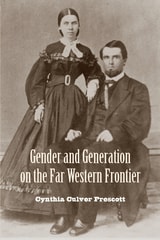
Gender and Generation on the Far Western Frontier
Cynthia Culver Prescott
University of Arizona Press, 2007
In Gender and Generation on the Far Western Frontier, Cynthia Culver Prescott expertly explores the shifting gender roles and ideologies that countless Anglo-American settlers struggled with in Oregon’s Willamette Valley between 1845 and 1900. Drawing on traditional social history sources as well as divorce records, married women’s property records, period photographs, and material culture, Prescott reveals that Oregon settlers pursued a moving target of middle-class identity in the second half of the nineteenth century.
Prescott traces long-term ideological changes, arguing that favorable farming conditions enabled Oregon families to progress from accepting flexible frontier roles to participating in a national consumer culture in only one generation. As settlers’ children came of age, participation in this new culture of consumption and refined leisure became the marker of the middle class. Middle-class culture shifted from the first generation’s emphasis on genteel behavior to a newer genteel consumption.
This absorbing volume reveals the shifting boundaries of traditional women’s spheres, the complicated relationships between fathers and sons, and the second generation’s struggle to balance their parents’ ideology with a changing national sense of class consciousness.
Gender and Modernity in Andean Bolivia
By Marcia Stephenson
University of Texas Press, 1999
In Andean Bolivia, racial and cultural differences are most visibly marked on women, who often still wear native dress and speak an indigenous language rather than Spanish. In this study of modernity in Bolivia, Marcia Stephenson explores how the state's desire for a racially and culturally homogenous society has been deployed through images of womanhood that promote the notion of an idealized, acculturated female body.
Stephenson engages a variety of texts—critical essays, novels, indigenous testimonials, education manuals, self-help pamphlets, and position papers of diverse women's organizations—to analyze how the interlocking tropes of fashion, motherhood, domestication, hygiene, and hunger are used as tools for the production of dominant, racialized ideologies of womanhood. At the same time, she also uncovers long-standing patterns of resistance to the modernizing impulse, especially in the large-scale mobilization of indigenous peoples who have made it clear that they will negotiate the terms of modernity, but always "as Indians."
Gender and Planning
A ReaderServon, Lisa J
Rutgers University Press, 2005
Increasingly, experts recognize that gender has affected urban planning and the design of the spaces where we live and work. Too often, urban and suburban spaces support stereotypically male activities and planning methodologies reflect a male-dominated society.
To document and analyze the connection between gender and planning, the editors of this volume have assembled an interdisciplinary collection of influential essays by leading scholars. Contributors point to the ubiquitous single-family home, which prevents women from sharing tasks or pooling services. Similarly, they argue that public transportation routes are usually designed for the (male) worker's commute from home to the central city, and do not help the suburban dweller running errands. In addition to these practical considerations, many contributors offer theoretical perspectives on issues such as planning discourse and the construction of concepts of rationality.
While the essays call for an awareness of gender in matters of planning, they do not over-simplify the issue by moving toward a single feminist solution. Contributors realize that not all women gravitate toward communal opportunities, that many women now share the supposedly male commute, and that considerations of race and class need to influence planning as well. Among various recommendations, contributors urge urban planners to provide opportunities that facilitate women's needs, such as childcare on the way to work and jobs that are decentralized so that women can be close to their children.
Bringing together the most important writings of the last twenty-five years, this book is essential reading for students and scholars of planning theory as well as anyone concerned with gender and diversity.

Gender and Sexuality in Modern Ireland
Anthony Bradley
University of Massachusetts Press, 1997
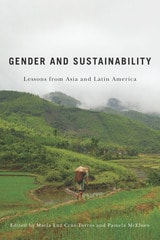
Gender and Sustainability
Lessons from Asia and Latin AmericaEdited by María Luz Cruz-Torres and Pamela McElwee
University of Arizona Press, 2012
Bringing together case studies from Asia and Latin America, this valuable collection adds new knowledge to our understanding of the interplay between local and global processes. Organized broadly by three major issues—forests, water, and fisheries—the scholarship ranges widely: the gender dimensions of the illegal trade in wildlife in Vietnam; women and development issues along the Ganges River; the role of gender in sustainable fishing in the Philippines; women’s inclusion in community forestry in India; gender-based confrontations and resistance in Mexican fisheries; environmentalism and gender in Ecuador; and women’s roles in managing water scarcity in Bolivia and addressing sustainability in shrimp farming in the Mekong Delta.
Together these chapters show why gender issues are important for understanding how communities and populations deal daily with the challenges of globalization and environmental change. Through their rich ethnographic research, the contributors demonstrate that gender analysis offers useful insights into how a more sustainable world can be negotiated—one household and one community at a time.
Contributors
Stephanie Buechler
María Luz Cruz-Torres
Linda D’Amico
Georgina Drew
James Eder
Lisa L. Gezon
Pamela McElwee
Neera Singh
Hong Anh Vu
Amber Wutich
Gender in Latin America
Chant, Sylvia
Rutgers University Press, 2002
In Latin America, gender is a fundamental dimension of virtually every aspect of contemporary social, economic, and political life. Gender in Latin America is a comprehensive state-of-the-art review of gender in the region at the start of the twenty-first century. The authors draw on a wide range of research, including their own field-based expertise, to illuminate the importance of diversity in gender in this region. Debunking traditional stereotypes, the book charts changes and continuities in gender roles, relations and identities associated with the growing evidence produced by feminist scholarship and activism in the continent.
Chapters are arranged around themes such as gender and poverty, gender and population, gender and health, and gender and employment. Each chapter begins with an introduction to the core issues, and debates in the relevant field in order to set specific regional experiences within their global as well as regional contexts. The authors also refer to new bodies of literature on the subject, including those on men and masculinity, fatherhood, and sexuality.
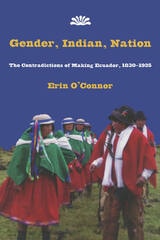
Gender, Indian, Nation
The Contradictions of Making Ecuador, 1830–1925Erin O'Connor
University of Arizona Press, 2007
O’Connor begins her investigations by examining the multilayered links between gender and Indian-state relations in nineteenth-century Ecuador. Disentangling issues of class and culture from issues of gender, she uncovers overlapping, conflicting, and ever-evolving patriarchies within both indigenous communities and the nation’s governing bodies. She finds that gender influenced sociopolitical behavior in a variety of ways, mediating interethnic struggles and negotiations that ultimately created the modern nation. Her deep research into primary sources—including congressional debates, ministerial reports, court cases, and hacienda records—allows a richer, more complex, and better informed national history to emerge.
Examining gender during Ecuadorian state building from “above” and “below,” O’Connor uncovers significant processes of interaction and agency during a critical period in the nation’s history. On a larger scale, her work suggests the importance of gender as a shaping force in the formation of nation-states in general while it questions recountings of historical events that fail to demonstrate an awareness of the centrality of gender in the unfolding of those events.
Gender, Law, and Resistance in India
Erin P. Moore
University of Arizona Press, 1988
Gender, Politics, and Islam
Edited by Therese Saliba, Carolyn Allen, and Judith A. Howard
University of Chicago Press, 2002
This collection shows Islam to be a diverse set of variable practices and beliefs shaped by region, nation, ethnicity, sect, and class, as well as by responses to many cultural and economic processes. In examining women's participation in religious and nationalist projects, these critics debate controversial issues: Does Islamic feminism provide an alternative, revolutionary paradigm to Eurocentric liberal humanism and western feminism? Is Islam more oppressive to women than the modern secular state? How are the lives and texts of Arab and Muslim women constructed for local or western consumption? These essays expose the shortcomings of the secularist assumptions of many recent feminist analyses, which continue to treat religion in general and fundamentalism in particular as a tool of oppression used against women, rather than as a viable form of feminist agency producing contradictory effects for its participants.
The essays in this book first appeared in Signs: Journal of Women in Culture and Society.
Contributors:
S. M. Shamsul Alam
Amal Amireh
Mary Elaine Heglund
Shahnaz Khan
Anouar Majid
Val Moghadam
Julia Peteet
Elora Shehabbudin
Gabriele vom Bruck.
Gendered Defenders
Marvel's Heroines in Transmedia SpacesEdited by Bryan J. Carr and Meta G. Carstarphen
The Ohio State University Press, 2022
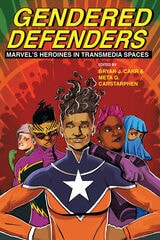
Gendered Defenders: Marvel’s Heroines in Transmedia Spaces delivers dynamic and original analyses of how women perform in super heroic spaces. Contributors from a range of disciplinary perspectives—communications, international relations, cultural and media studies, English, history, and public policy—take on Marvel’s representations of women and gender to examine how relations of power are (re)produced, understood, and challenged. Through vivid retellings of character-based scenarios, these essays examine Carol Danvers, Jessica Jones, Ms. Marvel, Shuri, Pepper Potts, Black Widow, and Squirrel Girl across media forms to characterize and critique contemporary understandings of identity, feminism, power, and gender. Collectively, Gendered Defenders challenges notions about female identity while illuminating the multidimensional portrayals that are enabled by the form of speculative fiction. Making explicit the connections between women’s lived experiences and the imagined exploits of superheroines, contributors explore how these pop culture narratives can help us understand real-world gender dynamics and prepare pedagogical, political, and social strategies for dealing with them. Contributors: Bryan J. Carr, Meta G. Carstarphen, Julie A. Davis, Rachel Grant, Annika Hagley, Amanda K. Kerhberg, Gregory P. Perreault, Mildred F. Perreault, CarrieLynn D. Reinhard, Maryanne A. Rhett, Stephanie L. Sanders, J. Richard Stevens, Anna C. Turner, Kathleen M. Turner-Ledgerwood, Robert Westerfelhaus
Gendered Fortunes
Divination, Precarity, and Affect in Postsecular TurkeyZeynep K. Korkman
Duke University Press, 2023
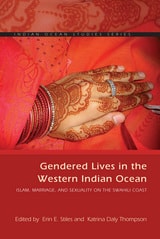
Gendered Lives in the Western Indian Ocean
Islam, Marriage, and Sexuality on the Swahili CoastErin E. Stiles
Ohio University Press, 2015
Muslim communities throughout the Indian Ocean have long questioned what it means to be a “good Muslim.” Much recent scholarship on Islam in the Indian Ocean considers debates among Muslims about authenticity, authority, and propriety. Despite the centrality of this topic within studies of Indian Ocean, African, and other Muslim communities, little of the existing scholarship has addressed such debates in relation to women, gender, or sexuality. Yet women are deeply involved with ideas about what it means to be a “good Muslim.”
In Gendered Lives in the Western Indian Ocean, anthropologists, historians, linguists, and gender studies scholars examine Islam, sexuality, gender, and marriage on the Swahili coast and elsewhere in the Indian Ocean. The book examines diverse sites of empowerment, contradiction, and resistance affecting cultural norms, Islam and ideas of Islamic authenticity, gender expectations, ideologies of modernity, and British education. The book’s attention to both masculinity and femininity, broad examination of the transnational space of the Swahili coast, and inclusion of research on non-Swahili groups on the East African coast makes it a unique and indispensable resource.
Contributors: Nadine Beckmann, Pat Caplan, Corrie Decker, Rebecca Gearhart, Linda Giles, Meghan Halley, Susan Hirsch, Susi Keefe, Kjersti Larsen, Elisabeth McMahon, Erin Stiles, and Katrina Daly Thompson
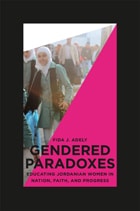
Gendered Paradoxes
Educating Jordanian Women in Nation, Faith, and ProgressFida Adely
University of Chicago Press, 2012
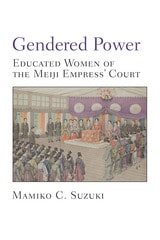
Gendered Power
Educated Women of the Meiji Empress' CourtMamiko C. Suzuki
University of Michigan Press, 2019
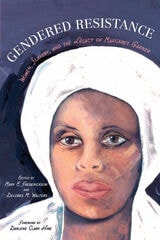
Gendered Resistance
Women, Slavery, and the Legacy of Margaret GarnerEdited by Mary E. Frederickson and Delores M. Walters
University of Illinois Press, 2013
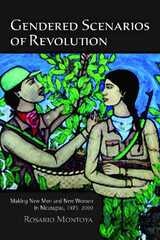
Gendered Scenarios of Revolution
Making New Men and New Women in Nicaragua, 1975–2000Rosario Montoya
University of Arizona Press, 2012
In 1979, toward the end of the Cold War era, Nicaragua's Sandinista movement emerged on the world stage claiming to represent a new form of socialism. Gendered Scenarios of Revolution is a historical ethnography of Sandinista state formation from the perspective of El Tule-a peasant village that was itself thrust onto a national and international stage as a "model" Sandinista community. This book follows the villagers´ story as they joined the Sandinista movement, performed revolution before a world audience, and grappled with the lessons of this experience in the neoliberal aftermath.
Employing an approach that combines political economy and cultural analysis, Montoya argues that the Sandinistas collapsed gender contradictions into class ones, and that as the Contra War exacerbated political and economic crises in the country, the Sandinistas increasingly ruled by mandate as vanguard party instead of creating the participatory democracy that they professed to work toward. In El Tule this meant that even though the Sandinistas created new roles and possibilities for women and men, over time they upheld pre-revolutionary patriarchal social structures. Yet in showing how the revolution created opportunities for Tuleños to assert their agency and advance their interests, even against the Sandinistas´ own interests, this book offers a reinterpretation of the revolution´s supposed failure.
Examining this community’s experience in the Sandinista and post-Sandinista periods offers perspective on both processes of revolutionary transformation and their legacies in the neoliberal era. Gendered Scenarios of Revolution will engage graduate and undergraduate students and scholars in anthropology, sociology, history, and women’s and gender studies, and appeal to anyone interested in modern revolution and its aftermath.
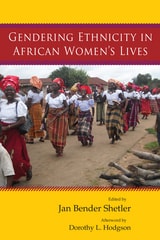
Gendering Ethnicity in African Women’s Lives
Edited by Jan Bender Shetler
University of Wisconsin Press, 2015
Drawing on extensive field research in many different regions of Africa, the contributors demonstrate in their essays that women do make choices about the forms of ethnicity they embrace, creating alternatives to male-centered definitions—in some cases rejecting a specific ethnic identity in favor of an interethnic alliance, in others reinterpreting the meaning of ethnicity within gendered domains, and in others performing ethnic power in gendered ways. Their analysis helps explain why African women may be more likely to champion interethnic political movements while men often promote an ethnicity based on martial masculinity. Bringing together anthropologists, historians, linguists, and political scientists, Gendering Ethnicity in African Women’s Lives offers a diverse and timely look at a neglected but important topic.
Generations Past
Youth in East African HistoryAndrew Burton
Ohio University Press, 2010
Contemporary Africa is demographically characterized above all else by its youthfulness. In East Africa the median age of the population is now a striking 17.5 years, and more than 65 percent of the population is age 24 or under. This situation has attracted growing scholarly attention, resulting in an important and rapidly expanding literature on the position of youth in African societies.
While the scholarship examining the contemporary role of youth in African societies is rich and growing, the historical dimension has been largely neglected in the literature thus far. Generations Past seeks to address this gap through a wide-ranging selection of essays that covers an array of youth-related themes in historical perspective. Thirteen chapters explore the historical dimensions of youth in nineteenth-, twentieth-, and twenty-first–century Ugandan, Tanzanian, and Kenyan societies. Key themes running through the book include the analytical utility of youth as a social category; intergenerational relations and the passage of time; youth as a social and political problem; sex and gender roles among East African youth; and youth as historical agents of change. The strong list of contributors includes prominent scholars of the region, and the collection encompasses a good geographical spread of all three East African countries.
Generations
Academic Feminists In DialogueDevoney Looser
University of Minnesota Press, 1997
Explores the conflicts and challenges facing older and younger feminist scholars.
In universities and colleges across the country, feminists are debating their histories and future legacies, often expressing these controversies in generational terms. Some older, second wave feminists accuse younger ones of being careerist, overly theoretical, insufficiently political, and not grateful enough to previous generations. Some third wave feminists consider their foremothers naive, universalizing, or elitist, resentful of deviations from their established plans and improperly wielding their power. Generations addresses these divisions and impasses through sophisticated analyses of the challenges of “passing the torch.”
Generations is composed of essays from academic women at various professional stages-from established scholars to junior professors to graduate students. Some are concerned with telling intergenerational feminist histories based on both research and experience. Others describe difficulties faced by feminists of all ages in the academy today. A final cluster considers issues in the highly charged convergence of feminist theory and postmodernism. The promise of feminisms yet to come can be found in these pages, alongside some of the most resonant and important feminist voices of the last two decades. Generations both complicates and enlivens the transmission and rebirth of feminist knowledges from one generation to another. Contributors: Diane Elam, U of Wales; Elizabeth Francis, Brown U; Linda Frost, U of Alabama; Jane Gallop, U of Wisconsin; Dana Heller, Old Dominion U; Jane Kalbfleisch; Jeanne Marecek, Swarthmore College; Nancy K. Miller, CUNY; Mona Narain, Otterbein College; Angela M. S. Nelson, Bowling Green State U; Judith Newton, U of California, Davis; Rebecca Dakin Quinn; Gita Rajan, Fairfield U; Judith Roof, Indiana U; Theresa Ann Sears, U of Missouri at St. Louis; Ruthe Thompson; Michele Wallace, CUNY; Barbara A. White, U of New Hampshire; Lynda Zwinger, U of Arizona.
Generous Betrayal
Politics of Culture in the New EuropeUnni Wikan
University of Chicago Press, 2002
Comparing her native Norway to Western Europe and the United States, Wikan focuses on people caught in turmoil, how institutions function, and the ways in which public opinion is shaped and state policies determined. Contradictions arise between policies of respect for minority cultures, welfare, and freedom, but the goal is the same: to create a society committed to both social justice and respect for human rights.
Writing with power and grace, Wikan makes a plea for a renewed moral vitality and human empathy that can pave the way for more effective social policies and create change.

Genius
A NovelThomas Rayfiel
Northwestern University Press, 2016
Kara Bell spent her youth plotting escape from Witch’s Falls, Arkansas. Relentless focus and the spurning of all emotional attachment led to the doctoral program in philosophy at Columbia University. But Kara’s careful plans are upended by cancer, and suddenly she is home again, where she finds herself subject to her mother’s suffocating care, her brother’s puzzling love life, the local doctor’s meddling, and the strong gravitational pull of her old friend and obsession, Christy Lee. Will Kara find health and sanity? Will she learn what really happened to her father? Can she escape Witch’s Falls a second time, or will she succumb to the slow poison of local kindness and Snickers Salad?
In Genius, Thomas Rayfiel finds both poignancy and dark humor in deathly illness, family secrets, organized religion, parenting, abortion, gossip, senility, and the mysterious rhythms of small-town life.
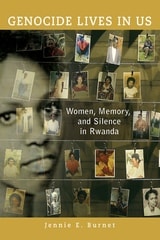
Genocide Lives in Us
Women, Memory, and Silence in RwandaJennie E. Burnet
University of Wisconsin Press, 2012
In the aftermath of the 1994 genocide, Rwandan women faced the impossible—resurrecting their lives amidst unthinkable devastation. Haunted by memories of lost loved ones and of their own experiences of violence, women rebuilt their lives from “less than nothing.” Neither passive victims nor innate peacemakers, they traversed dangerous emotional and political terrain to emerge as leaders in Rwanda today. This clear and engaging ethnography of survival tackles three interrelated phenomena—memory, silence, and justice—and probes the contradictory roles women played in postgenocide reconciliation.
Based on more than a decade of intensive fieldwork, Genocide Lives in Us provides a unique grassroots perspective on a postconflict society. Anthropologist Jennie E. Burnet relates with sensitivity the heart-wrenching survival stories of ordinary Rwandan women and uncovers political and historical themes in their personal narratives. She shows that women’s leading role in Rwanda’s renaissance resulted from several factors: the dire postgenocide situation that forced women into new roles; advocacy by the Rwandan women’s movement; and the inclusion of women in the postgenocide government.
Honorable Mention, Aidoo-Snyder Book Prize, Women’s Caucus of the African Studies Association
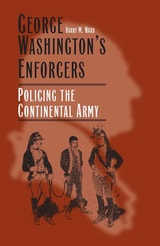
George Washington's Enforcers
Policing the Continental ArmyHarry M. Ward
Southern Illinois University Press, 2006
A well-disciplined army was vital to win American independence, but policing soldiers during the Revolution presented challenges. George Washington’s Enforcers: Policing the Continental Army examines how justice was left to the overlapping duties of special army personnel and how an improvised police force imposed rules and regulations on the common soldier. Historian Harry M. Ward describes these methods of police enforcement, emphasizing the brutality experienced by the enlisted men who were punished severely for even light transgressions. This volume explores the influences that shaped army practice and the quality of the soldiery, the enforcement of military justice, the use of guards as military police, and the application of punishment.
Washington’s army, which adopted the organization and justice code of the British army, labored under the direction of ill-trained and arrogant officers. Ward relates how the enlisted men, who had a propensity for troublemaking and desertion, not only were victims of the double standard that existed between officers and regular troops but also lacked legal protection in the army. The enforcement of military justice afforded the accused with little due process support.
Ward discusses the duties of the various personnel responsible for training and enforcing the standards of behavior, including duty officers, adjutants, brigade majors, inspectors, and sergeant majors. He includes the roles of life guards, camp guards, quarter guards, picket men, and safe guards, whose responsibilities ranged from escorting the commander in chief, intercepting spies and stragglers, and protecting farmers from marauding soldiers to searching for deserters, rounding up unauthorized personnel, and looking for delinquents in local towns and taverns.
George Washington’s Enforcers, which includes sixteen illustrations, also addresses the executions of the period, as both ritual and spectacle, and the deterrent value of capital punishment. Ward explains how Washington himself mixed clemency with severity and examines how army policies tested the mettle of this chief disciplinarian, who operated by the dictates of military necessity as perceived at the time.

Georges Woke Up Laughing
Long-Distance Nationalism and the Search for HomeNina Glick Schiller and Georges Eugene Fouron
Duke University Press, 2001
According to a long-standing myth, once emigrants leave their homelands—particularly if they emigrate to the United States—they sever old nationalistic ties, assimilate, and happily live the American dream. In fact, many migrants remain intimately and integrally tied to their ancestral homeland, sometimes even after they become legal citizens of another country. In Georges Woke Up Laughing the authors reveal the realities and dilemmas that underlie the efforts of long-distance nationalists to redefine citizenship, race, nationality, and political loyalty. Through discussions of the history and economics that link the United States with countries around the world, Glick Schiller and Fouron highlight the forces that shape emigrants’ experiences of government and citizenship and create a transborder citizenry. Arguing that governments of many countries today have almost no power to implement policies that will assist their citizens, the authors provide insights into the ongoing sociological, anthropological, and political effects of globalization.
Georges Woke up Laughing will entertain and inform those who are concerned about the rights of people and the power of their governments within the globalizing economy.
“In my dream I was young and in Haiti with my friends, laughing, joking, and having a wonderful time. I was walking down the main street of my hometown of Aux Cayes. The sun was shining, the streets were clean, and the port was bustling with ships. At first I was laughing because of the feeling of happiness that stayed with me, even after I woke up. I tried to explain my wonderful dream to my wife, Rolande. Then I laughed again but this time not from joy. I had been dreaming of a Haiti that never was.”—from Georges Woke Up Laughing
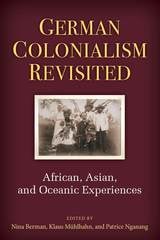
German Colonialism Revisited
African, Asian, and Oceanic ExperiencesNina Berman, Klaus Mühlhahn, and Patrice Nganang, editors
University of Michigan Press, 2018
German Colonialism Revisited brings together military historians, art historians, literary scholars, cultural theorists, and linguists to address a range of issues surrounding colonized African, Asian, and Oceanic people’s creative reactions to and interactions with German colonialism. This scholarship sheds new light on local power dynamics; agency; and economic, cultural, and social networks that preceded and, as some now argue, ultimately structured German colonial rule. Going beyond issues of resistance, these essays present colonialism as a shared event from which both the colonized and the colonizers emerged changed.
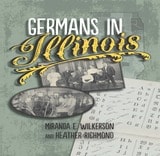
Germans in Illinois
Miranda E. Wilkerson and Heather Richmond
Southern Illinois University Press, 2019
The promise of cheap land and fertile soil in rural areas and emerging industries in cities attracted three major waves of German-speaking immigrants to Illinois in search of freedom and economic opportunities. Before long the state was dotted with German churches, schools, cultural institutions, and place names. German churches served not only as meeting places but also as a means of keeping language and culture alive. Names of Illinois cities and towns of German origin include New Baden, Darmstadt, Bismarck, and Hamburg. In Chicago, many streets, parks, and buildings bear German names, including Altgeld Street, Germania Place, Humboldt Park, and Goethe Elementary School. Some of the most lively and ubiquitous organizations, such as Sängerbunde, or singer societies, and the Turnverein, or Turner Society, also preserved a bit of the Fatherland.
Exploring the complex and ever-evolving German American identity in the growing diversity of Illinois’s linguistic and ethnic landscape, this book contextualizes their experiences and corrects widely held assumptions about assimilation and cultural identity. Federal census data, photographs, lively biographical sketches, and newly created maps bring the complex story of German immigration to life. The generously illustrated volume also features detailed notes, suggestions for further reading, and an annotated list of books, journal articles, and other sources of information.
Germans in Michigan
Jeremy W. Kilar
Michigan State University Press, 2002
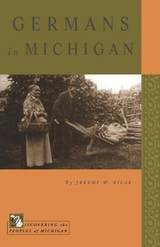
Germans are the largest ancestral group in Michigan, representing over 2.6 million descendants or 22% of the state’s population. Yet, unlike other immigrant groups, Germans have not retained their linguistic and cultural traditions as part of a distinct ethnic identity. The Bavarian villages of Frankenmuth and Gaylord stand as testaments to the once proud and vigorous German communities that dotted both rural and urban Michigan landscapes. Jeremy W. Kilar explores the social forces that transformed Germans from inward-looking immigrants to citizens in the cultural mainstream. Germans in Michigan is a story of assimilation and renewal and as such reveals the complexities of Americanization and immigration as social forces.
Get Involved!
Stories of Bahamian Civil SocietyKim Williams-Pulfer
Rutgers University Press, 2024
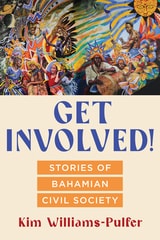
Junkanoo is the national cultural festival of The Bahamas. It fosters a sense of community pride, identity, companionship, spirituality and unity. Watch a video about Junknoo:
https://www.youtube.com/watch?v=tnMpMesNb1Q&t=14s

Get Out of My Room!
A History of Teen Bedrooms in AmericaJason Reid
University of Chicago Press, 2016
Even in our era of Snapchat and hoverboards, bedrooms remain a key part of teenage life, one of the only areas where a teen can exert control and find some privacy. And while these separate bedrooms only became commonplace after World War II, the idea of the teen bedroom has been around for a long time. With Get Out of My Room!, Jason Reid digs into the deep historical roots of the teen bedroom and its surprising cultural power. He starts in the first half of the nineteenth century, when urban-dwelling middle-class families began to consider offering teens their own spaces in the home, and he traces that concept through subsequent decades, as social, economic, cultural, and demographic changes caused it to become more widespread. Along the way, Reid shows us how the teen bedroom, with its stuffed animals, movie posters, AM radios, and other trappings of youthful identity, reflected the growing involvement of young people in American popular culture, and also how teens and parents, in the shadow of ongoing social changes, continually negotiated the boundaries of this intensely personal space.
Richly detailed and full of surprising stories and insights, Get Out of My Room! is sure to offer insight and entertainment to anyone with wistful memories of their teenage years. (But little brothers should definitely keep out.)

Get Yo' Life
Black Queer PlacemakingR. J. Millhouse
The Ohio State University Press, 2025

Getting Loose
Lifestyle Consumption in the 1970sSam Binkley
Duke University Press, 2007
Through a sociological analysis of the countercultural print culture of the 1970s, Sam Binkley investigates the dissemination of these self-loosening narratives and their widespread appeal to America’s middle class. He describes the rise of a genre of lifestyle publishing that emerged from a network of small offbeat presses, mostly located on the West Coast. Amateurish and rough in production quality, these popular books and magazines blended Eastern mysticism, Freudian psychology, environmental ecology, and romantic American pastoralism as they offered “expert” advice—about how to be more in touch with the natural world, how to release oneself into trusting relationships with others, and how to delve deeper into the body’s rhythms and natural sensuality. Binkley examines dozens of these publications, including the Whole Earth Catalog, Rainbook, the Catalog of Sexual Consciousness, Celery Wine, Domebook, and Getting Clear.
Drawing on the thought of Pierre Bourdieu, Zygmunt Bauman, and others, Binkley explains how self-loosening narratives helped the middle class confront the modernity of the 1970s. As rapid social change and political upheaval eroded middle-class cultural authority, the looser life provided opportunities for self-reinvention through everyday lifestyle choice. He traces this ethos of self-realization through the “yuppie” 1980s to the 1990s and today, demonstrating that what originated as an emancipatory call to loosen up soon evolved into a culture of highly commercialized consumption and lifestyle branding.

Girl of New Zealand
Colonial Optics in AotearoaMichelle Erai
University of Arizona Press, 2020
Viewed through Māori, feminist, queer, and film theories, Erai shows how images such as Girl of New Zealand (1793) and later images, cartoons, and travel advertising created and deployed a colonial optic. Girl of New Zealand reveals how the phantasm of the Māori woman has shown up in historical images, how such images shape our imagination, and how impossible it has become to maintain the delusion of the “innocent eye.” Erai argues that the process of ascribing race, gender, sexuality, and class to imagined bodies can itself be a kind of violence.
In the wake of the Me Too movement and other feminist projects, Erai’s timely analysis speaks to the historical foundations of negative attitudes toward Indigenous Māori women in the eyes of colonial “others”—outsiders from elsewhere who reflected their own desires and fears in their representations of the Indigenous inhabitants of Aotearoa, New Zealand. Erai resurrects Māori women from objectification and locates them firmly within Māori whānau and communities.
Girlhood
A Global HistoryHelgren, Jennifer
Rutgers University Press, 2010
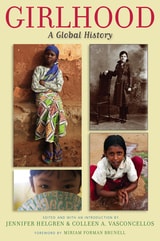
Spanning a broad time frame from 1750 to the present, essays illuminate the various continuities and differences in girls' lives across culture and region--girls on all continents except Antarctica are represented. Case studies and essays are arranged thematically to encourage comparisons between girls' experiences in diverse locales, and to assess how girls were affected by historical developments such as colonialism, political repression, war, modernization, shifts in labor markets, migrations, and the rise of consumer culture.
Giving Back
Filipino America and the Politics of Diaspora GivingL. Joyce Zapanta Mariano
Temple University Press, 2021
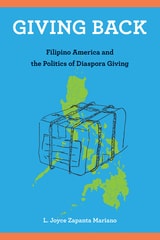
Many Filipino Americans feel obligated to give charitably to their families, their communities, or social development projects and organizations back home. Their contributions provide relief to poor or vulnerable Filipinos, and address the forces that maintain poverty, vulnerability, and exploitative relationships in the Philippines. This philanthropy is a result of both economic globalization and the migration of Filipino professionals to the United States. But it is also central to the moral economies of Filipino migration, immigration, and diasporic return. Giving-related practices and concerns—and the bonds maintained through giving—infuse what it means to be Filipino in America.
Giving Back shows how integral this system is for understanding Filipino diaspora formation. Joyce Mariano “follows the money” to investigate the cultural, social, economic, and political conditions of diaspora giving. She takes an interdisciplinary approach to reveal how power operates through this charity and the ways the global economic and cultural dimensions of this practice reinforce racial subordination and neocolonialism. Giving Back explores how this charity can stabilize overlapping systems of inequality as well as the contradictions of corporate social responsibility programs in diaspora.
Global Cinderellas
Migrant Domestics and Newly Rich Employers in TaiwanPei-Chia Lan
Duke University Press, 2006
Lan demonstrates how economic disparities, immigration policies, race, ethnicity, and gender intersect in the relationship between the migrant workers and their Taiwanese employers. The employers are eager to flex their recently acquired financial muscle; many are first-generation career women as well as first-generation employers. The domestics are recruited from abroad as contract and “guest” workers; restrictive immigration policies prohibit them from seeking permanent residence or transferring from one employer to another. They care for Taiwanese families’ children, often having left their own behind. Throughout Global Cinderellas, Lan pays particular attention to how the women she studied identify themselves in relation to “others”—whether they be of different classes, nationalities, ethnicities, or education levels. In so doing, she offers a framework for thinking about how migrant workers and their employers understand themselves in the midst of dynamic transnational labor flows.
Global Circuits of Blackness
Interrogating the African DiasporaEdited by Jean Muteba Rahier, Percy C. Hintzen, and Felipe Smith
University of Illinois Press, 2010
Global Health in Africa
Historical Perspectives on Disease ControlTamara Giles-Vernick
Ohio University Press, 2013
Global Health in Africa is a first exploration of selected histories of global health initiatives in Africa. The collection addresses some of the most important interventions in disease control, including mass vaccination, large-scale treatment and/or prophylaxis campaigns, harm reduction efforts, and nutritional and virological research.The chapters in this collection are organized in three sections that evaluate linkages between past, present, and emergent. Part I, “Looking Back,” contains four chapters that analyze colonial-era interventions and reflect upon their implications for contemporary interventions. Part II, “The Past in the Present,” contains essays exploring the historical dimensions and unexamined assumptions of contemporary disease control programs. Part III, “The Past in the Future,” examines two fields of public health intervention in which efforts to reduce disease transmission and future harm are premised on an understanding of the past.
This much-needed volume brings together international experts from the disciplines of demography, anthropology, and historical epidemiology. Covering health initiatives from smallpox vaccinations to malaria control to HIV campaigns, Global Health in Africa offers a first comprehensive look at some of global health’s most important challenges.
Global Philadelphia
Immigrant Communities Old and NewEdited by Ayumi Takenaka and Mary Johnson Osirim
Temple University Press, 2010
The racial and ethnic composition of Philadelphia continues to diversify as a new wave of immigrants—largely from Asia and Latin America—reshape the city’s demographic landscape. Moreover, in a globalized economy, immigration is the key to a city’s survival and competitiveness. The contributors to Global Philadelphia examine how Philadelphia has affected its immigrants’ lives, and how these immigrants, in turn, have shaped Philadelphia.
Providing a detailed historical, ethnographic, and sociological look at Philadelphia’s immigrant communities, this volume examines the social and economic dynamics of various ethnic populations. Significantly, the contributors make comparisons to and connections between the traditional immigrant groups—Germans, Italians, the Irish, Jews, Puerto Ricans, and Chinese—and newer arrivals, such as Cambodians, Haitians, Indians, Mexicans, and African immigrants of various nationalities.
While their experiences vary, Global Philadelphia focuses on some of the critical features that face all immigrant groups—intra-group diversity, the role of institutions, and ties to the homeland. Taken together, these essays provide a richer understanding of the processes and implications of contemporary immigration to the area.
Globalization and the Circumpolar North
Edited by Lassi Heininen and Chris Southcott
University of Alaska Press, 2010