Results by title
63 books match the query 'Causes' and 2 start with l

Leaving College
Rethinking the Causes and Cures of Student AttritionVincent Tinto
University of Chicago Press, 1994
In this 1994 classic work on student retention, Vincent Tinto synthesizes far-ranging research on student attrition and on actions institutions can and should take to reduce it. The key to effective retention, Tinto demonstrates, is in a strong commitment to quality education and the building of a strong sense of inclusive educational and social community on campus. He applies his theory of student departure to the experiences of minority, adult, and graduate students, and to the situation facing commuting institutions and two-year colleges. Especially critical to Tinto’s model is the central importance of the classroom experience and the role of multiple college communities.
[more]
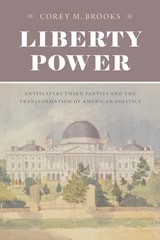
Liberty Power
Antislavery Third Parties and the Transformation of American PoliticsCorey M. Brooks
University of Chicago Press, 2015
Abraham Lincoln’s Republican Party was the first party built on opposition to slavery to win on the national stage—but its victory was rooted in the earlier efforts of under-appreciated antislavery third parties. Liberty Power tells the story of how abolitionist activists built the most transformative third-party movement in American history and effectively reshaped political structures in the decades leading up to the Civil War.
As Corey M. Brooks explains, abolitionist trailblazers who organized first the Liberty Party and later the more moderate Free Soil Party confronted formidable opposition from a two-party system expressly constructed to suppress disputes over slavery. Identifying the Whigs and Democrats as the mainstays of the southern Slave Power’s national supremacy, savvy abolitionists insisted that only a party independent of slaveholder influence could wrest the federal government from its grip. A series of shrewd electoral, lobbying, and legislative tactics enabled these antislavery third parties to wield influence far beyond their numbers. In the process, these parties transformed the national political debate and laid the groundwork for the success of the Republican Party and the end of American slavery.
As Corey M. Brooks explains, abolitionist trailblazers who organized first the Liberty Party and later the more moderate Free Soil Party confronted formidable opposition from a two-party system expressly constructed to suppress disputes over slavery. Identifying the Whigs and Democrats as the mainstays of the southern Slave Power’s national supremacy, savvy abolitionists insisted that only a party independent of slaveholder influence could wrest the federal government from its grip. A series of shrewd electoral, lobbying, and legislative tactics enabled these antislavery third parties to wield influence far beyond their numbers. In the process, these parties transformed the national political debate and laid the groundwork for the success of the Republican Party and the end of American slavery.
[more]