Results by title
84 books match the query 'Century' and 3 start with l
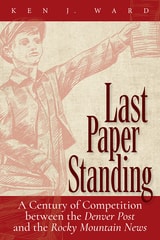
Last Paper Standing
A Century of Competition between the Denver Post and the Rocky Mountain NewsKen J. Ward
University Press of Colorado, 2023
This frequently sensational, sometimes outlandish, and occasionally bloody battle spanned numerous eras of journalism, embodying the rise and fall of the newspaper industry during the twentieth century in the lead up to the fall of American newspapering. Drawing on manuscript collections scattered across the United States as well as oral histories with executives, managers, and journalists from the papers, Ken J. Ward investigates the strategies employed in their competition with one another and against other challenges, such as widespread economic uncertainty and the deterioration of the newspaper industry. He follows this competition through the death of the Rocky Mountain News in 2009, which ended the country’s last great newspaper war and marked the close of the golden age of Denver journalism.
Fake news runs rampant in the absence of high-quality news sources like the News and the Post of the past. Neither canonizing nor vilifying key characters, Last Paper Standing offers insight into the historical context that led these papers’ managers to their changing strategies over time. It is of interest to media and business historians, as well as anyone interested in the general history of journalism, Denver, and Colorado.

Leopold and Loeb
THE CRIME OF THE CENTURYHal Higdon
University of Illinois Press, 1975
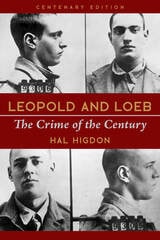
Leopold and Loeb
The Crime of the CenturyHal Higdon
University of Illinois Press, 2024
The 1924 murder of fourteen-year-old Bobby Franks by Nathan Leopold and Richard Loeb shocked the nation. One hundred years later, the killing and its aftermath still reverberate through popular culture and the history of American crime.
Hal Higdon’s true crime classic offers an unprecedented examination of the case. Higdon details Leopold and Loeb’s journey from privilege and promise to the planning and execution of their monstrous vision of the perfect crime. Drawing on secret testimony, Higdon follows the police investigation through the pair’s confessions of guilt and recreates the sensational hearing where Clarence Darrow, the nation’s most famous attorney, saved the pair from the death penalty.
In-depth and definitive, Leopold and Loeb tells the dramatic story of a notorious crime and its long afterlife in the American imagination.