Results by title
87 books match the query 'AIDS (Disease)' and 6 start with m

Men Who Sell Sex
International Perspectives on Male Prostitution and AIDSPeter Aggleton
Temple University Press, 1999
Each chapter, written by a national expert, is based on months and even years of interviews with male sex workers, including young boys and elderly men in some countries. The workers discuss why they do the work, what it is like, and what their behavior means to them. For example, those who have regular sex with men often strenuously affirm their heterosexuality, though there is considerable variety in their attitudes.
Each chapter relates the experiences of the male sex workers to the political economy of their neighborhood and assesses the implications of their work for HIV transmission and the AIDS epidemic. The researchers and the sex workers discuss the value of different kinds of health promotion interventions.
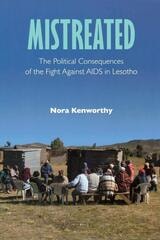
Mistreated
The Political Consequences of the Fight against AIDS in LesothoNora Kenworthy
Vanderbilt University Press, 2017
In Lesotho, which has the world's second highest HIV prevalence, HIV treatment has had unintentional but pervasive political costs, distancing citizens from the government, fostering distrust of health programs, and disrupting the social contract. Based on ethnographic observation between 2008 and 2014, this book chillingly anticipates the political violence and instability that swept through Lesotho in 2014.
This book is a recipient of the Norman L. and Roselea J. Goldberg Prize from Vanderbilt University Press for the best book in the area of medicine.

Modern Nature
Derek Jarman
University of Minnesota Press, 2009
Modernizing Medicine in Zimbabwe
HIV/AIDS and Traditional HealersDavid S. Simmons
Vanderbilt University Press, 2012
Combining anthropological, historical, and public health perspectives, Modernizing Medicine in Zimbabwe explores the intersection of African healing traditions and Western health development, emphasizing the role of this historical relationship in current debates about HIV/AIDS. Drawing on diverse sources including colonial records, missionary correspondence, international health policy reports, and interviews with traditional healers, anthropologist David S. Simmons demonstrates the remarkable adaptive qualities of these disparate communities as they try to meet the urgent needs of the people.
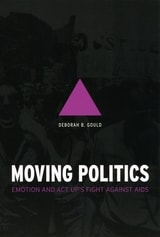
Moving Politics
Emotion and ACT UP's Fight against AIDSDeborah B. Gould
University of Chicago Press, 2009
In the late 1980s, after a decade spent engaged in more routine interest-group politics, thousands of lesbians and gay men responded to the AIDS crisis by defiantly and dramatically taking to the streets. But by the early 1990s, the organization they founded, ACT UP, was no more—even as the AIDS epidemic raged on. Weaving together interviews with activists, extensive research, and reflections on the author’s time as a member of the organization, Moving Politics is the first book to chronicle the rise and fall of ACT UP, highlighting a key factor in its trajectory: emotion.
Surprisingly overlooked by many scholars of social movements, emotion, Gould argues, plays a fundamental role in political activism. From anger to hope, pride to shame, and solidarity to despair, feelings played a significant part in ACT UP’s provocative style of protest, which included raucous demonstrations, die-ins, and other kinds of street theater. Detailing the movement’s public triumphs and private setbacks, Moving Politics is the definitive account of ACT UP’s origin, development, and decline as well as a searching look at the role of emotion in contentious politics.
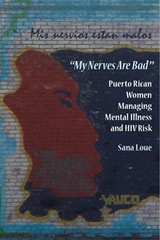
My Nerves Are Bad
Puerto Rican Women Managing Mental Illness and HIV RiskSana Loue
Vanderbilt University Press, 2011
Sana Loue lets us see the remarkable strength of many of the women and hear in their own words about their efforts to survive, despite long histories of childhood physical and sexual abuse, partner violence, substance use, poverty, and severe mental illness. We also witness the violence that surrounds them and the HIV risk that becomes a part of their lives in their efforts to survive economically and emotionally.