Results by title
82 books match the query 'Japanese Americans' and 4 start with n
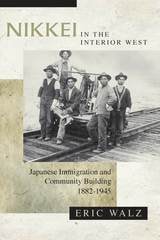
Nikkei in the Interior West
Japanese Immigration and Community Building, 1882–1945Eric Walz
University of Arizona Press, 2012
Eric Walz's Nikkei in the Interior West tells the story of more than twelve thousand Japanese immigrants who settled in the interior West--Arizona, Colorado, Idaho, Nebraska, and Utah. They came inland not as fugitives forced to relocate after Pearl Harbor but arrived decades before World War II as workers searching for a job or as picture brides looking to join husbands they had never met.
Despite being isolated from their native country and the support of larger settlements on the West Coast, these immigrants formed ethnic associations, language schools, and religious institutions. They also experienced persecution and discrimination during World War II in dramatically different ways than the often-studied immigrants living along the Pacific Coast. Even though they struggled with discrimination, these interior communities grew both in size and in permanence to become an integral part of the American West.
Using oral histories, journal entries, newspaper accounts, organization records, and local histories, Nikkei in the Interior West explores the conditions in Japan that led to emigration, the immigration process, the factors that drew immigrants to the interior, the cultural negotiation that led to ethnic development, and the effects of World War II. Examining not only the formation and impact of these Japanese communities but also their interaction with others in the region, Walz demonstrates how these communities connect with the broader Japanese diaspora.

Nisei Sansei
Jere Takahashi
Temple University Press, 1998
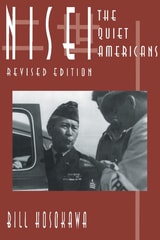
Nisei
The Quiet Americans, Revised EditionBill Hosokawa
University Press of Colorado, 2002
As Hosokawa additionally demonstrates, since World War II, Japanese Americans have achieved exceptional social, economic, and political progress. Their efforts led to apologies by four U.S. presidents for wartime injustices and redress through the landmark Civil Liberties Act of 1988. Brought up-to-date in this newly revised edition, Nisei details the transformation of these "quiet Americans" from despised security risks to respected citizens.
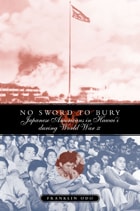
No Sword To Bury
Japanese Americans In HawaiiFranklin S. Odo
Temple University Press, 2004