Results by title
210 books match the query 'African Studies' and 4 start with o
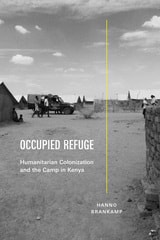
Occupied Refuge
Humanitarian Colonization and the Camp in KenyaHanno Brankamp
Duke University Press, 2026
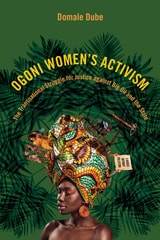
Ogoni Women's Activism
The Transnational Struggle for Justice against Big Oil and the StateDomale Dube
University of Illinois Press, 2025
Dube’s account examines and documents the issues that drew women into the movement, from concerns for themselves and their communities to grander visions for the Ogoni. As she shows, these issues not only influenced organizing in Nigeria but also the diaspora in general and the United States in particular. Ogoni women relied upon nonviolent protest to realize their aims. Dube looks at their campaigns and how their actions reflected their concerns, values, interests, and priorities. The result is a rare account of Black women and transnational organizing for women’s, climate, and environmental justice that merges a history of their involvement with an in-depth analysis of the racial, gender, and ethnic dimensions of the Ogoni Struggle.
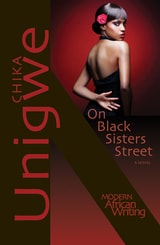
On Black Sisters Street
A NovelChika Unigwe
Ohio University Press, 2012

Otium
An Anthropology of Work, Freedom, and Common Ground in the Global EconomyGregor Dobler
Lever Press, 2026
By constantly seeking higher yields of capital, today’s global economy changes how people around the world relate to time and productivity. Labor demands within the bounds of wage work accelerate, while people outside of wage work often remain marginalized and with too much unproductive time on their hands. In this ethnography of global labor, Gregor Dobler accompanies different groups of people in their attempts to find time autonomy and meaning in their everyday lives. He shows how moments of otium—moments when we feel free from the external constraints of work and capitalist definitions of productivity—can become productive in new ways. Otium leads individuals to new ideas and dreams, and becomes a source for critique and political renewal. Chapters focus on peasant work and unemployment in Northern Namibia; the pitfalls of free time on a Breton island shaped by early retirement; the gendered effects of combining care work and wage work in Swiss middle-class families; and the elasticity of the academic labor of writing and research in the US. Weaving together these ethnographies of work, leisure, and care, Otium presents a political anthropology of the possibilities for human freedom under capitalism, and advances post-work debates from a global perspective.