Results by title
57 books match the query 'Hunting' and 3 start with p
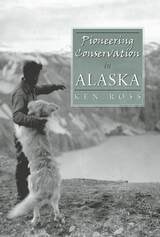
Pioneering Conservation in Alaska
Ken Ross
University Press of Colorado, 2006
The Alaskan frontier tempted fur traders, whalers, salmon fishers, gold miners, hunters, and oilmen to take what they could without regard for long-term consequences. Wildlife species, ecosystems, and Native cultures suffered, sometimes irreparably. Damage to wildlife and lands drew the attention of environmentalists, including John Muir, who applied their influence to enact wildlife protection laws and set aside lands for conservation. Alaska served as a testing ground for emergent national resource policy in the United States, as environmental values of species and ecosystem sustainability replaced the unrestrained exploitation of Alaska's early frontier days.
Efforts of conservation leaders and the territory's isolation, small human population, and late development prevented widespread destruction and gave Americans a unique opportunity to protect some of the world's most pristine wilderness.
Enhanced by more than 100 photographs, Pioneering Conservation in Alaska illustrates the historical precedents for current natural resource disputes in Alaska and will fascinate readers interested in wildlife and conservation.
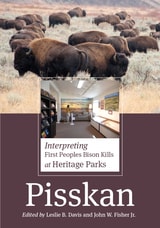
Pisskan
Interpreting First Peoples Bison Kills at Heritage ParksEdited by Leslie B. Davis and John W. Fisher, Jr.
University of Utah Press, 2016
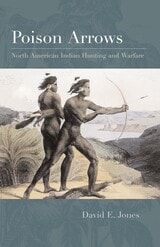
Poison Arrows
North American Indian Hunting and WarfareBy David E. Jones
University of Texas Press, 2007
Biological warfare is a menacing twenty-first-century issue, but its origins extend to antiquity. While the recorded use of toxins in warfare in some ancient populations is rarely disputed (the use of arsenical smoke in China, which dates to at least 1000 BC, for example) the use of "poison arrows" and other deadly substances by Native American groups has been fraught with contradiction. At last revealing clear documentation to support these theories, anthropologist David Jones transforms the realm of ethnobotany in Poison Arrows.
Examining evidence within the few extant descriptive accounts of Native American warfare, along with grooved arrowheads and clues from botanical knowledge, Jones builds a solid case to indicate widespread and very effective use of many types of toxins. He argues that various groups applied them to not only warfare but also to hunting, and even as an early form of insect extermination. Culling extensive ethnological, historical, and archaeological data, Jones provides a thoroughly comprehensive survey of the use of ethnobotanical and entomological compounds applied in wide-ranging ways, including homicide and suicide. Although many narratives from the contact period in North America deny such uses, Jones now offers conclusive documentation to prove otherwise.
A groundbreaking study of a subject that has been long overlooked, Poison Arrows imparts an extraordinary new perspective to the history of warfare, weaponry, and deadly human ingenuity.