Results by title
61 books match the query 'Nineteenth Century' and 4 start with p

Physics in the Nineteenth Century
Purrington, Robert
Rutgers University Press, 1997

Polish Theatre Revisited
Theatre Fans in the Nineteenth CenturyAgata Luksza
University of Iowa Press, 2023
ASTR Barnard Hewitt Award, Finalist
Polish Theatre Revisited explores nineteenth-century Polish theatre through the lens of theatre audiences. Agata Łuksza places special emphasis on the most engaged spectators, known as “theatremaniacs”—from what they wore, to what they bought, to what they ate. Her source material is elusive ephemera from fans’ lives, such as notes scribbled on a weekly list of shows in the Warsaw theatres, collections of theatre postcards, and recipes for sweets named after famous actors.
The fannish behavior of theatremaniacs was usually deemed excessive or in poor taste by people in positions of power, as it clashed with the ongoing embourgeoisement of the theatre and the disciplining of audiences. Nevertheless, the theatre was one of the key areas where early fan cultures emerged, and theatremaniacs indulged in diverse fan practices in opposition to the forces reforming the theatre and its spectatorship.
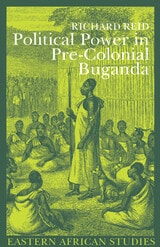
Political Power in Pre-Colonial Buganda
Economy, Society, and Warfare in the Nineteenth CenturyRichard Reid
Ohio University Press, 2002
Blessed with fertile and well-watered soil, East Africa’s kingdom of Buganda supported a relatively dense population and became a major regional power by the mid-nineteenth century. This complex and fascinating state has also long been in need of a thorough study that cuts through the image of autocracy and military might.
Political Power in Pre-Colonial Buganda explores the material basis of Ganda political power, gives us a new understanding of what Ganda power meant in real terms, and relates the story of how the kingdom used the resources at its disposal to meet the challenges that confronted it. Reid further explains how these same challenges ultimately limited Buganda’s dominance of the East African great lakes region.
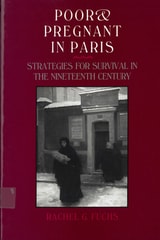
Poor and Pregnant in Paris
Strategies for Survival in the Nineteenth CenturyRachel G Fuchs
Rutgers University Press, 1992
Rachel Fuchs shows how poor urban women in Paris negotiated their environment, and in some respects helped shape it, in their attempt to cope with their problems of poverty and pregnancy. She reveals who the women were and provides insight into the nature of their work and living arrangements. With dramatic detail, and drawing on actual court testimonies, Fuchs portrays poor women's childbirth experiences, their use of charity and welfare, and their recourse to abortion and infanticide as desperate alternatives to motherhood.
Fuchs also provides a comprehensive description of philanthropic and welfare institutions and outlines the relationship between the developing welfare state and official conceptions of womanhood. She traces the evolution of a new morality among policymakers in which secular views, medical hygiene, and a new focus on the protection of children replaced religious morality as a driving force in policy formation.
Combining social, intellectual, and medical history, this study of poor mothers in nineteenth-century society illuminates both class and gender relations in Paris, and illustrates the connection between social policy and the way ordinary women lived their lives.