Results by title
195 books match the query 'Utah' and 3 start with p

Plain but Wholesome
Foodways of the Mormon PioneersBrock Cheney
University of Utah Press, 2012
Plain But Wholesome presents a groundbreaking foray into Mormon history. Brock Cheney explores the foodways of Mormon pioneers from their trek west through the arrival of the railroad and reveals new perspectives on the fasci-nating Mormon settlement era. Relying on original diaries, newspaper accounts, and recipe books from the 1850s, Cheney draws a vivid portrait of what Mormon pioneers ate and drank. Although other authors have sketched the subject before, this portrait is the first effort that might be described as scholarly, though the lively prose will interest a broad general audience.
Presented here are the first explicit descriptions of the menus, food processes, and recipes of the Mormon pioneers. While many have supposed that earlier pioneer foodways continued to be handed down through Mormon families, Cheney has confirmed traditions going back generations and covering more than a century. The book also exposes myths and clichés about pioneer piety and hardships, as Cheney examines such pioneer extravagances as fresh “oysters on the half shell” and pioneer trends of alcohol consumption.
A perfect gift for the history buff or Dutch oven chef, Plain But Wholesome will also prove its place among scholars and historians. With its rollicking blend of historical source material and modern interpretation, this book will entertain and educate novice and expert alike.
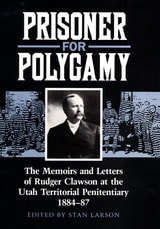
Prisoner for Polygamy
The Memoirs and Letters of Rudger Clawson at the Utah Territorial Penitentiary, 1884-87Edited by Stan Larson
University of Illinois Press, 1993
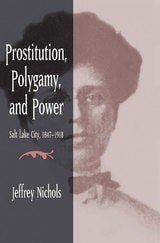
Prostitution, Polygamy, and Power
Salt Lake City, 1847-1918Jeffrey Nichols
University of Illinois Press, 2002
Jeffrey Nichols examines how prostitution became a focal point in the moral contest between Mormons and gentiles and aided in the construction of gender systems, moral standards, and the city's physical and economic landscapes. Gentiles likened polygamy to prostitution and accused polygamous Mormons of violating Christian norms of family structure and sexual behavior. Defending their church and its ideals, Mormons blamed gentiles for introducing the sinful business of prostitution into their honorable city. Nichols traces the interplay of prostitution and reform from the 1890s, when the Church of Jesus Christ of Latter-day Saints began to move away from polygamy, to World War I, when Mormon and gentile moral codes converged at the expense of prostitutes. He also considers how the conflict over polygamy distinguished Salt Lake City from other cities struggling to abolish prostitution in the Progressive Era.