Results by title
66 books match the query 'Central' and 2 start with s
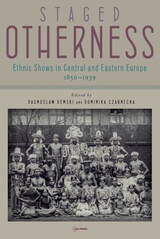
Staged Otherness
Ethnic Shows in Central and Eastern Europe, 1850–1939Dagnoslaw Demski
Central European University Press, 2022
The cultural phenomenon of exhibiting non-European people in front of the European audiences in the 19th and 20th century was concentrated in the metropolises in the western part of the continent. Nevertheless, traveling ethnic troupes and temporary exhibitions of non-European humans took place also in territories located to the east of the Oder river and Austria. The contributors to this edited volume present practices of ethnographic shows in Russia, Poland, Czechia, Slovenia, Hungary, Germany, Romania, and Austria and discuss the reactions of local audiences. The essays offer critical arguments to rethink narratives of cultural encounters in the context of ethnic shows. By demonstrating the many ways in which the western models and customs were reshaped, developed, and contested in Central and Eastern European contexts, the authors argue that the dominant way of characterizing these performances as “human zoos” is too narrow.
The contributors had to tackle the difficult task of finding traces other than faint copies of official press releases by the tour organizers. The original source material was drawn from local archives, museums, and newspapers of the discussed period. A unique feature of the volume is the rich amount of images that complement every single case study of ethnic shows.
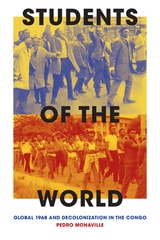
Students of the World
Global 1968 and Decolonization in the CongoPedro Monaville
Duke University Press, 2022