Results by title
341 books match the query 'Cooking' and 83 start with t

T-Bone Whacks and Caviar Snacks
Cooking with Two Texans in Siberia and the Russian Far EastSharon Hudgins
University of North Texas Press, 2018
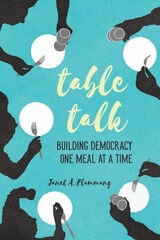
Table Talk
Building Democracy One Meal at a TimeJanet A. Flammang
University of Illinois Press, 2016
The civic virtues of a seat at the table
Etiquette books insist that we never discuss politics during a meal. In Table Talk, Janet A. Flammang offers a polite rebuttal, presenting vivid firsthand accounts of people's lives at the table to show how mealtimes can teach us the conversational give-and-take foundational to democracy. Delving into the ground rules about listening, sharing, and respect that we obey when we break bread, Flammang shows how conversations and table activities represent occasions for developing our civil selves. If there are cultural differences over practices--who should speak, what behavior is acceptable, what topics are off limits, how to resolve conflict--our exposure to the making, enforcement, and breaking of these rules offers a daily dose of political awareness and growth. Political table talk provides a forum to practice the conversational skills upon which civil society depends. It also ignites the feelings of respect, trust, and empathy that undergird the idea of a common good that is fundamental to the democratic process.
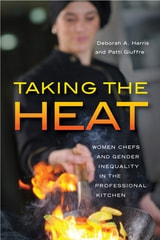
Taking the Heat
Women Chefs and Gender Inequality in the Professional KitchenHarris, Deborah A
Rutgers University Press, 2015
Click here to access the Taking the Heat teaching guide (https://d3tto5i5w9ogdd.cloudfront.net/wp-content/uploads/2021/09/02142601/Taking-the-Heat-Questions-for-Instructors.docx).
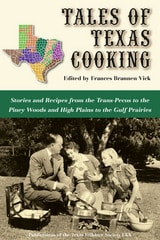
Tales of Texas Cooking
Stories and Recipes from the Trans Pecos to the Piney Woods and High Plains to the Gulf PrairiesFrances Brannen Vick
University of North Texas Press, 2015
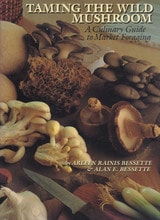
Taming the Wild Mushroom
A Culinary Guide to Market ForagingBy Arleen Rainis Bessette and Alan E. Bessette
University of Texas Press, 1993
Many mushroom hunters prefer to do their foraging in the marketplace, where all the mushrooms are clearly labeled and safely edible. With this fact in mind, Arleen and Alan Bessette have written Taming the Wild Mushroom, one of the first cooking guides devoted exclusively to choosing and preparing the mushroom species now available in many grocery stores, supermarkets, and natural and whole foods markets.
A dozen wild and cultivated species are covered in the book, including White Button, King Bolete, Oyster, Chanterelle, Morel, Paddy Straw, Wood Ear, Shiitake, Enokitake, White Matsutake, Black Truffle, and Wine-cap Stropharia. Easy-to-understand descriptions and excellent color photographs of each species help market foragers choose mushrooms in peak condition. Fifty-seven original, species-specific recipes, from appetizers, soups, and salads to meat and vegetarian entrees to sauces and accompaniments, offer dozens of ways to savor the familiar and exotic flavors of these mushrooms. A mouth-watering photograph accompanies each recipe.
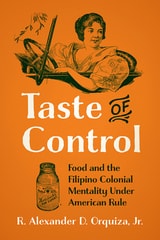
Taste of Control
Food and the Filipino Colonial Mentality under American RuleR. Alexander D. Orquiza, Jr.
Rutgers University Press, 2020
Winner of the 2021 Gourmand Awards, Asian Section & Culinary History Section
Filipino cuisine is a delicious fusion of foreign influences, adopted and transformed into its own unique flavor. But to the Americans who came to colonize the islands in the 1890s, it was considered inferior and lacking in nutrition. Changing the food of the Philippines was part of a war on culture led by Americans as they attempted to shape the islands into a reflection of their home country.
Taste of Control tells what happened when American colonizers began to influence what Filipinos ate, how they cooked, and how they perceived their national cuisine. Food historian René Alexander D. Orquiza, Jr. turns to a variety of rare archival sources to track these changing attitudes, including the letters written by American soldiers, the cosmopolitan menus prepared by Manila restaurants, and the textbooks used in local home economics classes. He also uncovers pockets of resistance to the colonial project, as Filipino cookbooks provided a defense of the nation’s traditional cuisine and culture.
Through the topic of food, Taste of Control explores how, despite lasting less than fifty years, the American colonial occupation of the Philippines left psychological scars that have not yet completely healed, leading many Filipinos to believe that their traditional cooking practices, crops, and tastes were inferior. We are what we eat, and this book reveals how food culture served as a battleground over Filipino identity.
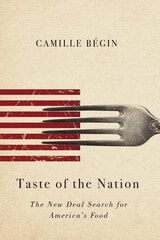
Taste of the Nation
The New Deal Search for America's FoodCamille Bégin
University of Illinois Press, 2016
Camille Begin shapes a cultural and sensory history of New Deal-era eating from the FWP archives. From "ravioli, the diminutive derbies of pastries, the crowns stuffed with a well-seasoned paste" to barbeque seasoning that integrated "salt, black pepper, dried red chili powder, garlic, oregano, cumin seed, and cayenne pepper" while "tomatoes, green chili peppers, onions, and olive oil made up the sauce", Begin describes in mouth-watering detail how Americans tasted their food. They did so in ways that varied, and varied widely, depending on race, ethnicity, class, and region. Begin explores how likes and dislikes, cravings and disgust operated within local sensory economies that she culls from the FWP’s vivid descriptions, visual cues, culinary expectations, recipes and accounts of restaurant meals. She illustrates how nostalgia, prescriptive gender ideals, and racial stereotypes shaped how the FWP was able to frame regional food cultures as "American."
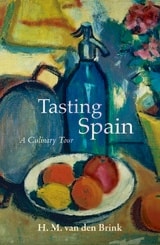
Tasting Spain
A Culinary TourH. M. van den Brink
Haus Publishing, 2017
H. M. van den Brink paints an evocative scene of everyday life in Spain. Readers see the urban shop windows displaying famous serrano ham and Spanish sweet cakes, taste crispy pigs’ ears along with rich chickpea soup, and smell the strong coffee and steaming tortillas often enjoyed while breakfasting outdoors. An appealing blend of historical background and personal recollections, Tasting Spain shapes a lively account of the country and its culture, both in the city and out in the countryside. From exquisite restaurants to private settings, this is a book about eating—meals that Van den Brink has enjoyed solo or with friends—and about the vivid and sustaining memories such meals can create.
“I am not a cook, nor a historian, nor a critic,” writes Van den Brink. “I am just an eater.” With Tasting Spain, he opens new vistas on Spanish cuisine that will tickle the taste buds of readers and leave them hungry for more of this beautiful land.
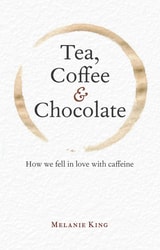
Tea, Coffee & Chocolate
How We Fell in Love with CaffeineMelanie King
Bodleian Library Publishing, 2015
In her mouthwatering new book, Melanie King offers a concise cultural history. All three beverages hail from faraway places: tea came first from China, coffee from the Middle East, and chocolate from Central America. Physicians and politicians alike were quick to comment in newspapers and popular periodicals on their supposed perils or health benefits. Readers learn that coffee was recommended in the seventeenth century as protection against the bubonic plague. Tea was thought to make women unattractive and men “unfit to do their business,” while a cup of chocolate was supposed to have exactly the opposite effect on the drinker’s sex life and physical appearance. As consumption of these newly discovered delicacies grew, merchants seized on the opportunity by setting up coffee houses or encouraging ever-more-elaborate tea-drinking rituals.
Filled with fascinating and often funny anecdotes—from a goatherd whose flock became frisky after eating coffee berries to a duchess with a goblet of poisoned chocolate, Tea, Coffee & Chocolate shows how the rowdy initial reception of these drinks forms the roots of today’s enduring caffeine culture.
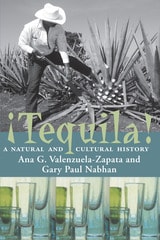
Tequila
A Natural and Cultural HistoryAna G. Valenzuela-Zapata and Gary Paul Nabhan
University of Arizona Press, 2004
The drink is tequila—more properly, mescal de tequila, the first mescal to be codified and recognized by its geographic origin and the only one known internationally by that name. In ¡Tequila! A Natural and Cultural History, Ana G. Valenzuela-Zapata, the leading agronomist in Mexico's tequila industry, and Gary Paul Nabhan, one of America's most respected ethnobotanists, plumb the myth of tequila as they introduce the natural history, economics, and cultural significance of the plants cultivated for its production.
Valenzuela-Zapata and Nabhan take you into the agave fields of Mexico to convey their passion for the century plant and its popular by-product. In the labor-intensive business of producing quality mescal, the cultivation of tequila azul is maintained through traditional techniques passed down over generations. They tell how jimadores seek out the mature agaves, strip the leaves, and remove the heavy heads from the field; then they reveal how the roasting and fermentation process brings out the flavors that cosmopolitan palates crave.
Today in Oaxaca it's not unusual to find small-scale mescal-makers vending their wares in the market plaza, while in Jalisco the scale of distillation facilities found near the town of Tequila would be unrecognizable to old José Cuervo. Valenzuela-Zapata and Nabhan trace tequila's progress from its modest beginnings to one of the world's favored spirits, tell how innovations from cross-cultural exchanges made fortunes for Cuervo and other distillers, and explain how the meteoric rise in tequila prices is due to an epidemic—one they predicted would occur—linked to the industry's cultivation of just one type of agave.
The tequila industry today markets more than four hundred distinct products through a variety of strategies that heighten the liquor's mystique, and this book will educate readers about the grades of tequila, from blanco to añejo, and marks of distinction for connoisseurs who pay up to two thousand dollars for a bottle. ¡Tequila! A Natural and Cultural History will feed anyone's passion for the gift of the blue agave as it heightens their appreciation for its rich heritage.
Texas Monthly On . . .
FoodFrom the editors of <em>Texas Monthly</em>
University of Texas Press, 2008
From reviews of the newest, hippest restaurants in cities across Texas to stories about the comfort foods we all love, Texans have long relied on Texas Monthly to dish up some of the best writing about food in the Lone Star state. This anthology brings together twenty-eight classic articles about food in Texas and the culture that surrounds it—markets that purvey exotic and traditional foods, well-known chefs, tributes to the cooks and cookbooks of days gone by, and even a feature on how to open a restaurant. Many of the articles are by Patricia Sharpe, Texas Monthly's longtime restaurant critic and winner of the James Beard Journalism Award for Magazine Feature Writing without Recipes. Joining her are Texas Monthly editor Evan Smith and contributors Gary Cartwright, Jordan MacKay, Skip Hollandsworth, Pamela Colloff, Anne Dingus, Suzy Banks, Joe Nick Patoski, and Prudence Mackintosh.
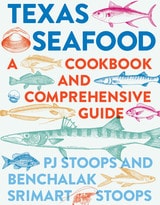
Texas Seafood
A Cookbook and Comprehensive GuideBy PJ Stoops and Benchalak Srimart Stoops
University of Texas Press, 2019
The abundance of seafood available from the northwest Gulf of Mexico includes hundreds of delicious species that are often overlooked by consumers. Celebrating this regional bounty, Texas Seafood showcases the expertise of longtime fishmongers and chefs PJ and "Apple Srimart" Stoops. Readers will find familiar fish like Red Snapper along with dozens of little-known finfish and invertebrates, including tunas, mackerels, rays, and skates, as well as bivalves, shrimps, crabs, and other varieties, many of which are considered “bycatch” (seafood that a fisher didn’t intend to catch), but that are no more difficult to prepare and just as delicious as those commonly found at your local supermarket.
The Stoopses provide a complete primer on sourcing these wild-caught delicacies, with fascinating details about habitats and life cycles as well as practical advice on how to discern quality. Texas Seafood concludes with simple, delectable recipes, many infused with the flavors of Apple’s Thai heritage. Dishes such as Steamed Curried Crab, Crispy White Shrimp, Escolar on a Grill with Green Mango Salad, Cast-Iron-Roasted Shortfin Mako Shark with Rio Grande Grapefruit, and Chicken-Fried Ribbonfish are just a few ways to savor the best of the Gulf.

Texas Tortes
By Arthur L. Meyer
University of Texas Press, 1997
With layer upon layer of rich, dense cake and delicate buttercream subtly flavored with fruit, chocolate, or nuts, classic European tortes crown the pinnacle of Old World baking. Make them with the freshest produce of the fields and orchards of Texas—oranges, peaches, pecans, raspberries, blueberries, plums, apricots, figs, strawberries, and kiwis—and you will discover the New World's ultimate desserts.
In this cookbook, Master Baker Arthur L. Meyer presents forty-three original, kitchen-tested recipes for fruit, nut, and chocolate tortes, cassate, tarts and pies, cheesecakes, and other classic European desserts. The recipes take advantage of fresh Texas ingredients, and each recipe contains clear, easy-to-follow instructions that demystify the processes involved in creating these desserts.
In addition to the recipes, Meyer guides the home baker through the basic steps in producing tart and cheesecake crusts, fillings and icings, and other standard components of special desserts. Throughout the book, he gives tips on proper techniques and equipment drawn from many years of experience.
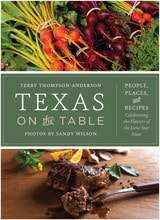
Texas on the Table
People, Places, and Recipes Celebrating the Flavors of the Lone Star StateBy Terry Thompson-Anderson, Photos by Sandy Wilson
University of Texas Press, 2014
With a bounty of locally grown meats and produce, artisanal cheeses, and a flourishing wine culture, it’s a luscious time to be cooking in Texas. From restaurant chefs to home cooks, Texans are going to local dairies, orchards, farmers’ markets, ranches, vineyards, and seafood sellers to buy the very freshest ingredients, whether we’re cooking traditional favorites or the latest haute cuisine. We’ve discovered that Texas terroir—our rich variety of climates and soils, as well as our diverse ethnic cultures—creates a unique “taste of place” that gives Texas food a flavor all its own.
Written by one of Texas’s leading cookbook authors, Terry Thompson-Anderson, Texas on the Table presents 150 new and classic recipes, along with stories of the people—farmers, ranchers, shrimpers, cheesemakers, winemakers, and chefs—who inspired so many of them and who are changing the taste of Texas food. The recipes span the full range from finger foods and first courses to soups and breads, salads, seafood, chicken, meat (including wild game), sides and vegetarian dishes, and sweets. Some of the recipes come from the state’s most renowned chefs, and all are user-friendly for home cooks. Finally, the authors and winemakers tell which recipes they turn to when opening their favorite wines.
This delicious compilation of recipes and stories of the people behind them, illustrated with Sandy Wilson’s beautiful photographs, makes Texas on the Table the must-have cookbook for everyone who relishes the flavors of the Lone Star State.
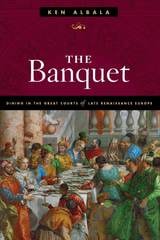
The Banquet
Dining in the Great Courts of Late Renaissance EuropeKen Albala
University of Illinois Press, 2017
In The Banquet, Ken Albala covers the transitional period between the heavily spiced and colored cuisine of the Middle Ages and classical French haute cuisine. This development involved increasing use of dairy products, a move toward lighter meats such as veal and chicken, increasing identification of national food customs, more sweetness and aromatics, and a refined aesthetic sense, surprisingly in line with the late-Renaissance styles found in other arts.
The Best Casserole Cookbook Ever
Beatrice Ojakangas
University of Minnesota Press, 2022
500 casseroles for every occasion—sweet and savory, hearty and light, homey and festive—from beloved James Beard Cookbook Hall of Famer Beatrice Ojakangas
A good cook once said that a casserole is a blend of inspiration and what’s on hand. Add to that a generous helping of know-how, and you’ve got The Best Casserole Cookbook Ever.
Call it a hotdish, covered dish, or casserole—in these pages, you’ll find one-dish meals for every season and any occasion, put together with James Beard Cookbook Hall of Famer Beatrice Ojakangas’s customary common sense and uncommon culinary flair. For breakfast, there are make-ahead strata and quiches or last-minute offerings like baked omelets and Eggs Florentine; for lunches and brunches, light fare or full-on midday meals; and for dinner a dizzying array of dishes, meaty or vegetarian, made with fresh ingredients or pantry staples—from Pork Chops with Apple Stuffing to Baked Spaghetti, Southwestern Beans, or Autumn Vegetable Stew. Leave room for dessert, because Ojakangas includes sweet casseroles like Mocha Fudge Pudding and Strawberry Rhubarb Crisp. And for appetizers and snacks there are dips, spreads, and slathers; mini quiches and omelet squares; and mushrooms au gratin, curried, or stuffed. You’ll even find bread here in casserole form, from sweet Cinnamon Bubble Bread to savory Cornmeal Spoon Bread and tender Sally Lunn.
With an ever-reliable and inspired sense of how to create a delicious meal, Ojakangas has advice for both expert and novice about ingredients, equipment, and meals. Combine that with whatever you have in the pantry and fridge, and this cookbook is the perfect guide to everything that a casserole might be.
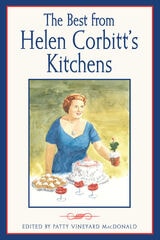
The Best from Helen Corbitt's Kitchens
Patty Vineyard MacDonald
University of North Texas Press, 2000
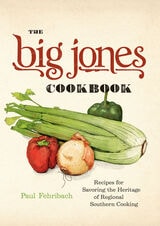
The Big Jones Cookbook
Recipes for Savoring the Heritage of Regional Southern CookingPaul Fehribach
University of Chicago Press, 2015
You expect to hear about restaurant kitchens in Charleston, New Orleans, or Memphis perfecting plates of the finest southern cuisine—from hearty red beans and rice to stewed okra to crispy fried chicken. But who would guess that one of the most innovative chefs cooking heirloom regional southern food is based not in the heart of biscuit country, but in the grain-fed Midwest—in Chicago, no less? Since 2008, chef Paul Fehribach has been introducing Chicagoans to the delectable pleasures of Lowcountry cuisine, while his restaurant Big Jones has become a home away from home for the city’s southern diaspora. From its inception, Big Jones has focused on cooking with local and sustainably grown heirloom crops and heritage livestock, reinvigorating southern cooking through meticulous technique and the unique perspective of its Midwest location. And with The Big Jones Cookbook, Fehribach brings the rich stories and traditions of regional southern food to kitchens everywhere.
Fehribach interweaves personal experience, historical knowledge, and culinary creativity, all while offering tried-and-true takes on everything from Reezy-Peezy to Gumbo Ya-Ya, Chicken and Dumplings, and Crispy Catfish. Fehribach’s dishes reflect his careful attention to historical and culinary detail, and many recipes are accompanied by insights about their origins. In addition to the regional chapters, the cookbook features sections on breads, from sweet potato biscuits to spoonbread; pantry put-ups like bread and butter pickles and chow-chow; cocktails, such as the sazerac; desserts, including Sea Island benne cake; as well as an extensive section on snout-to-tail cooking, including homemade Andouille and pickled pigs’ feet.
Proof that you need not possess a thick southern drawl to appreciate the comfort of creamy grits and the skill of perfectly fried green tomatoes, The Big Jones Cookbook will be something to savor regardless of where you set your table.
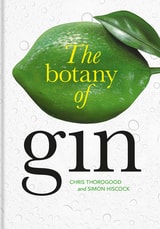
The Botany of Gin
Chris Thorogood and Simon Hiscock
Bodleian Library Publishing, 2020
From its roots in ancient Greek herbal medicine, the popular spirit we now know as gin was first established by the Dutch in the sixteenth century as a juniper-infused tincture to cure fevers. During London’s “gin craze” in the eighteenth century, the spirit gained popularity—and notoriety—as consumption increased rapidly. In recent years, gin has enjoyed a resurgence, with botanical flavorings offering refined new ways to enjoy the classic cocktail.
With this volume, Chris Thorogood and Simon Hiscock provide an account of how gin has been developed and produced. A diverse assortment of aromatic plants from around the world have been used in the production of gin over the course of several centuries, and each combination of botanicals yields a unique flavor profile that equates to more than the sum of its parts. Understanding the different types of formulation, and the main groups of plants used therein, is central to appreciating the drink’s complexities and subtleties. Garnished with sumptuous illustrations of the plants that tell the story of this complex drink, this enticing book delves into the botany of gin from root to branch. As this book’s extraordinary range of featured ingredients shows, gin is a quintessentially botanical beverage with a rich history like no other.
The Chicago Food Encyclopedia
Edited by Carol Mighton Haddix, Bruce Kraig, and Colleen Taylor Sen: Foreword by Russell Lewis
University of Illinois Press, 2017
The College Graces of Oxford and Cambridge
Compiled by Reginald H. Adams
Bodleian Library Publishing, 2013
Following a historical introduction, The College Graces of Oxford and Cambridge reproduces in chronological order the full Latin texts of all the graces alongside facing English-language translations. Also included are the special graces reserved for feast days, as well as an explanation of some of the traditions that accompany them, including the trumpeters that summon students to dinner to the use of the Sconce Cup and the Rose Bowl.
From the twelfth-century monastic texts and the two-word graces of the nineteenth century to the new graces written for the modern age, this meticulous collection reveals how the tradition of the Latin grace has survived and evolved over the centuries and offers a rare glimpse inside the private halls of Oxford and Cambridge.
The Complete Vegetarian
The Essential Guide to Good HealthEdited by Peggy Carlson M.D.
University of Illinois Press, 2009
Essential and in-depth The Complete Vegetarian is an invaluable guide for health professionals and the growing number of people who have adopted or want to adopt a vegetarian lifestyle.
The Cooking of History
How Not to Study Afro-Cuban ReligionStephan Palmié
University of Chicago Press, 2013
The Culinarians
Lives and Careers from the First Age of American Fine DiningDavid S. Shields
University of Chicago Press, 2017
This fascinating culinarian is John Dabney (1821–1900), who was born a slave, but later built an enterprising catering business. Dabney is just one of 175 influential cooks and restaurateurs profiled by David S. Shields in The Culinarians, a beautifully produced encyclopedic history of the rise of professional cooking in America from the early republic to Prohibition.
Shields’s concise biographies include the legendary Julien, founder in 1793 of America’s first restaurant, Boston’s Restorator; and Louis Diat and Oscar of the Waldorf, the men most responsible for keeping the ideal of fine dining alive between the World Wars. Though many of the gastronomic pioneers gathered here are less well known, their diverse influence on American dining should not be overlooked—plus, their stories are truly entertaining. We meet an African American oyster dealer who became the Congressional caterer, and, thus, a powerful broker of political patronage; a French chef who was a culinary savant of vegetables and drove the rise of California cuisine in the 1870s; and a rotund Philadelphia confectioner who prevailed in a culinary contest with a rival in New York by staging what many believed to be the greatest American meal of the nineteenth century. He later grew wealthy selling ice cream to the masses. Shields also introduces us to a French chef who brought haute cuisine to wealthy prospectors and a black restaurateur who hosted a reconciliation dinner for black and white citizens at the close of the Civil War in Charleston.
Altogether, Culinarians is a delightful compendium of charcuterie-makers, pastry-pipers, caterers, railroad chefs, and cooking school matrons—not to mention drunks, temperance converts, and gangsters—who all had a hand in creating the first age of American fine dining and its legacy of conviviality and innovation that continues today.
The Culinary Crescent
A History of Middle Eastern CuisinePeter Heine
Gingko, 2018
In The Culinary Crescent: A History of Middle Eastern Cuisine, Peter Heine combines years of scholarship with a personal passion: his knowledge of the cookery traditions of the Umayyad, Abbasid, Ottoman, Safavid, and Mughal courts is matched only by his love for the tastes and smells produced by the contemporary cooking of these areas today. In addition to offering a fascinating history, Heine presents more than one hundred recipes—from the modest to the extravagant—with dishes ranging from those created by the “celebrity chefs” of the bygone Mughal era, up to gastronomically complex presentations of modern times.
Beautifully produced, designed for both reading and cooking, and lavishly illustrated in color throughout, The Culinary Crescent is sure to provide a delectable window in the history of food in the Middle East.
The Eater's Guide to Chinese Characters
James D. McCawley
University of Chicago Press, 1984
With this guide in hand, English speakers hold the key to a world of tantalizing—and otherwise unavailable—Chinese dishes.
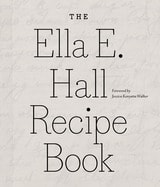
The Ella E. Hall Recipe Book
Ella E. Hall Foreword by Jessica Kenyatta Walker
University of Michigan Press, 2026
Ella E. Hall, a Black cook and landlord in Ann Arbor, Michigan, collected her favorite recipes in a journal between 1920 and 1939. Published for the first time, Hall’s recipe book contains not only recipes from family and friends, but also articles, clippings, and advertisements, which provide a glimpse into the food culture and daily life of the time. The book includes over 50 recipes that will interest and delight food historians, like sour milk griddle cakes, Lady Baltimore cake, pepper hash, green tomatoes pickles, campfire pineapple ham, and beverages such as root beer, ginger ale, and even home-brewed beer. This recipe book has been held in the Janice Bluestein Longone Culinary Archive within the Special Collections Research Center at the University of Michigan Library, and this first published edition makes Hall’s charming collection accessible to more readers. Introductory essays by Jessica Kenyatta Walker, scholar of African American history and foodways, and Susan Wineberg, who found and donated the recipe collection to the Special Collections Research Center, flesh out Ella Hall’s story and help position this book in the context of Ann Arbor in the first half of the twentieth century.
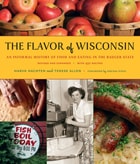
The Flavor of Wisconsin
An Informal History of Food and Eating in the Badger StateHarva Hachten
Wisconsin Historical Society Press, 2023
While in many ways the first edition of The Flavor of Wisconsin has stood the test of time very well, food-related culture and business have changed immensely in the twenty-five years since its publication. Well-known regional food expert and author Terese Allen examines aspects of food, cooking, and eating that have changed or emerged since the first edition, including the explosion of farmers' markets; organic farming and sustainability; the "slow food" movement; artisanal breads, dairy, herb growers, and the like; and how relatively recent immigrants have contributed to Wisconsin's remarkably rich food scene.
The Food Lovers' Anthology
A Literary CompendiumEdited by the Bodleian Library
Bodleian Library Publishing, 2014
“He was a bold man that first ate an oyster.”—Jonathan Swift
“There is no love sincerer than the love of food,” wrote George Bernard Shaw in 1903. Poets, novelists, chefs, and gourmands before and after him would seem to agree. Collected in this anthology is a mouthwatering selection of excerpts on the subject of eating, drinking, cooking, and serving food that is guaranteed to whet every reader’s appetite.
Themed sections group together poetry and prose on grapes and bottles, the ideal cuisine, hangover cures, and vivid vignettes about dinner party behavior. There are stories about food fit for kings, a duchess’s “rumblings abdominal,” fine dining, eating abroad, cooking at home, and gastronomic excesses. A section on food and travel features Edmund Hillary’s meal at the summit of Everest, Ernest Shackleton’s dish of penguin in the Antarctic, and Joshua Slocum on the unfortunate effects of cheese and plums while sailing solo around the world. Also on the menu are limericks, short-tempered cooks, recipes, fantasy food, special feasts, iron rations, tips on opening oysters, and the uses and abuses of coffee.
Featuring writers as diverse as Jean Anthelme Brillat-Savarin, Edward Lear, John Keats, Charles Dickens, Maria Edgeworth, and Marcel Proust, garnished with a generous helping of cartoons, this is a perfect gift for foodies, chefs, picnickers, and epicurean explorers.
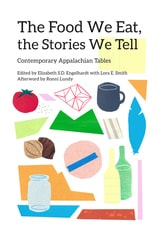
The Food We Eat, the Stories We Tell
Contemporary Appalachian TablesElizabeth S. D. Engelhardt
Ohio University Press, 2019
Blue Ridge tacos, kimchi with soup beans and cornbread, family stories hiding in cookbook marginalia, African American mountain gardens—this wide-ranging anthology considers all these and more. Diverse contributors show us that contemporary Appalachian tables and the stories they hold offer new ways into understanding past, present, and future American food practices. The poets, scholars, fiction writers, journalists, and food professionals in these pages show us that what we eat gives a beautifully full picture of Appalachia, where it’s been, and where it’s going.
Contributors: Courtney Balestier, Jessie Blackburn, Karida L. Brown, Danille Elise Christensen, Annette Saunooke Clapsaddle, Michael Croley, Elizabeth S. D. Engelhardt, Robert Gipe, Suronda Gonzalez, Emily Hilliard, Rebecca Gayle Howell, Abigail Huggins, Erica Abrams Locklear, Ronni Lundy, George Ella Lyon, Jeff Mann, Daniel S. Margolies, William Schumann, Lora E. Smith, Emily Wallace, Crystal Wilkinson
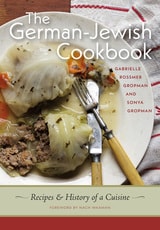
The German-Jewish Cookbook
Recipes and History of a CuisineGabrielle Rossmer Gropman and Sonya Gropman
Brandeis University Press, 2017
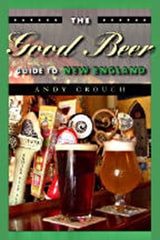
The Good Beer Guide to New England
Andy Crouch
University Press of New England, 2006
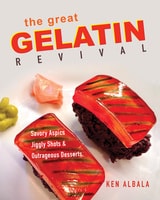
The Great Gelatin Revival
Savory Aspics, Jiggly Shots, and Outrageous DessertsKen Albala
University of Illinois Press, 2023
A lighthearted manifesto for the new age of aspics, The Great Gelatin Revival rattles our very understanding of what food can be.
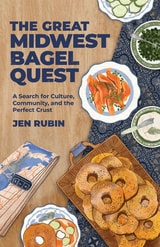
The Great Midwest Bagel Quest
A Search for Culture, Community, and the Perfect CrustJen Rubin
Wisconsin Historical Society Press, 2027
One woman’s quest for a great bagel becomes a poignant pursuit of culture and belonging.
Bagels have always been Jen Rubin’s cultural comfort food. Born and raised in New York City, she grew up on family gatherings anchored by sprawling bagel spreads. But after moving to Wisconsin thirty years ago, she struggled to maintain ties to her Jewish heritage—including a bagel worthy of her New York upbringing. When her mother’s death leads her to revisit her roots, Rubin embarks on a deeply personal mission: to discover whether the Midwest can produce a quality, authentic bagel. What begins as a search for comfort and connection becomes an enlightening exploration of food, identity, and belonging.
In The Great Midwest Bagel Quest, Rubin visits Chicago and St. Louis, Detroit and Ann Arbor, the Twin Cities, and Madison and Milwaukee—with a couple of side trips to New York City—sampling dozens of bagels, meeting artisan bakers, and exploring the histories of Jewish communities across the region. Along the way, she challenges the assumption that the Midwest has never produced truly authentic bagels.
Blending memoir, culinary history, travel narrative, and cultural reporting, Rubin uncovers a rich but overlooked bagel tradition while reflecting on her own complicated relationship with home. As she traces the evolution of the bagel from Jewish immigrant staple to mass-market commodity to the innovative artisanal varieties being produced today, she begins to see an evolution in her own relationship to her Jewish and familial traditions.
Warm, witty, and illuminating, The Great Midwest Bagel Quest is a fresh contribution to food writing that will appeal to readers of culinary history, immigrant history, and memoir. Most of all, it is a celebration of how food creates and sustains community—and how the search for the perfect bagel can lead us back to our true selves.
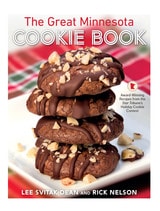
The Great Minnesota Cookie Book
Award-Winning Recipes from the Star Tribune's Holiday Cookie ContestLee Svitak Dean
University of Minnesota Press, 2018
Eighty delicious, imaginative recipes from the Star Tribune’s beloved annual cookie contest, with mouth-watering pictures and bakers’ stories
It’s cold in Minnesota, especially around the holidays, and there’s nothing like baking a batch of cookies to warm the kitchen and the heart. A celebration of the rich traditions, creativity, and taste of the region, The Great Minnesota Cookie Book collects the best-loved recipes and baking lore from fifteen years of the Star Tribune’s popular holiday cookie contest.
Drop cookies and cutouts, refrigerator cookies and bars; Swedish shortbread, Viennese wafers, and French–Swiss butter cookies; almond palmiers; chai crescents and taffy treats; snowball clippers, cherry pinwheels, lime coolers, and chocolate-drizzled churros: a dizzying array and all delightful, the recipes in this book recall memories of holidays past and inspire the promise of happy gatherings to come.
These are winning cookies in every sense, the best of the best chosen by the contest’s judges, accompanied by beautiful photographs as instructive as they are enticing. A treat for any occasion, whether party, bake sale, or after-school snack, each time- and taste-tested recipe is perfect for starting a tradition of one’s own.
The Gunflint Lodge Cookbook
Elegant Northwoods DiningRon Berg
University of Minnesota Press, 1997
Tantalizing cuisine from the renowned restaurant.
The Gunflint Lodge is Minnesota’s premier resort because of its pristine wilderness location, warm hospitality, and access to some of the finest fishing in the world. Visitors come from across the country not just for the outdoor activities, but for the food served in its rustic lodge.
Whether it’s Opening Day Walleye Fillets with Morel Mushroom Cream Sauce, or Roast Breast of Chicken Pistache with Blackberry Sauce, the Gunflint’s elegant menu, featured recently in Bon Appétit, Men's Journal , and Midwest Living, has won acclaim for inventiveness and sense of northwoods style.
The Gunflint Lodge Cookbook is a “reader’s cookbook,” organized by season with introductory essays by chef Ron Berg. Berg delights in adding fresh Minnesota ingredients to his Gunflint Blueberry Pie and his Wild Rice and Smoked Chicken Soup. There is an extensive section on fish cookery, including tips on frying, sautéing, and grilling, and recipes for a selection of breads, batters, and sauces for fish.
The Gunflint Lodge Cookbook is more than just recipes, however. Resort owner Sue Kerfoot writes about life at the lodge, feeding hungry visitors, and running a gourmet kitchen far from civilization. Justine Kerfoot’s (Woman of the Boundary Waters) introduction looks at lodge history stretching back to 1927, including filling the icehouse, securing ingredients, and pinch-hitting when the chef quits mid-season.
The Gunflint Lodge Cookbook will delight readers with tasty offerings and favorite anecdotes of life on the Gunflint Trail.

The Herb Garden Cookbook
The Complete Gardening and Gourmet Guide, Second EditionBy Lucinda Hutson
University of Texas Press, 2003
Indulge your senses with the lively flavors, vivid colors, and tantalizing aromas of fresh herbs. This comprehensive guide gives you creative, festive recipes as well as valuable gardening information. With Lucinda Hutson's expert advice you'll discover how to:
- Grow robust and flavorful herbs using organic gardening techniques.
- Harvest and store herbs.
- Prepare more than 150 delicious and innovative recipes.
- Create intensely flavored herb butters and savory vinegars.
- Garnish and flavor recipes with beautiful edible flowers.
- Grow and use exotic herbs from Mexico and Southeast Asia.
- Design menus for special occasions such as a fiesta for friends or a feast for two.
- Find the best sources, including websites, for buying plants, seeds, and gourmet products.
Savor the Tuscan-inspired Panzanella, the continental Celebratory Niçoise Salad, or the Southwestern-spirited Pollo Picado. Lucinda's suggested recipe variations will turn you into a kitchen quick-change artist. Ideas for dazzling presentations make your meals as pleasing to the eye as they are to the palate. From rosemary and thyme to Mexican mint marigold and Thai basil, this is an essential guide for cooks and gardeners alike!
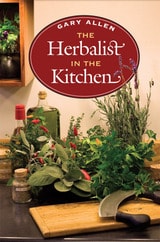
The Herbalist in the Kitchen
Gary Allen
University of Illinois Press, 2006
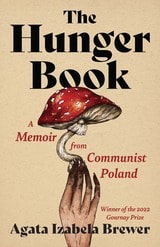
The Hunger Book
A Memoir from Communist PolandAgata Izabela Brewer
The Ohio State University Press, 2023
“A searing memoir about growing up behind the Iron Curtain, motherhood, addiction, and finding sustenance in the natural world.” —Kirkus
In The Hunger Book, Agata Izabela Brewer evokes her Polish childhood under Communism, where the warmth of her grandparents’ love and the scent of mushrooms drying in a tiny apartment are as potent as the deprivations and traumas of life with a terrifyingly unstable, alcoholic single mother. Brewer indelibly renders stories of foraging for food, homemade potato vodka (one of the Eastern Bloc’s more viable currencies), blood sausage, sparrows plucked and fried with linseed oil, and the respite of a country garden plot, all amid Stalinist-era apartment buildings, food shortages, martial law, and nuclear disaster in nearby Ukraine.
Brewer reflects on all of this from her immigrant’s vantage point, as she wryly tries to convince her children to enjoy the mushrooms she gathers from a roadside and grieves when they choose to go by Americanized versions of their Polish names. Hunting mushrooms, like her childhood, carried both reward and mortal peril. The Hunger Book, which includes recipes, is an unforgettable meditation on motherhood and addiction, resilience and love.
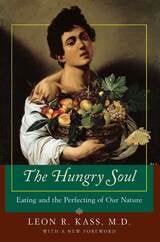
The Hungry Soul
Eating and the Perfecting of Our NatureLeon R. Kass M.D.
University of Chicago Press, 1999
"Kass is a distinguished and graceful writer. . . . It is astonishing to discover how different is our world from that of the animals, even in that which most evidently betrays that we too are animals—our need and desire for food."—Roger Scruton, Times Literary Supplement
"Yum."—Miss Manners
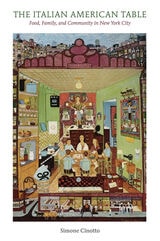
The Italian American Table
Food, Family, and Community in New York CitySimone Cinotto
University of Illinois Press, 2013
Looking at the historic Italian American community of East Harlem in the 1920s and 30s, Simone Cinotto recreates the bustling world of Italian life in New York City and demonstrates how food was at the center of the lives of immigrants and their children. From generational conflicts resolved around the family table to a vibrant food-based economy of ethnic producers, importers, and restaurateurs, food was essential to the creation of an Italian American identity. Italian American foods offered not only sustenance but also powerful narratives of community and difference, tradition and innovation as immigrants made their way through a city divided by class conflict, ethnic hostility, and racialized inequalities.
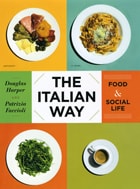
The Italian Way
Food and Social LifeDouglas Harper and Patrizia Faccioli
University of Chicago Press, 2009
Outside of Italy, the country’s culture and its food appear to be essentially synonymous. And indeed, as The Italian Way makes clear, preparing, cooking, and eating food play a central role in the daily activities of Italians from all walks of life. In this beautifully illustrated book, Douglas Harper and Patrizia Faccioli present a fascinating and colorful look at the Italian table.
The Italian Way focuses on two dozen families in the city of Bologna, elegantly weaving together Harper’s outsider perspective with Faccioli’s intimate knowledge of the local customs. The authors interview and observe these families as they go shopping for ingredients, cook together, and argue over who has to wash the dishes. Throughout, the authors elucidate the guiding principle of the Italian table—a delicate balance between the structure of tradition and the joy of improvisation. With its bite-sized history of food in Italy, including the five-hundred-year-old story of the country’s cookbooks, and Harper’s mouth-watering photographs, The Italian Way is a rich repast—insightful, informative, and inviting.
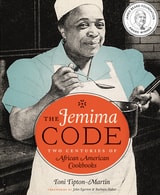
The Jemima Code
Two Centuries of African American CookbooksBy Toni Tipton-Martin; forewords by John Egerton and Barbara Haber
University of Texas Press, 2015
Winner, James Beard Foundation Book Award, 2016
Art of Eating Prize, 2015
BCALA Outstanding Contribution to Publishing Citation, Black Caucus of the American Library Association, 2016
Women of African descent have contributed to America’s food culture for centuries, but their rich and varied involvement is still overshadowed by the demeaning stereotype of an illiterate “Aunt Jemima” who cooked mostly by natural instinct. To discover the true role of black women in the creation of American, and especially southern, cuisine, Toni Tipton-Martin has spent years amassing one of the world’s largest private collections of cookbooks published by African American authors, looking for evidence of their impact on American food, families, and communities and for ways we might use that knowledge to inspire community wellness of every kind.
The Jemima Code presents more than 150 black cookbooks that range from a rare 1827 house servant’s manual, the first book published by an African American in the trade, to modern classics by authors such as Edna Lewis and Vertamae Grosvenor. The books are arranged chronologically and illustrated with photos of their covers; many also display selected interior pages, including recipes. Tipton-Martin provides notes on the authors and their contributions and the significance of each book, while her chapter introductions summarize the cultural history reflected in the books that follow. These cookbooks offer firsthand evidence that African Americans cooked creative masterpieces from meager provisions, educated young chefs, operated food businesses, and nourished the African American community through the long struggle for human rights. The Jemima Code transforms America’s most maligned kitchen servant into an inspirational and powerful model of culinary wisdom and cultural authority.

The Khwan Niamut
Or, Nawab'S Domestic CookeryDavid E. Schoonover
University of Iowa Press, 1992
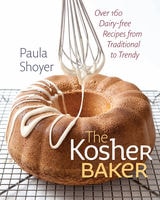
The Kosher Baker
Over 160 Dairy-free Recipes from Traditional to TrendyPaula Shoyer
Brandeis University Press, 2010
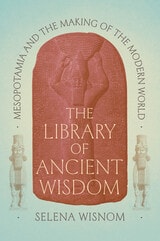
The Library of Ancient Wisdom
Mesopotamia and the Making of the Modern WorldSelena Wisnom
University of Chicago Press, 2025
The library of Ashurbanipal, Assyria’s last great king, held an astonishing collection at the forefront of knowledge in its day, from ancient traditions in religion and literature to the latest developments in magic and medicine. When the Assyrian empire fell, the library burned to the ground, and its contents, clay tablets inscribed with cuneiform writing, lay buried for thousands of years until a team of Victorian archaeologists discovered the remnants in modern-day Iraq. The clay had baked and hardened; the very fire that consumed the library had helped its texts to survive for millennia.
In The Library of Ancient Wisdom, scholar Selena Wisnom, one of only a few hundred experts able to read cuneiform script today, guides us inside this important collection and, through its contents, brings ancient Mesopotamia and its people to life. Introducing us to Ashurbanipal and his family, scribes, astrologers, physicians, and more, Wisnom explores the library’s tablets and the details they divulge about how these ancient people thought about the world. Like us, they had concerns about job security, jealous rivalries, and profound friendships, and questions about the meaning of life. Wisnom ushers us into a world where magic was commonplace, where the gods spoke to you in dreams, and where the secrets of the universe were revealed through puns—taking us to the heart of what it means to be human.
Offering a close look at a major historical landmark as well as a readable account of the world’s earliest civilizations, The Library of Ancient Wisdom lays bare the ideas, hopes, fears, and desires that survive on humble clay.
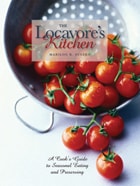
The Locavore’s Kitchen
A Cook’s Guide to Seasonal Eating and PreservingMarilou K. Suszko
Ohio University Press, 2011
More and more Americans are becoming dedicated locavores, people who prefer to eat locally grown or produced foods and who enjoy the distinctive flavors only a local harvest can deliver. The Locavore’s Kitchen invites readers to savor homegrown foods that come from the garden, the farm stand down the road, or local farmers’ markets through cooking and preserving the freshest ingredients.
In more than 150 recipes that highlight seasonal flavors, Marilou K. Suszko inspires cooks to keep local flavors in the kitchen year round. From asparagus in the spring to pumpkins in the fall, Suszko helps readers learn what to look for when buying seasonal homegrown or locally grown foods as well as how to store fresh foods, and which cooking methods bring out fresh flavors and colors. Suszko shares tips and techniques for extending seasonal flavors with detailed instructions on canning, freezing, and dehydrating and which methods work best for preserving texture and flavor.
The Locavore’s Kitchen is an invaluable reference for discovering the delicious world of fresh, local, and seasonal foods.
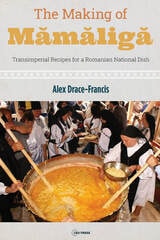
The Making of Mamaliga
Transimperial Recipes for a Romanian National DishAlex Drace-Francis
Central European University Press, 2022
Mămăligă, maize porridge or polenta, is a universally consumed dish in Romania and a prominent national symbol. But its unusual history has rarely been told. Alex Drace-Francis surveys the arrival and spread of maize cultivation in Romanian lands from Ottoman times to the eve of the First World War, and also the image of mămăligă in art and popular culture. Drawing on a rich array of sources and with many new findings, Drace-Francis shows how the making of mămăligă has been shaped by global economic forces and overlapping imperial systems of war and trade.
The story of maize and mămăligă provides an accessible way to revisit many key questions of Romanian and broader regional history. More generally, the book links the history of production, consumption, and representation. Analyses of recipes, literary and popular depictions, and key vocabulary complete the work.
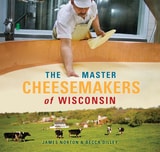
The Master Cheesemakers of Wisconsin
James Norton and Becca Dilley
University of Wisconsin Press, 2009
Certification as a Master Cheesemaker typically takes almost fifteen years. An applicant must hold a cheesemaking license for at least ten years, create one or two chosen varieties of cheese for at least five years, take more than two years of university courses, consent to constant testing of their cheese and evaluation of their plant, and pass grueling oral and written exams to be awarded the prestigious title.
James Norton and Becca Dilley interviewed these dairy artisans, listened to their stories, tasted their cheeses, and explored the plants where they work. They offer here profiles of forty-three active Master Cheesemakers of Wisconsin, as well as a glossary of cheesemaking terms, suggestions of operations that welcome visitors for tours, tasting notes and suggested food pairings, and tasty nuggets (shall we say curds?) of information on everything to do with cheese.

The Medieval Kitchen
Recipes from France and ItalyOdile Redon, Françoise Sabban, and Silvano Serventi
University of Chicago Press, 1998
"This book is a delight. It is not often that one has the privilege of working from a text this detailed and easy to use. It is living history, able to be practiced by novice and master alike, practical history which can be carried out in our own homes by those of us living in modern times."—Wanda Oram Miles, The Medieval Review
"The Medieval Kitchen, like other classic cookbooks, makes compulsive reading as well as providing a practical collection of recipes."—Heather O'Donoghue, Times Literary Supplement