Results by title
1415 books match the query 'Medical' and 263 start with t
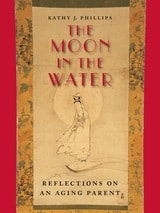
The Moon in the Water
Reflections on an Aging ParentKathy J. Phillips
Vanderbilt University Press, 2008
In a series of moving vignettes, the author begins by describing a particular representation of Water-Moon Kuan Yin, a Buddhist teacher and goddess associated with compassion, who often sits on a precarious overhang or floats on a flimsy petal. Then Kuan Yin steps out of the frame to join the author in the mundane challenges of caring for her father-transferring his health insurance, struggling with a wheelchair van, managing adult diapers, or playing in the fictions of dementia. From perplexed to poignant to funny, the vignettes record the working-class English of a fading but still wise dad, and they find other human versions of Kuan Yin in a doctor who will still make house calls or kind strangers in the street.
The book includes ten illustrations: both classical representations of Kuan Yin and also the author's own drawings, which adapt Kuan Yin in an act of practical spirituality, reading art through life and life through art. Each vignette invites the harried caregiver to take a deep breath and meditate on the trials and joys of caring for an aging parent.
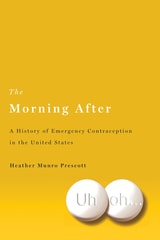
The Morning After
A History of Emergency Contraception in the United StatesPrescott, Heather Munro
Rutgers University Press, 2011
Since 2006, when the “morning-after pill” Plan B was first sold over the counter, sales of emergency contraceptives have soared, becoming an $80-million industry in the United States and throughout the Western world. But emergency contraception is nothing new. It has a long and often contentious history as the subject of clashes not only between medical researchers and religious groups, but also between different factions of feminist health advocates.
The Morning After tells the story of emergency contraception in America from the 1960s to the present day and, more importantly, it tells the story of the women who have used it. Side-stepping simplistic readings of these women as either radical feminist trailblazers or guinea pigs for the pharmaceutical industry, medical historian Heather Munro Prescott offers a portrait of how ordinary women participated in the development and popularization of emergency contraception, bringing a groundbreaking technology into the mainstream with the potential to alter radically reproductive health practices.

The Mosquito Crusades
A History of the American Anti-Mosquito Movement from the Reed Commission to the First Earth DayPatterson, Gordon
Rutgers University Press, 2009
Providing readers with a fascinating exploration of the relationship between science, technology, and public policy, Gordon Patterson's narrative begins in New Jersey with John B. Smith's effort to develop a comprehensive plan and solution for mosquito control, one that would serve as a national model. From the Reed Commission's 1900 yellow fever experiment to the first Earth Day seventy years later, Patterson provides an eye-opening account of the crusade to curtail the deadly mosquito population.

The Most Secret Quintessence of Life
Sex, Glands, and Hormones, 1850-1950Chandak Sengoopta
University of Chicago Press, 2006
Through a series of case studies drawn from Central Europe, the United States, and Britain, The Most Secret Quintessence of Life explores how the notion of sex hormones enabled scientists to remap the human body, encouraging hopes that glandular interventions could cure ills, malfunctions, and even social deviance in ways inconceivable to previous generations. Many of these dreams failed, but their history, Chandak Sengoopta shows, takes us into the very heart of scientific medicine, revealing how even its most arcane concerns are shaped by cultural preoccupations and anxieties.
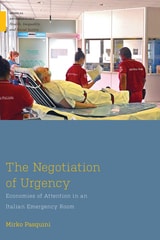
The Negotiation of Urgency
Economies of Attention in an Italian Emergency RoomMirko Pasquini
Rutgers University Press, 2025
Mirko Pasquini shows that there is more than medical urgency at stake in the ER, where mistrust of medical authority is fueled and violence often sparks. He analyzes the making of urgency, that is triage, not as a neutral medical way of sorting, but as a practice that actively creates difference through economies of attention. The Negotiation of Urgency illustrates both the limits of triage, and how those limits can spark improvisation and creative reinvention.
The Neuroscientific Turn
Transdisciplinarity in the Age of the BrainMelissa M. Littlefield and Jenell M. Johnson, editors
University of Michigan Press, 2012

The Neurotransmitter Revolution
Serotonin, Social Behavior, and the LawRoger D. Masters
Southern Illinois University Press, 1993
Extraordinary advances in neurochemistry are both transforming our understanding of human nature and creating an urgent problem. Much is now known about the ways that neurotransmitters influence normal social behavior, mental illness, and deviance. What are these discoveries about the workings of the human brain? How can they best be integrated into our legal system?
These explosive issues are best understood by focusing on a single neurotransmitter like serotonin, which is associated with such diverse behaviors as dominance and leadership, seasonal depression, suicide, alcoholism, impulsive homicide, and arson. This book brings together revised papers from a conference on this theme organized by the Gruter Institute for Law and Behavioral Research, supplemented with articles by leading scholars who did not attend. Contributors include psychiatrists, neurologists, social scientists, and legal scholars.
The Neurotransmitter Revolution presents a unique survey of the scientific and legal implications of research on the way serotonin combines with other factors to shape human behavior. The findings are quite different from what might have been expected even a decade ago.
The neurochemistry of behavior is not the same thing as genetic determinism. On the contrary, the activity of serotonin varies from one individual to another for many reasons, including the individual’s life experience, social status, personality, and diet. And there are a number of major neurotransmitter systems, each of which interacts with the other. Behavior, culture, and the social environment can influence neurochemistry along with inheritance. Nature and nurture interact—and these interactions can be understood from a vigorously scientific point of view.
The fact that our actions are heavily influenced by neurotransmitters like serotonin is bound to be disquieting. A sophisticated understanding of law and human social behavior will be needed if our society is to respond adequately to these rapid advances in our knowledge. This book is an essential step in that direction, providing the first comprehensive survey of the biochemical, social, and legal considerations arising from research on the behavioral effects of serotonin and related neurotransmitters.
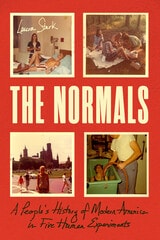
The Normals
A People’s History of Modern America in Five Human ExperimentsLaura Stark
University of Chicago Press, 2027
How healthy control subjects in clinical research transformed the practice and labor of science, as told by the Normals themselves.
In the 1950s, the National Institutes of Health were in search of a large, replenishing stream of healthy people to participate in clinical studies. To establish legal sources of test subjects, the NIH signed unprecedented contracts with American colleges, church organizations, and other government agencies, and in the process gave rise to a new type of test subject: the “normal patient.” Thousands of them eventually moved into the NIH Clinical Center to live in hospital rooms, eat food prepared in a metabolic kitchen, and follow—or flout—the rules.
The Normals is a groundbreaking account of the NIH Normal Volunteer Patient Program, which has lasted into the twenty-first century. This program harnessed outside organizations in all areas of postwar American life—colleges and universities, labor unions, civic groups, federal prisons, and churches—to recruit research subjects for human experiments. Drawing on thousands of pages of unearthed government documents, oral histories, and personal materials shared by the patients themselves (collected in a new archive), Laura Stark follows five experiments and the people involved, delving into their biographies, their time at the Clinical Center, and the thorny problem of determining who counts as “normal.” The “Normals” were not passive objects of study, Stark shows, but active research participants who collaborated with scientists, maintained the laboratories where they served, informed official ethics policies, and bargained to meet their needs.
By taking seriously the pillow fights and the first kisses, the bible clubs and the movie nights that animated the Clinical Center as much as the medical experiments, The Normals brings to life a surprising true story of the origins of our present-day system of human experiment, one that at once explores what it means to work, to serve, to volunteer.
The Nursing Clio Reader
Histories of Sex, Reproduction, and JusticeJacqueline D. The Nursing Clio Editorial Collective
Rutgers University Press, 2025
The Nursing Clio Reader answers that call, bringing together essays that examine reproductive health through historical research and personal experience. Featuring both new and classic pieces from the Nursing Clio blog, leading historians of reproductive health provide insights that connect past struggles with today’s ongoing battles over bodies, reproductive rights, and health care. This collection offers intimate, urgent scholarship that speaks to the present moment.
A powerful resource for classrooms and individual readers alike, The Nursing Clio Reader invites reflection on how the past informs current debates, urging us to engage deeply with the history of reproductive justice in a time of unprecedented change, underscoring that indeed "the personal is historical."
The Oocyte Economy
The Changing Meaning of Human EggsCatherine Waldby
Duke University Press, 2019
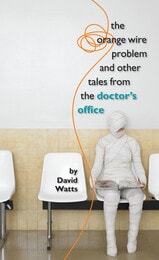
The Orange Wire Problem and Other Tales from the Doctor’s Office
David Watts
University of Iowa Press, 2009
With disarming candor and the audacity to admit that practicing medicine can be a crazy thing, Watts fills each page with riveting details, moving accounts, or belly-laughs. As the stories in this work unfold, we are witness to the moral dilemmas and personal rewards of ministering to the sick. Whether the subject is the potential benefits of therapeutic deception or telling a child about death, Watts’s ear for the right word, the right tone, and the right detail never fails him.
From The Orange Wire Problem and Other Tales from the Doctor’s Office:
We were lingering in the outer office. He mentioned again, no biopsy. I knew that. And I knew there would be no chemotherapy.
Maybe it's like that Orange Wire Problem, I said.
Yes exactly, he said, and four years from now when we're all sitting around the campfire we'll remember the Orange Wire Problem. . .
And I thought to myself, my brother did that. Spoke of the time ahead as he was dying of lung cancer. Six months from now he had said, we'll be glad we did all those drug therapies—as if to speak of the future laid claim to the future.

The Origins and Rise of Associate Degree Nursing Education
Patricia T. Haase
Duke University Press, 1990
Advocates have long contended that the associate degree nurse is vital to the American health care system. This study, funded by the W. K. Kellogg Foundation, confirms this view. In recent years the Foundation has invested more than $6.1 million in the development of the ADN, awarded by junior and community colleges. Many participants in the ADN projects for the Kellogg Foundation have noted that, despite the importance of the ADN and the controversy about its place in nursing education, the literature is scattered and hard to identity. The Origins and Rise of Associate Degree Nursing Education and the companion bibliography will provide much-needed information to educators, hospital and nursing administrators, nursing leaders, and public policy makers—all of whom must cope with the growing nursing shortage and increasingly difficult issues in health policy and administration.
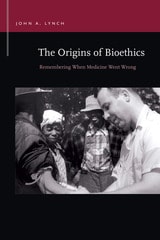
The Origins of Bioethics
Remembering When Medicine Went WrongJohn A. Lynch
Michigan State University Press, 2019
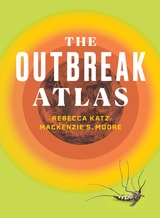
The Outbreak Atlas
Rebecca Katz and Mackenzi S. Moore
Vanderbilt University Press, 2024
For years the Georgetown University Center for Global Health Science and Security has curated an interactive online tool for professionals that identifies the activities involved across all phases of an outbreak. The Georgetown Outbreak Activity Library (GOAL) captures what needs to get done, when, and by whom. Now, in The Outbreak Atlas, Rebecca Katz and Mackenzie S. Moore have translated this complex material into a book designed for a public audience.
This book provides an overview of outbreak activities alongside compelling case studies and visuals to guide readers through the complexity involved in outbreak preparedness, response, and recovery. It lifts the curtain on the rationale and interconnectedness of outbreak responses across different fields and at various levels, presenting accessible information that ensures a shared understanding of the essential activities to control an outbreak.

The Pancreas
Biology and PhysiologyJohn A. Williams
Michigan Publishing Services, 2021
This book provides comprehensive and definitive coverage of the current understanding of the structure and function of the exocrine pancreas. While emphasis is on normal physiology, the relevant cell biological, developmental and biochemical information is also provided. Where appropriate, chapters also include material on functional changes in pancreatitis. All chapters are fully referenced and provide up to date information.
The book has been overseen and published by the American Pancreatic Association with Fred S. Gorelick and John A. Williams as Editors. It includes 26 chapters written by an international group of authorities; completed chapters are also presented in open access format on the Pancreapedia (www.pancreapedia.org). The book contains full-color images and summary diagrams that enhance readability and extend the detail provided in the text.
The Pancreas: Biology and Physiology is divided into four sections:
- Pancreatic Exocrine Structure and Function Anatomy, Bioenergetics, Cytoskeleton, Intracellular Signaling
- Acinar Cells Digestive enzyme synthesis, intracellular transport, Zymogen granules, Exocytosis
- Exocrine Pancreas Integrative Responses Hormonal and Neural Control of Protein and Fluid Secretion, Molecular mechanisms of fluid and bicarbonate secretion, regulation of growth and regeneration
- Pancreatic Islet and Stellate Cell Structure and Function Structure and vasculature of islets, regulation of islet secretion, Stellate Cells in health and disease
The book is designed to be a reference book for pancreas researchers but its clear and readable text will appeal to teachers, students and all individuals interested in the exocrine pancreas.
The Pandemic Divide
How COVID Increased Inequality in AmericaGwendolyn L. Wright, Lucas Hubbard, and William A. Darrity, editors
Duke University Press, 2022
Contributors. Fenaba Addo, Steve Amendum, Leslie Babinski, Sandra Barnes, Mary T. Bassett, Keisha Bentley-Edwards, Kisha Daniels, William A. Darity Jr., Melania DiPietro, Jane Dokko, Fiona Greig, Adam Hollowell, Lucas Hubbard, Damon Jones, Steve Knotek, Arvind Krishnamurthy, Henry Clay McKoy Jr., N. Joyce Payne, Erica Phillips, Eugene Richardson, Paul Robbins, Jung Sakong, Marta Sánchez, Melissa Scott, Kristen Stephens, Joe Trotter, Chris Wheat, Gwendolyn L. Wright
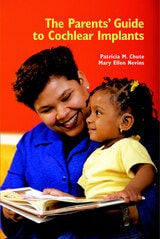
The Parents' Guide to Cochlear Implants
Patricia M. Chute
Gallaudet University Press, 2002
Most importantly, parents will learn their roles in helping their child adjust to and successfully use the cochlear implant. The Parents’ Guide to Cochlear Implants emphasizes such critical subjects as learning to listen through home activities, implants as tools for language development, and critical issues regarding school placement. This encouraging book considers the implications for performance in light of the whole child, including issues related to Deaf culture and cochlear implants. The authors also include brief stories by parents whose children have had implants that provide reassuring actual experiences to parents considering the procedure for their own child. With a last word on parenting perspectives and a rich source of resources in the appendices, this one-of-a-kind guide will arm parents of deaf children with complete confidence to make informed decisions about cochlear implantation.

The Physiology and Pathology of the Cerebellum
Robert S. Dow and Guiseppe Moruzzi
University of Minnesota Press, 1958
The Physiology and Pathology of the Cerebellum was first published in 1958. Minnesota Archive Editions uses digital technology to make long-unavailable books once again accessible, and are published unaltered from the original University of Minnesota Press editions.
The development of electrical methods of recording activity in the nervous system has greatly augmented our knowledge of cerebellar physiology. Now, for the first time in a single volume, this new information has been related to facts derived from older methods of investigation. Previously unpublished reports of experiments conducted at the Institute of Physiology, University of Pisa, Italy, also are included.
The authors, an American clinical neurologist and an Italian neuro-physiologist, have collaborated to provide a comprehensive review of cerebellar physiology and a survey of the clinical symptomatology of cerebellar disorders and the pathology of the cerebellum.
In Part I, devoted to the physiology, the authors review the literature completely and place it in proper relation to the latest developments in this field. There are chapters on this history of cerebellar physiology, ablation experiments, stimulation experiments, electro-physiological experiments, the relations between the cerebellum and other central nervous structures, developmental physiology, and the functions of the cerebellum, considered generally.Part II is devoted to the human cerebellum as studied in the clinic. Where anatomical and physiological observation may shed light upon obscure clinical findings, the laboratory data are related to the clinical investigations. The disorders and diseases affecting the cerebellum are systemically reviewed. The book is illustrated with 61 halftones and 124 line drawings.
The Poison Trials
Wonder Drugs, Experiment, and the Battle for Authority in Renaissance ScienceAlisha Rankin
University of Chicago Press, 2021
At a time when poison was widely feared, the urgent need for effective cures provoked intense excitement about new drugs. As doctors created, performed, and evaluated poison trials, they devoted careful attention to method, wrote detailed experimental reports, and engaged with the problem of using human subjects for fatal tests. In reconstructing this history, Rankin reveals how the antidote trials generated extensive engagement with “experimental thinking” long before the great experimental boom of the seventeenth century and investigates how competition with lower-class healers spurred on this trend.
The Poison Trials sheds welcome and timely light on the intertwined nature of medical innovations, professional rivalries, and political power.
The Poisonous Pen of Agatha Christie
By Michael C. Gerald
University of Texas Press, 1993
Poisoning occurs in over half of Agatha Christie's many novels and stories. In fact, she used a larger number and broader selection of poisons and medicines, for a wider variety of purposes, with greater frequency, ingenuity, and scientific accuracy than any other detective fiction writer. Yet very little has been written on the use of drugs, poisons, and chemicals in Christie's fiction.
The Poisonous Pen of Agatha Christie entertainingly and authoritatively fills this gap. Michael Gerald explores the use of poisons and drugs in Christie's fiction not only to commit murder and suicide but also to incapacitate a victim, alter behavior, treat disease, or support addiction. He also analyzes her views, as expressed in her fiction and autobiography, on drug addiction, the health professions, the value of medicines, and scientific discoveries.
Especially valuable is Gerald's exhaustive listing of all drugs, poisons, and chemicals mentioned in Christie's novels and stories, with references to the work(s) in which each appears and the ways in which each is used. Other tables list all the novels and short stories and the chemicals that are used in each. Throughout, the properties of all drugs are clearly explained so that the reader needs no special scientific or medical knowledge.
The Poisonous Pen of Agatha Christie illuminates the fictional uses Christie made of her real-life experiences as a hospital drug dispenser and as a provider of nursing care. It will be of interest to fans and scholars alike.

The Political Economy of Health in Africa
Mis Af#60Toyin Falola
Ohio University Press, 1992

The Political Life of Medicare
Jonathan Oberlander
University of Chicago Press, 2003
The Politics and Challenges of Achieving Health Equity
Alan B. Cohen, Colleen M. Grogan, and Jedediah Horwitt, special issue editors
Duke University Press, 2017
Articles in this issue address the historical, legal, and political contexts of health equity in the United States. Contributors examine the role of the courts in shaping health equity; document the importance of political discourse in framing health equity and establishing agendas for action; look closely at particular policies to reveal current challenges and the potential to achieve health equity in the future; and examine policies in both health and nonhealth domains, including state Medicaid programs, the use of mobile technology, and education and immigration policies. The issue concludes with a commentary on the future of health equity under the Trump administration and an analysis of how an ACA repeal would impact health equity.
Contributors. Alan B. Cohen, Keon L. Gilbert, Daniel Q. Gillion, Colleen M. Grogan, Mark A. Hall, Jedediah N. Horwitt, Tiffany D. Joseph, Alana M.W. LeBron, Julia F. Lynch, Jamila D. Michener, Vanessa Cruz Nichols, Francisco Pedraza, Isabel M. Perera, Rashawn Ray, Jennifer D. Roberts, Sara Rosenbaum, Sara Schmucker, Abigail A. Sewell, Deborah Stone, Keith Wailoo

The Politics of Health Care Reform
Lessons from the Past, Prospects for the FutureJames A. Morone and Gary S. Belkin, eds.
Duke University Press, 1994
The Politics of Health Care Reform explains how successful reforms occur in the United States and shows what is unique about health care issues. Theoretically informed, politically astute, historically nuanced, this volume takes an inventory of our health policy infrastructure. Here is an account of the institutions, ideas, and interests that shape health policy in the 1990s: Congress, the federal courts, interest groups, state governments, the public bureaucracy, business (large and small), the insurance industry, the medical profession. The volume offers a fresh look at such critical matters as public opinion, the politics of race and gender, and the lessons we can draw from other nations.
The Politics of Health Care Reform is the definitive collection of political science essays about health care. Expanded from two special issues of the Journal of Health Politics, Policy and Law, the most prominent scholarly journal in the field it helped create, this collection will enliven the present debate over health reform and instruct everyone who is concerned about the future of American health care.
Contributors. Lawrence Brown, Robert Evans, William Glaser, Colleen Grogan, Robert Hackey, Lawrence Jacobs, Nancy Jecker, Taeku Lee, Joan Lehman, David McBride, Ted Marmor, Cathie Jo Martin, James A. Morone, Mark Peterson, David Rochefort, Rand Rosenblatt, David Rothman, Joan Ruttenberg, Mark Schlesinger, Theda Skocpol, Michael Sparer, Deborah Stone, Kenneth Thorpe
The Politics of Pain Medicine
A Rhetorical-Ontological InquiryS. Scott Graham
University of Chicago Press, 2015
In The Politics of Pain Medicine: A Rhetorical-Ontological Inquiry, S. Scott Graham offers a rich and detailed exploration of the medical rhetoric surrounding pain medicine. Graham chronicles the work of interdisciplinary pain management specialists to found a new science of pain and a new approach to pain medicine grounded in a more comprehensive biospychosocial model. His insightful analysis demonstrates how these materials ultimately shape the healthcare community’s understanding of what pain medicine is, how the medicine should be practiced and regulated, and how practitioner-patient relationships are best managed. It is a fascinating, novel examination of one of the most vexing issues in contemporary medicine.
The Politics of Potential
Global Health and Gendered Futures in South AfricaMichelle Pentecost
Rutgers University Press, 2024

The Politics of the Opioid Epidemic
Susan L. Moffitt and Eric M. Patashnik, special issue editors
Duke University Press, 0
Contributors. Amanda Abraham, Christina M. Andrews, Clifford S. Bersamira, Andrea Louise Campbell, Sarah E. Gollust, Colleen M. Grogan, Gali Katznelson, Jin Woo Kim, Miriam Laugesen, Joanne M. Miller, Susan L. Moffitt, Evan Morgan, Brendan Nyhan, Eric M. Patashnik, Elizabeth Peréz-Chiqués, Harold A. Pollack, Marie Schenk, Carmel Shachar, Phillip M. Singer, Bikki Tran Smith, Patricia Strach, Paul Testa, Tess Wise, Katie Zuber
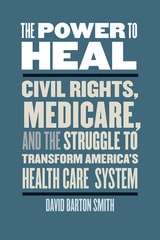
The Power to Heal
Civil Rights, Medicare, and the Struggle to Transform America's Health Care SystemDavid Barton Smith
Vanderbilt University Press, 2016
The book draws the reader into the struggles of the unsung heroes of the transformation, black medical leaders whose stubborn courage helped shape the larger civil rights movement. They demanded an end to federal subsidization of discrimination in the form of Medicare payments to hospitals that embraced the "separate but equal" creed that shaped American life during the Jim Crow era. Faced with this pressure, the Kennedy and Johnson Administrations tried to play a cautious chess game, but that game led to perhaps the biggest gamble in the history of domestic policy. Leaders secretly recruited volunteer federal employees to serve as inspectors, and an invisible army of hospital workers and civil rights activists to work as agents, making it impossible for hospitals to get Medicare dollars with mere paper compliance. These triumphs did not come without casualties, yet the story offers lessons and hope for realizing this transformational dream.
This book is the recipient of the Norman L. and Roselea J. Goldberg Prize from Vanderbilt University Press for the best book in the area of medicine.

The Pox Lover
An Activist's Decade in New York and ParisAnne-christine d'Adesky
University of Wisconsin Press, 2017
D'Adesky takes us through a fast-changing East Village: squatter protests and civil disobedience lead to all-night drag and art-dance parties, the fun-loving Lesbian Avengers organize dyke marches, and the protest group ACT UP stages public funerals. Traveling as a journalist to Paris, an insomniac d'Adesky trolls the Seine, encountering waves of exiles fleeing violence in the Balkans, Haiti, and Rwanda. As the last of the French Nazis stand trial and the new National Front rises in the polls, d'Adesky digs into her aristocratic family's roots in Vichy France and colonial Haiti. This is a testament with a message for every generation: grab at life and love, connect with others, fight for justice, keep despair at bay, and remember.

The Pox of Liberty
How the Constitution Left Americans Rich, Free, and Prone to InfectionWerner Troesken
University of Chicago Press, 2015
Werner Troesken looks at the history of the United States with a focus on three diseases—smallpox, typhoid fever, and yellow fever—to show how constitutional rules and provisions that promoted individual liberty and economic prosperity also influenced, for good and for bad, the country’s ability to eradicate infectious disease. Ranging from federalism under the Commerce Clause to the Contract Clause and the Fourteenth Amendment, Troesken argues persuasively that many institutions intended to promote desirable political or economic outcomes also hindered the provision of public health. We are unhealthy, in other words, at least in part because our political and legal institutions function well. Offering a compelling new perspective, The Pox of Liberty challenges many traditional claims that infectious diseases are inexorable forces in human history, beyond the control of individual actors or the state, revealing them instead to be the result of public and private choices.
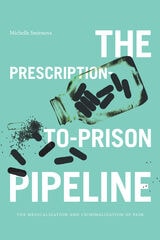
The Prescription-to-Prison Pipeline
The Medicalization and Criminalization of PainMichelle Smirnova
Duke University Press, 2023
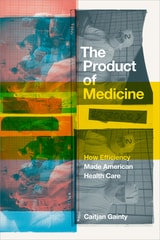
The Product of Medicine
How Efficiency Made American Health CareCaitjan Gainty
Duke University Press, 2025
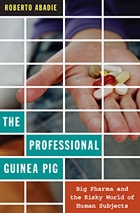
The Professional Guinea Pig
Big Pharma and the Risky World of Human SubjectsRoberto Abadie
Duke University Press, 2010
The Province of Affliction
Illness and the Making of Early New EnglandBen Mutschler
University of Chicago Press, 2020

The Public's Health
A Narrative History Of Health And Disease In ArkansasSam Taggert
Arkansas Times Press, 2013
The Quest for Cortisone
Thom Rooke
Michigan State University Press, 2012
In 1948, when “Mrs. G.,” hospitalized with debilitating rheumatoid arthritis, became the first person to receive a mysterious new compound—cortisone—her physicians were awestruck by her transformation from enervated to energized. After eighteen years of biochemical research, the most intensively hunted biological agent of all time had finally been isolated, identified, synthesized, and put to the test. And it worked. But the discovery of a long-sought “magic bullet” came at an unanticipated cost in the form of strange side effects. This fascinating history recounts the discovery of cortisone and pulls the curtain back on the peculiar cast of characters responsible for its advent, including two enigmatic scientists, Edward Kendall and Philip Hench, who went on to receive the Nobel Prize. The book also explores the key role the Mayo Clinic played in fostering cortisone’s development, and looks at drugs that owe their heritage to the so-called “King of Steroids.”
The Quest for Sexual Health
How an Elusive Ideal Has Transformed Science, Politics, and Everyday LifeSteven Epstein
University of Chicago Press, 2022
Since the 1970s, health professionals, researchers, governments, advocacy groups, and commercial interests have invested in the pursuit of something called "sexual health." Under this expansive banner, a wide array of programs have been launched, organizations founded, initiatives funded, products sold—and yet, no book before this one asks: What does it mean to be sexually healthy? When did people conceive of a form of health called sexual health? And how did it become the gateway to addressing a host of social harms and the reimagining of private desires and public dreams?
Conjoining "sexual" with "health" changes both terms: it alters how we conceive of sexuality and transforms what it means to be healthy, prompting new expectations of what medicine can provide. Yet the ideal of achieving sexual health remains elusive and open-ended, and the benefits and costs of promoting it are unevenly distributed across genders, races, and sexual identities. Rather than a thing apart, sexual health is intertwined with nearly every conceivable topical debate—from sexual dysfunction to sexual violence, from reproductive freedom to the practicalities of sexual contact in a pandemic. In this book Steven Epstein analyzes the rise, proliferation, uptake, and sprawling consequences of sexual health activities, offering critical tools to assess those consequences, expand capacities for collective decision making, and identify pathways that promote social justice.
The Radiology Handbook
A Pocket Guide to Medical ImagingJ. S. Benseler
Ohio University Press, 2006
Designed for busy medical students, The Radiology Handbook is a quick and easy reference for any practitioner who needs information on ordering or interpreting images.
The book is divided into three parts:
- Part I presents a table, organized from head to toe, with recommended imaging tests for common clinical conditions.
- Part II is organized in a question and answer format that covers the following topics: how each major imaging modality works to create an image; what the basic precepts of image interpretation in each body system are; and where to find information and resources for continued learning.
- Part III is an imaging quiz beginning at the head and ending at the foot. Sixty images are provided to self-test knowledge about normal imaging anatomy and common imaging pathology.
Published in collaboration with the Ohio University College of Osteopathic Medicine, The Radiology Handbook is a convenient pocket-sized resource designed for medical students and non radiologists.
The Renewal of Generosity
Illness, Medicine, and How to LiveArthur W. Frank
University of Chicago Press, 2004
The Renewal of Generosity evokes medicine as the face-to-face encounter that comes before and after diagnostics, pharmaceuticals, and surgeries. Frank calls upon the Roman emperor Marcus Aurelius, philosopher Emmanuel Levinas, and literary critic Mikhail Bakhtin to reflect on stories of ill people, doctors, and nurses who transform demoralized medicine into caring relationships. He presents their stories as a source of consolation for both ill and professional alike and as an impetus to changing medical systems. Frank shows how generosity is being renewed through dialogue that is more than the exchange of information. Dialogue is an ethic and an ideal for people on both sides of the medical encounter who want to offer more to those they meet and who want their own lives enriched in the process.
The Renewal of Generosity views illness and medical work with grace and compassion, making an invaluable contribution to expanding our vision of suffering and healing.
The Republic of Therapy
Triage and Sovereignty in West Africa’s Time of AIDSVinh-Kim Nguyen
Duke University Press, 2010
The Riddle of Malnutrition
The Long Arc of Biomedical and Public Health Interventions in UgandaJennifer Tappan
Ohio University Press, 2017
More than ten million children suffer from severe acute malnutrition globally each year. In Uganda, longstanding efforts to understand, treat, and then prevent the condition initially served to medicalize it, in the eyes of both biomedical personnel and Ugandans who brought their children to the hospital for treatment and care. Medicalization meant malnutrition came to be seen as a disease—as a medical emergency—not a preventable condition, further compromising nutritional health in Uganda.
Rather than rely on a foreign-led model, physicians in Uganda responded to this failure by developing a novel public health program known as Mwanamugimu. The new approach prioritized local expertise and empowering Ugandan women, blending biomedical knowledge with African sensibilities and cultural competencies.
In The Riddle of Malnutrition, Jennifer Tappan examines how over the course of half a century Mwanamugimu tackled the most fatal form of childhood malnutrition—kwashiorkor—and promoted nutritional health in the midst of postcolonial violence, political upheaval, and neoliberal resource constraints. She draws on a diverse array of sources to illuminate the interplay between colonialism, the production of scientific knowledge, and the delivery of health services in contemporary Africa.

The Right to Die with Dignity
An Argument in Ethics, Medicine, and LawCohen-Almagor, Raphael
Rutgers University Press, 2001
There are few issues more divisive than what has become known as “the right to die.” One camp upholds “death with dignity,” regarding the terminally ill as autonomous beings capable of forming their own judgment on the timing and process of dying. The other camp advocates “sanctity of life,” regarding life as intrinsically valuable, and that should be sustained as long as possible. Is there a right answer?
Raphael Cohen-Almagor takes a balanced approach in analyzing this emotionally charged debate, viewing the dispute from public policy and international perspectives. He offers an interdisciplinary, compelling study in medicine, law, religion, and ethics. It is a comprehensive look at the troubling question of whether physician-assisted suicide should be allowed. Cohen-Almagor delineates a distinction between active and passive euthanasia and discusses legal measures that have been invoked in the United States and abroad. He outlines reasons non-blood relatives should be given a role in deciding a patient’s last wishes. As he examines euthanasia policies in the Netherlands and the 1994 Oregon Death with Dignity Act, the author suggests amendments and finally makes a circumscribed plea for voluntary physician-assisted suicide.
The Sanctity of Social Life
Physician's Treatment of Critically Ill PatientsDiana Crane
Russell Sage Foundation, 1975
The Science of Near-Death Experiences
Edited by John C. Hagan III
University of Missouri Press, 2017
The Science of Sleep
What It Is, How It Works, and Why It MattersWallace B. Mendelson
University of Chicago Press, 2017
In The Science of Sleep, sleep expert Wallace B. Mendelson explains the elements of human sleep states and explores the variety of sleep disorders afflicting thousands of people worldwide. Mendelson lays out the various treatments that are available today and provides a helpful guide for one of life’s most important activities. By offering the first scientific yet accessible account of sleep science, Mendelson allows readers to assess their personal relationships with sleep and craft their own individual approaches to a comfortable and effective night’s rest.
Addressing one of the major public health issues of the day with cutting-edge research and empathetic understanding, The Science of Sleep is the definitive illustrated reference guide to sleep science.
The Second Part of the Popular Errors
Laurent Joubert
University of Alabama Press, 1995
English translation of the second volume of Laurent Joubert’s 1578 French work Erreurs Populaires
Joubert proposed to dispel folk remedies and folklore still relied on by doctors and care-givers in France. It also challenged medical theories and advice from classical Greek and Latin writers that French doctors followed uncritically.
The Shapes of Memory Loss
Stories, Poems and Essays from the University of Michigan Medical School and Health SystemMichigan Publishing Services, 2013
The Skull, Volume 1
DevelopmentEdited by James Hanken and Brian K. Hall
University of Chicago Press, 1993
The Skull, Volume 2
Patterns of Structural and Systematic DiversityEdited by James Hanken and Brian K. Hall
University of Chicago Press, 1993