Results by title
653 books match the query 'Animals' and 43 start with w
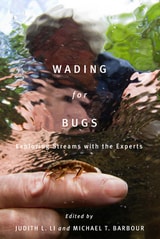
Wading for Bugs
Exploring Streams with the ExpertsJudith L. Li
Oregon State University Press, 2011
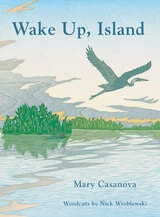
Wake Up, Island
Mary Casanova
University of Minnesota Press, 2016
Wake up, little one, a soft voice beckons, the world around you is already stirring. As Wake Up, Island gently rouses the sleepy child, it summons a world of nature coming to life on a summer island in the magical North Woods. Sunlit fingers touch the shores, pine trees stretch their limbs, and lichen warms on ancient rock. Doe and fawn rise from their grass bed and pearls of dew bead a spider’s finely woven web. Mallards skim the water’s surface. Ravens perch and gargle greetings, chickadees call dee, dee, dee, and a heron swoops—minnows flee! The moose and her calf wade, munching on plants. The red squirrel chatters. The black bear lazily scratches her back against a tree.
Conjuring the morning life around a cabin fragrant with berry pancakes, this timeless book wakens the child in every reader to the wonders of nature that greet every new day in the charmed world of a northern woodland island.
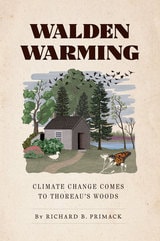
Walden Warming
Climate Change Comes to Thoreau's WoodsRichard B. Primack
University of Chicago Press, 2014
In Walden Warming, Richard B. Primack uses Thoreau and Walden, icons of the conservation movement, to track the effects of a warming climate on Concord’s plants and animals. Under the attentive eyes of Primack, the notes that Thoreau made years ago are transformed from charming observations into scientific data sets. Primack finds that many wildflower species that Thoreau observed—including familiar groups such as irises, asters, and lilies—have declined in abundance or have disappeared from Concord. Primack also describes how warming temperatures have altered other aspects of Thoreau’s Concord, from the dates when ice departs from Walden Pond in late winter, to the arrival of birds in the spring, to the populations of fish, salamanders, and butterflies that live in the woodlands, river meadows, and ponds.
Primack demonstrates that climate change is already here, and it is affecting not just Walden Pond but many other places in Concord and the surrounding region. Although we need to continue pressuring our political leaders to take action, Primack urges us each to heed the advice Thoreau offers in Walden: to “live simply and wisely.” In the process, we can each minimize our own contributions to our warming climate.
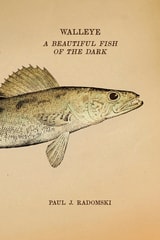
Walleye
A Beautiful Fish of the DarkPaul J. Radomski
University of Minnesota Press, 2022
Walleye, the holy grail of game fish: on catching them, understanding their biology and history, and ensuring their survival
Among the more than 34,000 species of fish, few have the walleye’s following—among anglers and diners, states conferring official status on the fish, and towns battling for recognition as the Walleye Capital of the World. And among those passionate fans, few know the walleye as well as Paul J. Radomski does—a fisheries biologist, lake ecology scientist, and old fisherman. In Walleye: A Beautiful Fish of the Dark he unspools the mysteries of this fascinating fish.
Radomski looks at walleye from every angle, with something to say to the curious naturalist, committed ecologist, and avid fishing enthusiast. People who view walleye as the “lion of the lakes” might be surprised to learn that rivers are their ancestral habitat. Some might wonder about the name “wall-eye,” a nod to an evolutionary adaptation to dark water environments. Others might simply ask: why walleye? What are they, where do they exist, how do they survive, and how have people come to depend on them? Radomski discusses the principles and pitfalls of managing this predator of the twilight (and the history and methods of doing so) and shares his informed perspective on when and where stocking is prudent. Finally, he explores three of the best walleye lakes: Winnebago, the largest inland walleye fishery in Wisconsin, and Mille Lacs and Red Lake in Minnesota.
From the simple pleasures of fishing for walleye to the most pressing questions about how this species survives, this book is the best word on this beautiful fish of the dark.
Wapiti Wilderness
Margaret Murie
University Press of Colorado, 1987
For over 37 years, Margaret and Olaus Murie made their home in the mountainous wilderness of the Tetons, where Olaus Murie conducted his famous studies of the American elk: the wapiti. Through these years their home was almost a nature-conservation shrine to thousands of Americans interested in outdoors, animals, and nature. Wapiti Wilderness, begun by Mrs. Murie as a sequel to her book Two in the Far North, which told of the Muries' life and expeditions in Alaska, became a collaborative effort by both the Muries.
In alternate chapters, Olaus tells of his work as a field biologist for the old U.S. Bureau of Biological Survey and recounts stories of his studies of not only elk but also other great animals. And Mrs. Murie, from her side, describes their life together on the trail and in the various camps and nature adventures in that wilderness during all four seasons. The book is replete with stories of Jackson Hole residents, “pioneer poets,” and the wild creatures that made their way into the Murie household. Olaus Murie's evocative pen-and-ink drawings illuminate each chapter, and four pages of photographs help complete the picture of what life was like in the wapiti wilderness.
War Horse
A History of the Military Horse and RiderLouis A. DiMarco
Westholme Publishing, 2008
The Role of Horses in Battle From Ancient Egypt to Modern Afghanistan
For more than four thousand years, the horse and rider have been an integral part of warfare. Armed with weapons and accessories ranging from a simple javelin to the hand-held laser designator, the horse and rider have fought from the steppes of central Asia to the plains of North America. Understanding the employment of the military horse is key to understanding the successes and the limitations of military operations and campaigns throughout history. Over the centuries, horses have been used to pull chariots, support armor-laden knights, move scouts rapidly over harsh terrain, and carry waves of tightly formed cavalry. In War Horse: A History of the Military Horse and Rider, Louis A. DiMarco discusses all of the uses of horses in battle, including the Greek, Persian, and Roman cavalry, the medieval knight and his mount, the horse warriors—Huns, Mongols, Arabs, and Cossacks—the mounted formations of Frederick the Great and Napoleon, and mounted unconventional fighters, such as American Indians, the Boers, and partisans during World War II. The book also covers the weapons and forces which were developed to oppose horsemen, including longbowmen, pike armies, cannon, muskets, and machine guns. The development of organizations and tactics are addressed beginning with those of the chariot armies and traced through the evolution of cavalry formations from Alexander the Great to the Red Army of World War II.
In addition, the author examines the training and equipping of the rider and details the types of horses used as military mounts at different points in history, the breeding systems that produced those horses, and the techniques used to train and control them. Finally, the book reviews the importance of the horse and rider to battle and military operations throughout history, and concludes with a survey of the current military use of horses. War Horse is a comprehensive look at this oldest and most important aspect of military history, the relationship between human and animal, a weapons system that has been central to warfare longer than any other.
Warblers in Your Pocket
A Guide to Wood-Warblers of the Upper MidwestDana Gardner
University of Iowa Press, 2016
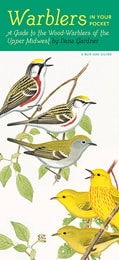
This newest addition to Iowa’s popular series of laminated guides—the twenty-eighth in the series—illustrates the thirty-eight species of warblers that occur in the Upper Midwest states of Minnesota, Illinois, Nebraska, Kansas, North Dakota, South Dakota, Iowa, Indiana, Michigan, Ohio, and Wisconsin. For each species, artist Dana Gardner provides length, range, and habitat; he illustrates male, female, and immature birds where plumage varies; and he includes birds similar to warblers such as kinglets and vireos.
For all their brilliance, warblers can be hard to identify, particularly in the fall—the phrase “confusing fall warblers” was coined for a reason—and when they are in immature plumage. Quick-moving and often found in treetops, they can be challenging even in spring, and the drabber colors of the young birds of the season and of many fall adults can make identification difficult. The illustrations and descriptions in Warblers in Your Pocket will be a most welcome reference for bird watchers throughout the Midwest.
Watching Wildlife
Cynthia Chris
University of Minnesota Press, 2006

Waterfowl in Winter
Milton W. Weller, Editor
University of Minnesota Press, 1988
Waterfowl in Winter was first published in 1988. Minnesota Archive Editions uses digital technology to make long-unavailable books once again accessible, and are published unaltered from the original University of Minnesota Press editions.
The emphasis in research on waterfowl has traditionally focused on breeding as opposed to migrant or wintering birds. Scientists have long been interested in courtship, nest sites, laying, and brood-rearing, and they have also been concerned about losses of eggs, young, nesting hens, and breeding habitats, especially as they have affected the goal of increasing populations. But lately there has been an upsurge of interest and research on the migratory and wintering phases, and this volume offers ample evidence of the knowledge gained.
The authors—105 waterfowl biologists—have contributed 47 chapters that range geographically from Alaska to northern South America, and from the Pacific Northwest to Nova Scotia and Florida. Their subjects include: distributional changes due to human influence; population trends and concerns over less common species; pairing and other behavior that occurs in the wintering areas and is vital to the success of the species; feeding ecology and body condition during winter; new habitats created by such activities as aquaculture and park development; losses of habitat due to development and drainage for alternate uses; lead poisoning and pollutants that are detrimental to waterfowl; habitat management for maintenance of successful populations now and in the future. Also presented are reports of workshop discussions outlining current issues and future research needs. Preparation of this volume was assisted by an editorial board comprising Bruce J. J. Batt, Robert H. Chabreck, Leigh H. Fredrickson, and Dennis G. Raveling.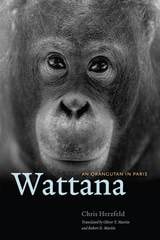
Wattana
An Orangutan in ParisChris Herzfeld
University of Chicago Press, 2016
Offering a uniquely intimate look at the daily lives of captive great apes, Herzfeld uses Wattana’s life to trace the history of orangutans from their first arrival in Europe in 1776 to the inhabitants of the Zoo of Paris and other zoos today. She provides a close look at the habits, technical know-how, and skills of Wattana, who, remarkably, uses strings, paper rolls, rope, and even pieces of wood to make things. And she thoughtfully explores how apes individually—and often with ingenuity—come to terms with and adapt to their captive environments and caretakers. Through these stories, Wattana sympathetically reveals the extraordinary psychology and distinctive personalities of great apes as well as the interconnections between animal and human lives, especially in zoos.
Scientists predict that orangutans will disappear from the wild by 2030, and captive animals like Wattana may, as a result, provide our best chance to understand and appreciate their astonishing intelligence and abilities. Wattana, the accomplished maker of knots, is the hero of this poignant book, which will enthrall anyone curious about the lives of our primate cousins.
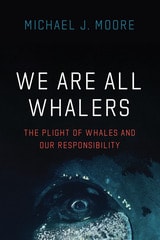
We Are All Whalers
The Plight of Whales and Our ResponsibilityMichael J. Moore
University of Chicago Press, 2021
Relating his experiences caring for endangered whales, a veterinarian and marine scientist shows we can all share in the salvation of these imperiled animals.
The image most of us have of whalers includes harpoons and intentional trauma. Yet eating commercially caught seafood leads to whales’ entanglement and slow death in rope and nets, and the global shipping routes that bring us readily available goods often lead to death by collision. We—all of us—are whalers, marine scientist and veterinarian Michael J. Moore contends. But we do not have to be.
Drawing on over forty years of fieldwork with humpback, pilot, fin, and, in particular, North Atlantic right whales—a species whose population has declined more than 20 percent since 2017—Moore takes us with him as he performs whale necropsies on animals stranded on beaches, in his independent research alongside whalers using explosive harpoons, and as he tracks injured whales to deliver sedatives. The whales’ plight is a complex, confounding, and disturbing one. We learn of existing but poorly enforced conservation laws and of perennial (and often failed) efforts to balance the push for fisheries profit versus the protection of endangered species caught by accident.
But despite these challenges, Moore’s tale is an optimistic one. He shows us how technologies for ropeless fishing and the acoustic tracking of whale migrations make a dramatic difference. And he looks ahead with hope as our growing understanding of these extraordinary creatures fuels an ever-stronger drive for change.
For more information on Moore’s book and research, please visit his webpage at the Woods Hole Oceanographic Institution.
We Are All Whalers
The Plight of Whales and Our ResponsibilityMichael J. Moore
University of Chicago Press, 2021
Relating his experiences caring for endangered whales, a veterinarian and marine scientist shows we can all share in the salvation of these imperiled animals.
The image most of us have of whalers includes harpoons and intentional trauma. Yet eating commercially caught seafood leads to whales’ entanglement and slow death in rope and nets, and the global shipping routes that bring us readily available goods often lead to death by collision. We—all of us—are whalers, marine scientist and veterinarian Michael J. Moore contends. But we do not have to be.
Drawing on over forty years of fieldwork with humpback, pilot, fin, and, in particular, North Atlantic right whales—a species whose population has declined more than 20 percent since 2017—Moore takes us with him as he performs whale necropsies on animals stranded on beaches, in his independent research alongside whalers using explosive harpoons, and as he tracks injured whales to deliver sedatives. The whales’ plight is a complex, confounding, and disturbing one. We learn of existing but poorly enforced conservation laws and of perennial (and often failed) efforts to balance the push for fisheries profit versus the protection of endangered species caught by accident.
But despite these challenges, Moore’s tale is an optimistic one. He shows us how technologies for ropeless fishing and the acoustic tracking of whale migrations make a dramatic difference. And he looks ahead with hope as our growing understanding of these extraordinary creatures fuels an ever-stronger drive for change.
For more information on Moore’s book and research, please visit his webpage at the Woods Hole Oceanographic Institution.
Welcome to My Farm
Mary Lewandowski
Wisconsin Historical Society Press, 2026
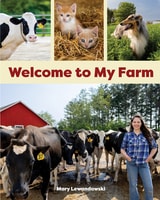
Mary Lewandowski helps her family at their dairy farm in Wisconsin. Her great-great-great-grandparents founded the farm more than a hundred years ago. Today, the farm has some fifty cows that must be fed, milked, and kept happy and healthy. Corn and alfalfa need to be planted and harvested for their feed. It’s all a lot of work for Mary, but she loves her cows, and they provide us with milk to drink, cheese and ice cream to eat, and many other delicious dairy treats.
Welcome to My Farm is a fun and illuminating look at farm life in the heart of America’s Dairyland. Aimed at young readers age four and up, the book shares fascinating facts about dairy cows and the crops that farmers grow. Presenting a day in the life of a small dairy farm, Welcome to My Farm reveals the many ways that Mary takes care of her cows and how farms help feed our communities. Readers will also meet cuddly kittens and Mary’s two collies, Buffy and Buddy!
Young readers will find the answers to many common dairy-farm questions, such as:
- How do you milk a cow?
- What types of food are made from cow’s milk?
- How much does a cow eat and drink in a day?
- How much does a calf weigh when it’s born?
- What types of crops do dairy farmers grow?
- What do farmers use tractors for?
- What happens in a silo?
Illustrated with dozens of color photos, Welcome to My Farm helps young readers understand and appreciate how dairy farms work and the central role that agriculture plays in the food we eat.
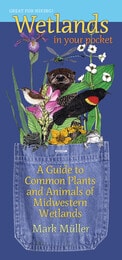
Wetlands in Your Pocket
A Guide to Common Plants and Animals of Midwestern WetlandsMuller, Mark
University of Iowa Press, 2005
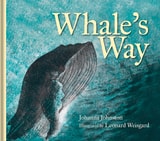
Whale's Way
Johanna Johnston
Bodleian Library Publishing, 2015
Whale’s Way introduces young readers to the humpback whale, one of the world’s largest creatures. With winter almost here, the gentle giants must swim, spouting and leaping, to the warmer waters near the equator. But, during the dangerous journey, the whales meet a band of hunters who wish them harm, and they must escape and guide the baby whales to safety.
Few things pique children’s curiosity about the world around them better than a good book. Brought back for a new generation of young readers, Whale’s Way offers a fun and creative introduction to these fascinating animals.
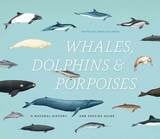
Whales, Dolphins, and Porpoises
A Natural History and Species GuideEdited by Annalisa Berta
University of Chicago Press, 2015
Opening with an accessible rundown of cetacean biology—including the most recent science on feeding, mating, and communication—Whales, Dolphins, and Porpoises then presents species-specific natural history on a range of topics, from anatomy and diet to distribution and conservation status. Each entry also includes original drawings of the species and its key identifiers, such as fin shape and color, tooth shape, and characteristic markings as they would appear both above and below water—a feature unique to this book.
Figures of myth and—as the debate over hunting rages on—figures of conflict since long before the days of Moby-Dick, whales, dolphins, and porpoises are also ecologically important and, in many cases, threatened. Written for general enthusiasts, emergent cetacean fans, and biologists alike, this stunning, urgently needed book will serve as the definitive guide for years to come.
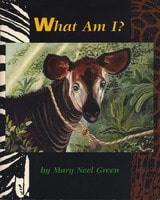
What Am I?
By Mary Neel Green
University of Texas Press, 1999
In the dense, shady rain forest, it's easy for a little guy to get lost from his mother. When a young okapi wanders away from his mom, he discovers the world of people and learns that he is a very special animal, different from all the rest. But still he misses his mother and their home in the forest. How can he get back?
This heartwarming tale with a happy ending introduces children from ages three to eight to the okapi, a graceful, elusive animal native to the Ituri Forest of Congo-Zaire. Based on the true story of an okapi calf that escaped from captivity, it is sure to delight young animal lovers, while teaching them basic facts about the family life of the okapi. A brief afterword provides more information for parents and older children.

What Can Cats Do?
Abner Graboff
Bodleian Library Publishing, 2018
Abner Graboff combines the voice of childhood innocence with a wonderful sense of fun in his quirky book about the mysteries of cats and their secret lives, inspired by the Graboff family’s own beloved cat Tarzan. Told from the point of view of a young child, this whimsical tale is complemented by Graboff’s characteristically playful and bold illustrations.
What Is a Dog?
Raymond Coppinger and Lorna Coppinger
University of Chicago Press, 2016
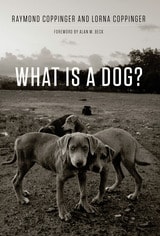
Exploring the natural history of these animals, the Coppingers explain how the village dogs of Vietnam, India, Africa, and Mexico are strikingly similar. These feral dogs, argue the Coppingers, are in fact the truly archetypal dogs, nearly uniform in size and shape and incredibly self-sufficient. Drawing on nearly five decades of research, they show how dogs actually domesticated themselves in order to become such efficient scavengers of human refuse. The Coppingers also examine the behavioral characteristics that enable dogs to live successfully and to reproduce, unconstrained by humans, in environments that we ordinarily do not think of as dog friendly.
Providing a fascinating exploration of what it actually means—genetically and behaviorally—to be a dog, What Is a Dog? will undoubtedly change the way any beagle or bulldog owner will reflect on their four-legged friend.
When Dinosaurs Roamed New Jersey
William B. Gallagher
Rutgers University Press, 1997
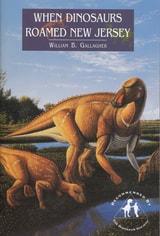
Did you know that Benjamin Franklin examined the first dinosaur bone in America from Woodbury, Gloucester County, in 1787--decades before the word dinosaur was even coined? Or that when the first reasonably complete dinosaur skeleton in the world was unearthed in Haddonfield, Camden County, in 1858, it was a major scientific breakthrough which forced paleontologists to completely revise their picture of dinosaur anatomy? Few people know that New Jersey is the nursery of American vertebrate paleontology!
When Dinosaurs Roamed New Jersey provides a succinct and readable history of the geology and paleontology of New Jersey from the time the region was covered by Cambrian seas, 543 million years ago, to the Pleistocene Ice Age only 10-15,000 years ago. William Gallagher tells the stories of professional and amateur fossil hunters, their discoveries, and their impact on the history of paleontological thought. He points out places in New Jersey and nearby where specimens characteristic of each era were found. He shows how fossil evidence found in the state is helping paleontologists uncover the ecological interactions and behavior of dinosaurs, and discusses such ongoing scientific controversies as the reason for the extinction of the dinosaurs.
From tracking dinosaur footprints across the Newark basin, to digging for the last dinosaurs in the greensands of South Jersey, to finding a mushroom in ancient amber in East Brunswick, this book is the ideal introduction to the Garden State's fossils and prehistory.
Where Do Birds Live?
Claudia McGehee
University of Iowa Press, 2010
Claudia McGehee brought the glory of the prairie to life in A Tallgrass Prairie Alphabet and explored the wonders of the woodlands in A Woodland Counting Book. Now this award-winning artist focuses on the birds of the United States, bringing children and their parents closer to the habitats and lives of birds from the Pacific coast to open rangeland to the cityscape of Manhattan.
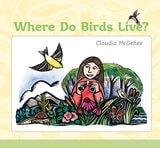
McGehee introduces us to fourteen representative habitats, giving each its own double-page spread that features a signature bird. She devotes one page of each spread to depicting the bird in the full complexity of its complete habitat—at home in its environment with other animal companions—and the other page describes and illustrates its nesting, feeding, soaring, and paddling lifeways. Highlighting ideas for preserving and protecting each habitat and its inhabitants, McGehee also provides ways that children can make their own backyards safe havens for birdlife while they learn to enjoy the magic of birdwatching.
Claudia’s birds include bobolinks on the tallgrass prairie, common ravens in the Pacific rainforest, brown pelicans on barrier islands in the Gulf of Mexico, scarlet tanagers in the northwoods, red-cockaded woodpeckers in longleaf pine forests, greater roadrunners in the southwestern desert, and roseate spoonbills in red mangrove forests. Her energizing, engaging illustrations create worlds of vibrant color that ring with the calls and songs of birds across the panorama of American landscapes.
Where the Buffalo Roam
Restoring America's Great PlainsAnne Matthews
University of Chicago Press, 2002
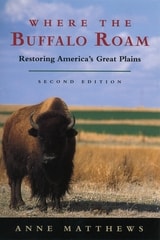
This edition includes a new foreword by environmental historian Donald Worster. Matthews's new afterword describes how with growing support from Native Americans and private groups like the Nature Conservancy, the Poppers' dream of a Buffalo Commons is becoming a reality.
"An admirably crafted book, as poignant and entertaining as it is informative."—Seattle Times
"A priceless piece of Americana."—The Boston Globe
"Matthew's delightful account of the Poppers, their proposal and the controversy surrounding it does focus new attention on the region and its problems."—The Philadelphia Inquirer
"Bright, active, effective journalism. . . . An extremely savvy overlook of the dilemmas of the Great Plains."—Wallace Stegner
Whose Dog Are You?
The Technology of Dog Breeds and The Aesthetics of Modern Human-Canine RelationsMartin Wallen
Michigan State University Press, 2017
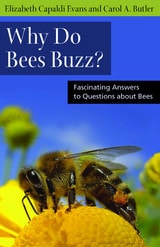
Why Do Bees Buzz?
Fascinating Answers to Questions about BeesElizabeth Capaldi Evans and Carol A. Butler
Rutgers University Press, 2010
Why Do Bees Buzz? reports on the mysterious "colony collapse disorder" that has affected honey bee populations, as well as other captivating topics, such as their complex, highly social lives, and how other species of bees are unique and different from honey bees. Organized in chapters that cover everything from these provocative pollinators' basic biology to the aggressive nature of killer bees, this insightful question and answer guide provides a honeycomb of compelling facts.
With clarity and depth, bee biologist Elizabeth Capaldi Evans and coauthor Carol A. Butler examine the lives of honey bees, as well as other species such as orchid bees, bumblebees, and stingless bees. Accessible to readers on every level, and including the latest research and theory for the more sophisticated reader, the authors reveal more than one hundred critical answers to questions about the lives of bees.
Concepts about speciation, evolutionary adaptation and pollination, as well as historical details about topics such as Mayan beekeeping and the appearance of bees in rock art, are arranged in easy-to-follow sidebars that highlight the text. Color and black and white photographs and drawings enhance the beauty and usefulness of Why Do Bees Buzz?
Wild Animal Story
edited by Ralph H. Lutts
Temple University Press, 2001
At the beginning of the twentieth century, the wild animal story emerged in Canadian literature as a distinct genre, in which animals pursue their own interests—survival for themselves, their offspring, and perhaps a mate, or the pure pleasure of their wildness.
Bringing together some of the most celebrated wild animal stories, Ralph H. Lutts places them firmly in the context of heated controversies about animal intelligence and purposeful behavior. Widely regarded as entertaining and educational, the early stories—by Charles G. D. Roberts, Ernest Thompson Seton, John Muir, Jack London and others—had an avid readership among adults and children. But some naturalists and at least one hunter—Theodore Roosevelt—discredited these writers as "nature fakers," accusing them of falsely portraying animal behavior.
The stories and commentaries collected here span the twentieth century. As present day animal behaviorists, psychologists, and the public attempt to sort out the meaning of what animals do and our obligations to them, Ralph Lutts maps some of the prominent features of our cultural landscape.
•
•
•
Other selections include essays by Theodore Roosevelt, John Burroughs, Margaret Atwood, and Ralph H. Lutts.
postamble();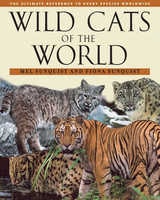
Wild Cats of the World
Mel Sunquist and Fiona Sunquist
University of Chicago Press, 2002
Wild Cats of the World is a treasure trove of answers to questions like these, and many others, for anyone who's interested in learning more about the world's felids, including the ones with whom we share our homes. Mel and Fiona Sunquist have spent more than a decade gathering information about cats from every available source, many of them quite difficult to find, including scientific papers, descriptions of hunts, archeological findings, observations by naturalists and travelers, reports from government agencies, and newsletters from a wide variety of organizations. Weaving information from these sources together with their own experiences observing wild cats around the world, the Sunquists have created the most comprehensive reference on felids available. Each of their accounts of the 36 species of cat contains a description of the cat, including human interactions with it, as well as detailed data on its distribution, ecology and behavior, status in the wild, and efforts to conserve it. Numerous photographs, including more than 40 in full color, illustrate these accounts.
Ranging from the two-pound black-footed cat to the five-hundred-pound tiger, and from the African serval with its satellite-dish ears to the web-footed fishing cat of Asia, Wild Cats of the World will fascinate and educate felid fans of any stripe (or spot).
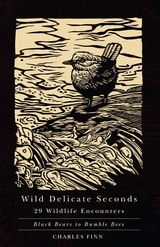
Wild Delicate Seconds
29 Wildlife EncountersCharles Finn
Oregon State University Press, 2012
In Wild Delicate Seconds, Charles Finn captures twenty-nine chance encounters with the everyday—and not so everyday—animals, birds, and insects of North America.
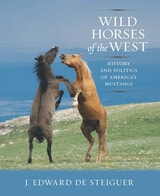
Wild Horses of the West
History and Politics of America's MustangsJ. Edward de Steiguer
University of Arizona Press, 2011
In Wild Horses of the West, J. Edward de Steiguer provides an entertaining and well-researched look at one of the most controversial animal welfare issues of our time—the protection of free-roaming horses on the West’s public lands. This is the first book in decades to include the entire story of these magnificent animals, from their evolution and biology to their historical integration into conquistador, Native American, and cowboy cultures. And the story isn’t over. De Steiguer goes on to address the modern issues— ecology, conservation, and land management—surrounding wild horses in the West today.
Featuring stunning color photographs of wild horses, this extremely thorough and engaging blend of history, science, and politics will appeal to students of the American West, conservation activists, and anyone interested in the beauty and power of these striking animals.
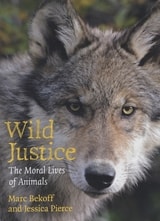
Wild Justice
The Moral Lives of AnimalsMarc Bekoff and Jessica Pierce
University of Chicago Press, 2009
Scientists have long counseled against interpreting animal behavior in terms of human emotions, warning that such anthropomorphizing limits our ability to understand animals as they really are. Yet what are we to make of a female gorilla in a German zoo who spent days mourning the death of her baby? Or a wild female elephant who cared for a younger one after she was injured by a rambunctious teenage male? Or a rat who refused to push a lever for food when he saw that doing so caused another rat to be shocked? Aren’t these clear signs that animals have recognizable emotions and moral intelligence? With Wild Justice Marc Bekoff and Jessica Pierce unequivocally answer yes.
Marrying years of behavioral and cognitive research with compelling and moving anecdotes, Bekoff and Pierce reveal that animals exhibit a broad repertoire of moral behaviors, including fairness, empathy, trust, and reciprocity. Underlying these behaviors is a complex and nuanced range of emotions, backed by a high degree of intelligence and surprising behavioral flexibility. Animals, in short, are incredibly adept social beings, relying on rules of conduct to navigate intricate social networks that are essential to their survival. Ultimately, Bekoff and Pierce draw the astonishing conclusion that there is no moral gap between humans and other species: morality is an evolved trait that we unquestionably share with other social mammals.
Sure to be controversial, Wild Justice offers not just cutting-edge science, but a provocative call to rethink our relationship with—and our responsibilities toward—our fellow animals.
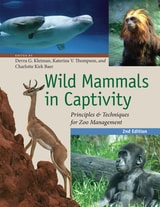
Wild Mammals in Captivity
Principles and Techniques for Zoo Management, Second EditionEdited by Devra G. Kleiman, Katerina V. Thompson, and Charlotte Kirk Baer
University of Chicago Press, 2010
Zoos, aquaria, and wildlife parks are vital centers of animal conservation and management. For nearly fifteen years, these institutions have relied on Wild Mammals in Captivity as the essential reference for their work. Now the book reemerges in a completely updated second edition. Wild Mammals in Captivity presents the most current thinking and practice in the care and management of wild mammals in zoos and other institutions. In one comprehensive volume, the editors have gathered the most current information from studies of animal behavior; advances in captive breeding; research in physiology, genetics, and nutrition; and new thinking in animal management and welfare.
In this edition, more than three-quarters of the text is new, and information from more than seventy-five contributors is thoroughly updated. The standard text for all courses in zoo biology, Wild Mammals in Captivity will, in its new incarnation, continue to be used by zoo managers, animal caretakers, researchers, and anyone with an interest in how to manage animals in captive conditions.
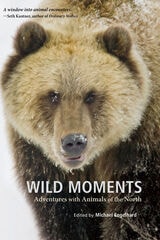
Wild Moments
Adventures with Animals of the NorthEdited by Michael Engelhard
University of Alaska Press, 2009
It is nearly impossible to live in Alaska without being influenced by its natural environment. Residents have no choice but to coexist with the Alaska wilderness and its animal inhabitants, and this extraordinary experience—along with the stunning landscape—is what often draws people to Alaska. Wild Moments offers a fascinating range of creative nonfiction essays that describe the chance meetings that bring Alaska residents face to face with their animal neighbors. These imaginative accounts speak to the ability of nature to transform the human experience, and the authors urge us through their works to protect these often threatened creatures who share our planet.
The contributors to this collection include some of Alaska’s most prestigious nature writers, such as Peggy Shumaker, Ned Rozell, Nick Jans, Debbie S. Miller, Craig Childs, Richard Nelson, and Drew Pogge. Wild Moments presents some of the best and most innovative nonfiction writing in an environmental context, and it will be of interest to all readers with a passion and concern for the natural world.
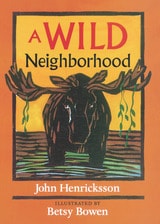
Wild Neighborhood
John Henricksson
University of Minnesota Press, 1997
An entertaining portrait of the creatures that share our place in the woods.
John Henricksson’s neighbors stop by to chat or to have a bite to eat or just to sit and watch. But in his Wild Neighborhood the visitors are the black bear, gray jay, timber wolf, owl, white-tailed deer, raven, and the moose.
A Wild Neighborhood is a collection of elegantly written essays about these creatures. From kitchen-table gossip about the black bear’s recent attempts to raid the bird feeder, to the retelling of Native American myths about the mischievous raven, Henricksson shows a love and understanding of the residents with whom he shares the narrow wedge of the Superior National Forest in northeastern Minnesota.Henricksson writes of the personal relationships that develop while living in the woods. He tells of the joy of helping a deer survive a tough winter and the mystery of animals he calls “ghosts”—species that are extinct or near extinct but still have a fleeting presence in the area. Award-winning artist Betsy Bowen, author of Antler, Bear, Canoe: A Northwoods Alphabet Year, beautifully depicts the denizens of the forest. Her twenty-four woodcuts reflect, often humorously, Henricksson’s respect for and love of northwoods creatures.This personal account of a vibrant community in the woods will appeal to readers of all ages and make a beautiful gift for everyone who has admired the creatures of his or her own wild neighborhood.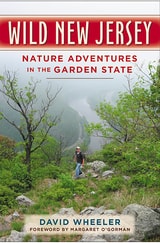
Wild New Jersey
Nature Adventures in the Garden StateDavid Wheeler
Rutgers University Press, 2011
Wild New Jersey invites readers along Wheeler’s whirlwind year-long tour of the most ecologically diverse state for its size in America. Along with the expert guidance of charismatic wildlife biologists and local conservationists, he explores mountains, valleys, beaches, pine barrens, caves, rivers, marshlands, and more—breathtaking landscapes and the state’s Noah’s Ark of fascinating creatures.
This isn’t your ordinary ride on the Jersey Turnpike. Fasten your seatbelts and join Wheeler as he . . .
- Kayaks through the Meadowlands under the watchful eye of the Empire State Building,
- Pans for cretaceous fossils in a hidden brook once home to mastodons and giant sloths,
- Rides a fishing boat in the frigid snows of winter on a high-seas quest for Atlantic puffins,
- Trudges through the eerie darkness of a bog on a mysterious night hike,
- Dogsleds across the windswept alpine slopes in the haunts of the porcupine and bobcat.
With Wheeler’s compelling narrative, in-depth background details, and eye for revealing the offbeat, you can count this as the first nature book to paint the extraordinary picture of New Jersey’s unlikely wilderness in all its glory. Come along for all the adventure and insight in Wild New Jersey!
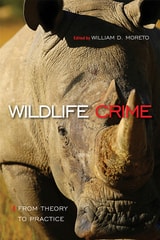
Wildlife Crime
From Theory to PracticeWilliam D.Moreto
Temple University Press, 2018
The editors and contributors to Wildlife Crime examine topical issues from extinction to trafficking in order to understand the ecological, economic, political, and social costs and consequences of these crimes. Drawing from diverse theoretical perspectives, empirical and methodological developments, and on-the-ground experiences of practitioners, this comprehensive volume looks at how conservationists and law enforcement grapple with and combat environmental crimes and the profitable market for illegal trade.
Chapters cover criminological perspectives on species poaching, unregulated fishing, the trading of ivory and rhino horns, the adoption of conservation technologies, and ranger workplaces and conditions. The book includes firsthand experiences and research from China, Indonesia, Kenya, Madagascar, Morocco, Peru, Russia, South Africa, Tanzania, and the United States. The result is a significant book about the causes of and response to wildlife crime.
Contributors include: Johan Bergenas, Avi Brisman, Craig Forsyth, Meredith Gore, Georg Jaster, Alex Killion, Kasey Kinnard, Antony C. Leberatto, Barney Long, Nerea Marteache, Gohar Petrossian, Jonah Ratsimbazafy, Gary Roloff, Viviane Seyranian, Louise Shelley, Rohit Singh, Nicole Sintov, Nigel South, Milind Tambe, Daan van Uhm, Greg Warchol, Rodger Watson, Rob White, Madelon Willemsen, and the editor.
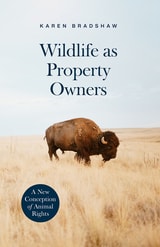
Wildlife as Property Owners
A New Conception of Animal RightsKaren Bradshaw
University of Chicago Press, 2020
Wildlife in the Anthropocene
Conservation after NatureJamie Lorimer
University of Minnesota Press, 2015
Elephants rarely breed in captivity and are not considered domesticated, yet they interact with people regularly and adapt to various environments. Too social and sagacious to be objects, too strange to be human, too captive to truly be wild, but too wild to be domesticated—where do elephants fall in our understanding of nature?
In Wildlife in the Anthropocene, Jamie Lorimer argues that the idea of nature as a pure and timeless place characterized by the absence of humans has come to an end. But life goes on. Wildlife inhabits everywhere and is on the move; Lorimer proposes the concept of wildlife as a replacement for nature. Offering a thorough appraisal of the Anthropocene—an era in which human actions affect and influence all life and all systems on our planet— Lorimer unpacks its implications for changing definitions of nature and the politics of wildlife conservation. Wildlife in the Anthropocene examines rewilding, the impacts of wildlife films, human relationships with charismatic species, and urban wildlife. Analyzing scientific papers, policy documents, and popular media, as well as a decade of fieldwork, Lorimer explores the new interconnections between science, politics, and neoliberal capitalism that the Anthropocene demands of wildlife conservation.
Imagining conservation in a world where humans are geological actors entangled within and responsible for powerful, unstable, and unpredictable planetary forces, this work nurtures a future environmentalism that is more hopeful and democratic.
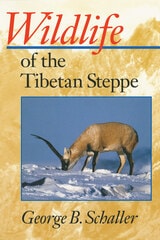
Wildlife of the Tibetan Steppe
George B. Schaller
University of Chicago Press, 1998
The plains ungulates are the main focus of this book—especially the Tibetan antelope, or chiru, whose migrations define this ecosystem much as those of the wildebeest define the Serengeti. Schaller's descriptions of mammal numbers and distribution, behavior, and ecology provide baseline information that may allow wildlife, grasslands, and pastoralists to continue to coexist harmoniously in this region.
This project led to the creation of the 130,000-square-mile Chang Tang Reserve by the Tibetan government in 1993, and Wildlife of the Tibetan Steppe should help promote future studies as well as conservation and management efforts.
"Schaller makes significant contributions to an understanding of the origins and ecology of Tibetan wildlife that will thrill specialists. . . . Schaller's book is much more than an ecological synthesis. It is a quest for conservation, a case history by a very brave and capable man, driven by no small passion to prevent the tragedy of extinction that looms over Tibet's fauna. His book touches not only the mind but also the heart, and in the context of conservation and the future it raises questions to torture the soul. . . . Wildlife of the Tibetan Steppe will long remain a unique, important source of biological, but also sociological, insights and challenges. I found it well written and difficult to put down."—Valerius Geist, Nature
"The topics in Wildlife of the Tibetan Steppe are at least as diverse as the topography; they range from geology and paleoecology to descriptions of ungulates and carnivores unknown to most of the non-Chinese speaking world. Individual chapters focus on kiangs, Bactrian camels, yaks, chirus, blue sheep, and Tibetan argalis and gazelles. Not only is much of the biological information new, but subsumed within these chapters are current and past estimates of population sizes both in the Chang Tang Reserve and in protected and nonprotected areas of 'the' plateau. Insights are provided into social structure, and speculations about the evolution and adaptive bases of behavior are carefully offered. Subsequent chapters involve discussions of carnivore communities and interactions between people and wildlife, including the localized but devastating effects of poachers. . . . This book has something for all audiences. . . . [A]n exciting testimony to the past and present status of a biologically spectacular region."—Joel Berger, Conservation Biology
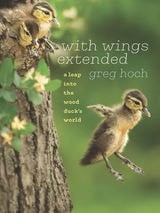
With Wings Extended
A Leap into the Wood Duck's WorldGreg Hoch
University of Iowa Press, 2020
A century ago, many people had given up on the wood duck, dooming it to extinction along with the passenger pigeon and Carolina parakeet. Today, it’s one of the most familiar and most harvested ducks in the eastern half of the country, and one of America’s great conservation success stories.
In With Wings Extended, Minnesota conservationist Greg Hoch introduces readers to a duck they probably recognize but may not know well. This book shows how almost anyone can get involved in conservation and do something for wildlife beyond writing checks to conservation organizations. Hoch illustrates the complexities of wildlife and habitat management that landowners as well as state and federal wildlife agencies deal with on a daily basis, and takes readers through the life stages of what is largely considered the most beautiful duck in the world. In this fascinating and practical read, Hoch blends the historical literature about the species with modern science, and also shows how our views of conservation have changed over the last century.
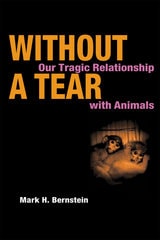
Without a Tear
Our Tragic Relationship with AnimalsMark H. Bernstein
University of Illinois Press, 2004
Most people who write about our ethical obligations concerning animals base their arguments on emotional appeals or contentious philosophical assumptions; Bernstein, however, argues from reasons but carries little theoretical baggage. He considers the issues in a religious context, where he finds that Judaism in particular has the resources to ground moral obligations to animals. Without a Tear also makes novel use of feminist ethics to add to the case for drawing animals more closely into our ethical world.
Bernstein details the realities of factory farms, animal-based research, and hunting fields, and contrasting these chilling facts with our moral imperatives clearly shows the need for fundamental changes to some of our most basic animal institutions. The tightly argued, provocative claims in Without a Tear will be an eye-opening experience for animal lovers, scholars, and people of good faith everywhere.
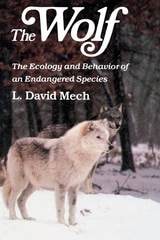
Wolf
The Ecology and Behavior of an Endangered SpeciesDavid Mech
University of Minnesota Press, 1981
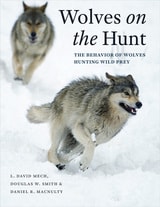
Wolves on the Hunt
The Behavior of Wolves Hunting Wild PreyL. David Mech, Douglas W. Smith, and Daniel R. MacNulty
University of Chicago Press, 2015
Combining behavioral data, thousands of hours of original field observations, research in the literature, a wealth of illustrations, and—in the e-book edition and online—video segments from cinematographer Robert K. Landis, the authors create a compelling and complex picture of these hunters. The wolf is indeed an adept killer, able to take down prey much larger than itself. While adapted to hunt primarily hoofed animals, a wolf—or especially a pack of wolves—can kill individuals of just about any species. But even as wolves help drive the underlying rhythms of the ecosystems they inhabit, their evolutionary prowess comes at a cost: wolves spend one-third of their time hunting—the most time consuming of all wolf activities—and success at the hunt only comes through traveling long distances, persisting in the face of regular failure, detecting and taking advantage of deficiencies in the physical condition of individual prey, and through ceaseless trial and error, all while risking injury or death.
By describing and analyzing the behaviors wolves use to hunt and kill various wild prey—including deer, moose, caribou, elk, Dall sheep, mountain goats, bison, musk oxen, arctic hares, beavers, and others—Wolves on the Hunt provides a revelatory portrait of one of nature’s greatest hunters.
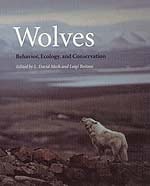
Wolves
Behavior, Ecology, and ConservationEdited by L. David Mech and Luigi Boitani
University of Chicago Press, 2003
As wolf populations have rebounded, scientific studies of them have also flourished. But there hasn't been a systematic, comprehensive overview of wolf biology since 1970. In Wolves, many of the world's leading wolf experts provide state-of-the-art coverage of just about everything you could want to know about these fascinating creatures. Individual chapters cover wolf social ecology, behavior, communication, feeding habits and hunting techniques, population dynamics, physiology and pathology, molecular genetics, evolution and taxonomy, interactions with nonhuman animals such as bears and coyotes, reintroduction, interactions with humans, and conservation and recovery efforts. The book discusses both gray and red wolves in detail and includes information about wolves around the world, from the United States and Canada to Italy, Romania, Saudi Arabia, Israel, India, and Mongolia. Wolves is also extensively illustrated with black and white photos, line drawings, maps, and fifty color plates.
Unrivalled in scope and comprehensiveness, Wolves will become the definitive resource on these extraordinary animals for scientists and amateurs alike.
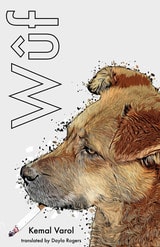
Wûf
By Kemal Varol; translated by Dayla Rogers
University of Texas Press, 2020
Told through the voice of a canine narrator, Wûf is a surrealist wartime love story set in Turkey in the 1990s. The novel follows Mikasa, a street dog who recounts a tale of tragic wartime love at a kennel where he finds solace in storytelling and cigarettes. A book that took the Turkish literary world by storm, Kemal Varol’s Wûf tackles universal themes of love and loss with both humor and pathos. Translated by PEN/Heim Award winner Dayla Rogers, the novel renders in English a one-of-a-kind love story with a narrator its readers won’t soon forget.