95 books match the query 'Crimes against' and 3 start with w
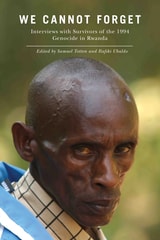
cover of We Cannot Forget: Interviews with Survivors of the 1994 Genocide in Rwanda

We Cannot Forget

Interviews with Survivors of the 1994 Genocide in Rwanda

Totten, Samuel

Rutgers University Press, 2011

During a one-hundred-day period in 1994, Hutus murdered between half a million and a million Tutsi in Rwanda. The numbers are staggering; the methods of killing were unspeakable. Utilizing personal interviews with trauma survivors living in Rwandan cities, towns, and dusty villages, We Cannot Forget relates what happened during this period and what their lives were like both prior to and following the genocide.

Through powerful stories that are at once memorable, disturbing, and informative, readers gain a critical sense of the tensions and violence that preceded the genocide, how it erupted and was carried out, and what these people faced in the first sixteen years following the genocide.
[more]
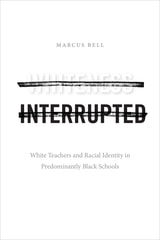
cover of Whiteness Interrupted: White Teachers and Racial Identity in Predominantly Black Schools

Whiteness Interrupted

White Teachers and Racial Identity in Predominantly Black Schools

Marcus Bell

Duke University Press, 2021
In Whiteness Interrupted Marcus Bell presents a revealing portrait of white teachers in majority-black schools in which he examines the limitations of understandings of how white racial identity is formed. Through in-depth interviews with dozens of white teachers from a racially segregated, urban school district in Upstate New York, Bell outlines how whiteness is constructed based on localized interactions and takes a different form in predominantly black spaces. He finds that in response to racial stress in a difficult teaching environment, white teachers conceptualized whiteness as a stigmatized category predicated on white victimization. When discussing race outside majority-black spaces, Bell's subjects characterized American society as postracial, in which race seldom affects outcomes. Conversely, in discussing their experiences within predominantly black spaces, they rejected the idea of white privilege, often angrily, and instead focused on what they saw as the racial privilege of blackness. Throughout, Bell underscores the significance of white victimization narratives in black spaces and their repercussions as the United States becomes a majority-minority society.
[more]
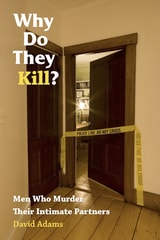
cover of Why Do They Kill?: Men Who Murder Their Intimate Partners

Why Do They Kill?

Men Who Murder Their Intimate Partners

David Adams

Vanderbilt University Press, 2007

Moving backwards from the murders thirty-one men committed, through their adult lives, relationship histories, and their childhoods, David Adams sought to understand what motivated these men to kill. The patterns he found reveal that the murders were neither impulsive crimes of passion nor were they indiscriminate. Why Do They Kill? is the first book to profile different types of wife killers, and to examine the courtship patterns of abusive men. The author shows that wife murders are not, for the most part, "crimes of passion," but culminations of lifelong predisposing factors of the men who murder, and that many elements of their crimes are foretold by their past behavior in intimate relationships.

Key turning points of these relationships include the first emergence of the man's violence, his blaming of the victim, her attempts to resist, his escalation, her attempts to end the relationship, and his punishment for her defiance. Critical perspective on the men's accounts comes from interviews with victims of attempted homicide (standing in for the murder victims) who survived shootings, stabbings, and strangulation. These women detail their partner's escalating patterns of child abuse, sexual violence, terroristic threats, and stalking. The section on help-seeking patterns of victims helps to dispel notions of learned helplessness among victims.
[more]