Results by title
54 books match the query 'Freedom of speech' and 2 start with w
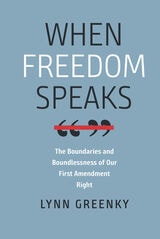
When Freedom Speaks
The Boundaries and the Boundlessness of Our First Amendment RightLynn Greenky
Brandeis University Press, 2022
When Freedom Speaks chronicles the stories behind our First Amendment right to speak our minds. Lynn Levine Greenky’s background as a lawyer, rhetorician, and teacher gives her a unique perspective on the protection we have from laws that abridge our right to the freedom of speech. Rhetoricians focus on language and how it influences perception and moves people to action. Powerfully employing that rhetorical approach, this book explores concepts related to free speech as moral narratives that proscribe the boundaries of our constitutionally protected right. Using the characters and drama embedded in legal cases that elucidate First Amendment principles, When Freedom Speaks makes the concepts easier to understand and clearly applicable to our lives. With a wide range of examples and accessible language, this book is the perfect overview of the First Amendment.
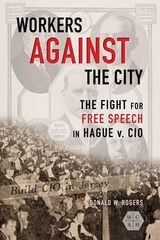
Workers against the City
The Fight for Free Speech in Hague v. CIODonald W. Rogers
University of Illinois Press, 2020
Clear-eyed and comprehensive, Workers against the City revises the view of a milestone case that continues to impact Americans' constitutional rights today.