Results by title
3 books match the query 'Anderson, Kjell'
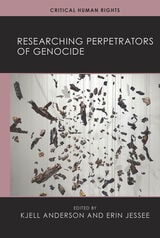
Researching Perpetrators of Genocide
Edited by Kjell Anderson and Erin Jessee
University of Wisconsin Press, 2021
This collection of case studies by scholars from a range of disciplinary backgrounds turns a critical and reflective eye toward qualitative fieldwork on the topic. Framed by an introduction that sets out key issues in perpetrator research and a conclusion that proposes and outlines a code of best practice, the volume provides an essential starting point for future research while advancing genocide studies, transitional justice, and related fields. This original, important, and welcome contribution will be of value to historians, political scientists, criminologists, anthropologists, lawyers, and legal scholars.
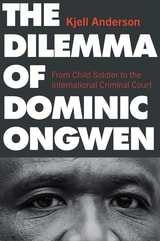
The Dilemma of Dominic Ongwen
From Child Soldier to the International Criminal CourtKjell Anderson
Rutgers University Press, 2027
Dominic Ongwen was abducted by Joseph Kony's Lord's Resistance Army while walking to school at the age of nine. He later rose through its ranks committing, and ultimately being convicted by the International Criminal Court (ICC) of, many of the same crimes of which he was once a victim. The Dilemma of Dominic Ongwen tells this extraordinary story through the voices of those who knew him best: family members, fighters, commanders, “wives,” victims, and trial participants. Their testimonies, gathered in Uganda and The Hague, form the backbone of a narrative that interlaces survivor accounts with legal analysis and vivid excerpts from the ICC trial. The book offers a rare, human-centered lens on international justice, illuminating the dilemmas of prosecuting a former child soldier for mass atrocities. It provides indispensable insights for scholars of international criminal law, transitional justice, political violence, trauma, and human rights.
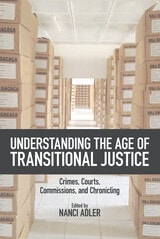
Understanding the Age of Transitional Justice
Crimes, Courts, Commissions, and ChroniclingAdler, Nanci
Rutgers University Press, 2018