Results by title
57 books match the query 'Aztecs' and 7 start with a
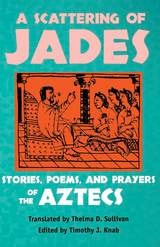
A Scattering of Jades
Stories, Poems, and Prayers of the AztecsThelma D. Sullivan
University of Arizona Press, 2003
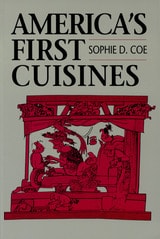
America's First Cuisines
By Sophie D. Coe
University of Texas Press, 1994
After long weeks of boring, perhaps spoiled sea rations, one of the first things Spaniards sought in the New World was undoubtedly fresh food. Probably they found the local cuisine strange at first, but soon they were sending American plants and animals around the world, eventually enriching the cuisine of many cultures.
Drawing on original accounts by Europeans and native Americans, this pioneering work offers the first detailed description of the cuisines of the Aztecs, the Maya, and the Inca. Sophie Coe begins with the basic foodstuffs, including maize, potatoes, beans, peanuts, squash, avocados, tomatoes, chocolate, and chiles, and explores their early history and domestication. She then describes how these foods were prepared, served, and preserved, giving many insights into the cultural and ritual practices that surrounded eating in these cultures. Coe also points out the similarities and differences among the three cuisines and compares them to Spanish cooking of the period, which, as she usefully reminds us, would seem as foreign to our tastes as the American foods seemed to theirs. Written in easily digested prose, America's First Cuisines will appeal to food enthusiasts as well as scholars.
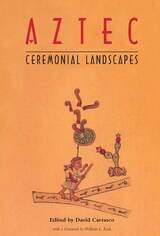
Aztec Ceremonial Landscapes
Davíd Carrasco
University Press of Colorado, 1999
Aztec City-States
Mary G. Hodge
University of Michigan Press, 1984
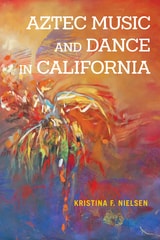
Aztec Music and Dance in California
Kristina F. Nielsen
University of Illinois Press, 2026
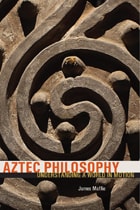
Aztec Philosophy
Understanding a World in MotionJames Maffie
University Press of Colorado, 2014
Aztec Philosophy focuses on the ways Aztec metaphysics—the Aztecs’ understanding of the nature, structure and constitution of reality—underpinned Aztec thinking about wisdom, ethics, politics,\ and aesthetics, and served as a backdrop for Aztec religious practices as well as everyday activities such as weaving, farming, and warfare. Aztec metaphysicians conceived reality and cosmos as a grand, ongoing process of weaving—theirs was a world in motion. Drawing upon linguistic, ethnohistorical, archaeological, historical, and contemporary ethnographic evidence, Maffie argues that Aztec metaphysics maintained a processive, transformational, and non-hierarchical view of reality, time, and existence along with a pantheistic theology.
Aztec Philosophy will be of great interest to Mesoamericanists, philosophers, religionists, folklorists, and Latin Americanists as well as students of indigenous philosophy, religion, and art of the Americas.
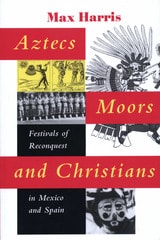
Aztecs, Moors, and Christians
Festivals of Reconquest in Mexico and SpainBy Max Harris
University of Texas Press, 2000
In villages and towns across Spain and its former New World colonies, local performers stage mock battles between Spanish Christians and Moors or Aztecs that range from brief sword dances to massive street theatre lasting several days. The festival tradition officially celebrates the triumph of Spanish Catholicism over its enemies, yet this does not explain its persistence for more than five hundred years nor its widespread diffusion.
In this insightful book, Max Harris seeks to understand Mexicans' "puzzling and enduring passion" for festivals of moros y cristianos. He begins by tracing the performances' roots in medieval Spain and showing how they came to be superimposed on the mock battles that had been a part of pre-contact Aztec calendar rituals. Then using James Scott's distinction between "public" and "hidden transcripts," he reveals how, in the hands of folk and indigenous performers, these spectacles of conquest became prophecies of the eventual reconquest of Mexico by the defeated Aztec peoples. Even today, as lively descriptions of current festivals make plain, they remain a remarkably sophisticated vehicle for the communal expression of dissent.