Results by title
3 books match the query 'British Cinema'

Beauty and the Beast
Italianness in British CinemaElisabetta Girelli
Intellect Books, 2009
Scholarly interest in issues of national identity and representation has been increasing for years, and cinema is a major resource for that work, as it allows for cross-cultural dialogue and the portrayal of different layers of representation and cultural stereotypes. Beauty and the Beast takes a look at the depictions of Italy and the Italians in British cinema.
Elisabetta Girelli draws upon cultural and social history to assess the ongoing representation of “Italianness” in British film, and its crucial role in defining and challenging British national identity. Girelli provides an original survey of archival material such as World War II footage, and an analysis of significant British films like Summer Madness and A Room With A View. Drawing on British literary and filmic tradition to analyze the rise of specific images of the Italian other, Beauty and the Beast is a noteworthy and unique contribution to film and cultural studies.
Don't Look Now
British Cinema in the 1970sEdited by Paul Newland
Intellect Books, 2010
While postwar British cinema and the British new wave have received much scholarly attention, the misunderstood period of the 1970s has been comparatively ignored. Don’t Look Now uncovers forgotten but richly rewarding films, including Nicolas Roeg’s Don’t Look Now and the films of Lindsay Anderson and Barney Platts-Mills. This volume offers insight into the careers of important filmmakers and sheds light on the genres of experimental film, horror, rock and punk films, as well as representations of the black community, shifts in gender politics, and adaptations of television comedies. The contributors ask searching questions about the nature of British film culture and its relationship to popular culture, television, and the cultural underground.
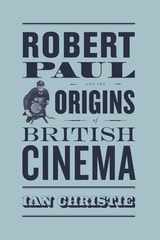
Robert Paul and the Origins of British Cinema
Ian Christie
University of Chicago Press, 2019
From improving upon Edison’s Kinetoscope to cocreating the first movie camera in Britain to building England’s first film studio and launching the country’s motion-picture industry, Paul played a key part in the history of cinema worldwide. It’s not only Paul’s story, however, that historian Ian Christie tells here. Robert Paul and the Origins of British Cinema also details the race among inventors to develop lucrative technologies and the jumbled culture of patent-snatching, showmanship, and music halls that prevailed in the last decade of the nineteenth century. Both an in-depth biography and a magnificent look at early cinema and fin-de-siècle Britain, Robert Paul and the Origins of British Cinema is a first-rate cultural history of a fascinating era of global invention, and the revelation of one of its undervalued contributors.