Results by title
47 books match the query 'Counseling'
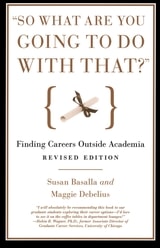
"So What Are You Going to Do with That?"
Finding Careers Outside AcademiaSusan Basalla and Maggie Debelius
University of Chicago Press, 2007
With “So What Are You Going to Do with That?” Susan Basalla and Maggie Debelius—Ph.D.’s themselves—answer all those questions with a resounding “Yes!” A witty, accessible guide full of concrete advice for anyone contemplating the jump from scholarship to the outside world, “So What Are You Going to Do with That?” covers topics ranging from career counseling to interview etiquette to translating skills learned in the academy into terms an employer can understand and appreciate. Packed with examples and stories from real people who have successfully made this daunting—but potentially rewarding— transition, and written with a deep understanding of both the joys and difficulties of the academic life, this fully revised and up-to-date edition will be indispensable for any graduate student or professor who has ever glanced at her CV, flipped through the want ads, and wondered, “What if?”
“I will absolutely be recommending this book to our graduate students exploring their career options—I’d love to see it on the coffee tables in department lounges!”—Robin B. Wagner, former associate director for graduate career services, University of Chicago
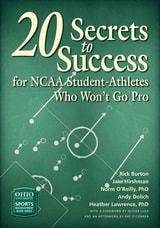
20 Secrets to Success for NCAA Student-Athletes Who Won’t Go Pro
Rick Burton
Ohio University Press, 2017
The vast majority of student-athletes dreaming of athletic stardom won’t make it to the pros. Yet, the discipline and skills they’ve developed while balancing a sport and academics make them ideally suited for satisfying careers elsewhere.
In 20 Secrets to Success for NCAA Student-Athletes Who Won’t Go Pro, the authors draw on personal experience, interviews, expert opinion, and industry data to provide a game plan for student-athletes through key transitions at each stage of their careers, from high school through college and beyond.
Modeled on Stephen Covey’s The 7 Habits of Highly Effective People, this book provides a much-needed strategy for achieving career success. Readable and concise, it will be a valuable tool for students, parents, and sports administrators.
Academic Pipeline Programs
Diversifying Pathways from the Bachelor's to the ProfessoriateCurtis D. Byrd
Lever Press, 2021
All In
Expanding Access through Nationally Competitive AwardsSuzanne McCray
University of Arkansas Press, 2013
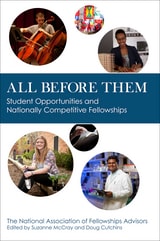
All before Them
Student Opportunities and Nationally Competitive FellowshipsSuzanne McCray
University of Arkansas Press, 2015
This collection of essays helps advisors by providing information about major changes in the fellowship and scholarship landscape. Included is guidance on the new Schwarzman scholarship for study in China, the recently added video interview for the Mitchell scholarship, and the new rules for the Rhodes personal statement (an advisor’s take). Additionally, seasoned advisors share practical advice, ranging from workshops that engage students and faculty to helpful technological tools to personal statements and office assessments. Keeping the focus on the scholar in the scholarship process is a central theme. All before Them is an important addition to any faculty mentor’s or scholarship advisor’s toolkit.
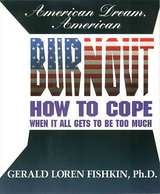
American Dream, American Burnout
How to cope when it all gets to be too muchGerald Loren Fishkin, Ph.D.
Parkhurst Brothers, Inc., 0
This book was written for anyone who wants to be free from the tyranny of stress and burnout. Burnout can affect anyone, especially in today’s world, where “The American Dream” has been replaced by the realities of a faltering economy, breakdown of the family and societal distintegration. Burnout is not a natural state, and no one should have to live with its emotional pain. Dr. Fishkin explains how to readjust couterproductive thought processes and behaviors and learn new, healthy methods for coping. He details both self-help techniques and suggested resources to reach out to the community or the workplace for assistance.
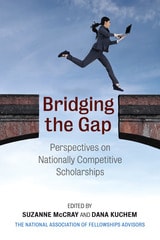
Bridging the Gap
Perspectives on Nationally Competitive ScholarshipsSuzanne McCray
University of Arkansas Press, 2019
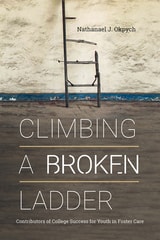
Climbing a Broken Ladder
Contributors of College Success for Youth in Foster CareNathanael J. Okpych
Rutgers University Press, 2021
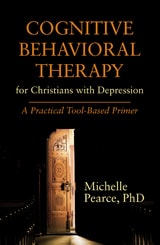
Cognitive Behavioral Therapy for Christians with Depression
A Practical Tool-Based PrimerMichelle Pearce
Templeton Press, 2016
For anyone in the helping profession, whether as mental health professional or religious leader, this question is bound to arise. Many mental health professionals feel uncomfortable discussing religion. In contrast, many religious leaders feel uncomfortable referring their congregants to professionals who do not know their faith or intent to engage with it.
And yet Michelle Pearce, PhD, assistant professor and clinical psychologist at the Center for Integrative Medicine at the University of Maryland, argues that if religion is essential to a client, religion will be a part of psychotherapy, whether it is discussed or not. Clients cannot check their values at the door more than the professionals who treat them.
To Pearce, the question isn’t really, “does religion belong?” but rather, “how can mental health professionals help their religious clients engage with and use their faith as a healing resource in psychotherapy?”
Cognitive Behavioral Therapy for Christian Clientswith Depression is the answer to that question, as the book’s purpose is to educate mental health professionals and pastoral counselors about religion’s role in therapy, as well as equip them to discuss religious issues and use evidence-based, religiously-integrated tools with Christian clients experiencing depression.
In this book, readers will find the following resources in an easy-to-use format:
- An overview of the scientific benefits of integrating clients’ religious beliefs and practices in psychotherapy
- An organizing therapeutic approach for doing Christian CBT
- Seven tools specific to Christian CBT to treat depression
- Suggested dialogue for therapists to introduce concepts and tools
- Skill-building activity worksheets for clients
- Clinical examples of Christian CBT and the seven tools in action
Cognitive Behavioral Therapy for Christian Clients with Depression is a practical guide for mental health professionals and pastoral counselors who want to learn how to use Christian-specific CBT tools to treat depression in their Christian clients.
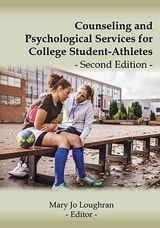
Counseling and Psychological Services for College Student-Athletes
Second EditionMary Jo Loughran
FiT Publishing, 2019
Today's college student-athletes face a wide variety of stressors as they enter the increasingly demanding intercollegiate athletic environment. Counseling and Psychological Services for College Student-Athletes, Second Edition, weaves current research findings, practical examples, and best practices to provide undergraduate and graduate student readers with the necessary tools to effectively and ethically address these issues as future practitioners.
Expert chapter authors use their knowledge and experience to address collegiate student-athlete issues such as mental health, injury, race, gender, sexuality, and socioeconomic background, as well as ethical and professional considerations.
This updated second edition includes a case vignette at the beginning of each chapter to illustrate the key concepts and discussion questions to encourage thoughtful interaction with the material. New chapters have been added on student-athlete topics including developmental considerations, trauma, concussions, and internationality to assist in facilitating positive change in the lives of college student-athletes.
Counseling and the College Program
Papers from the Third Annual Conference of Administrators of College and University Counseling Programs, held at Michigan State College in November 1952Ralph Berdie
University of Minnesota Press, 1954
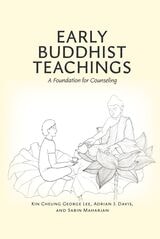
Early Buddhist Teachings
A Foundation for CounselingKin Cheung George Lee, Adrian J. Davis, and Sabin Maharjan
Hong Kong University Press, 2025
As mindfulness and meditation become mainstream therapeutic tools, their deep Buddhist roots are often stripped away and limit their effectiveness for clients from Buddhist cultural backgrounds. Early Buddhist Teachings: A Theoretical Foundation for Counseling restores these practices to their original context, offering a culturally congruent counseling model grounded in Pali scriptures and core Buddhist principles.
This informative volume explores key Buddhist concepts including dependent co-arising, non-self, and impermanence, and places them in conversation with Western psychological theories. Supplemented with practical assessment tools and intervention techniques, this work provides mental health professionals with a new framework for integrating Buddhist teachings into counseling.
For therapists, students, and counselors seeking to expand their approach, Early Buddhist Teachings offers a vital resource at the intersection of Buddhism and psychotherapy, offering a more holistic and effective model of mental health care.
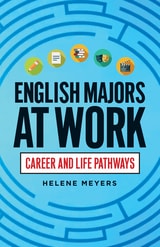
English Majors at Work
Career and Life PathwaysHelene Meyers
Rutgers University Press, 2027
English Majors at Work: Career and Life Pathways details the professional superpowers—the many marketable skills—gained from studying literature, creative writing, film, and popular culture. It prepares English majors to know themselves and their worth so that they can feed their bodies and souls in rapidly changing 21st century economies. Written for prospective and current English majors as well as recent grads, the book shows that skills associated with the major--innovative thinking, excellent written communication, and the ability to read people, rooms, and data---can sustain lifelong successful careers. It also provides real talk about internships, networking, and graduate school. In keeping with a major that focuses on storytelling and analysis, each chapter concludes with a lively discussion of a relevant literary or media text. English Majors at Work is an essential guide for literature students as well as the professors, career services professionals, and parents who advise them.
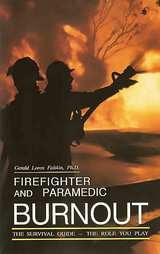
Firefighter and Paramedic Burnout
The Survival Guide - The Role You PlayGerald Loren Fishkin, Ph.D.
Parkhurst Brothers, Inc., 0
Firefighter and Paramedic Burnout was the first comprehensive book dealing with the recognition and treatment of burnout among firefighter and paramedic personnel. Today, this standard still serves to provide readers with a system of identification of early warning signs of excessive stress, its personal and social consequences, and interventions that have been proven to assist firefighters and their family members to return to a state of health and productivity.
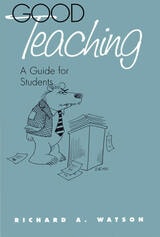
Good Teaching
A Guide for StudentsRichard A. Watson
Southern Illinois University Press, 1997
From junior college to Ivy League university, the level of teaching ranges from "great to awful," according to Richard A. Watson, who explains not only how to survive but how to profit from and enjoy your college experience.
To help students make important personal choices—what school? what major? what classes?—Watson explains such broad areas as administrative structure, institutional goals, and faculty aspirations.
Charging the student with the ultimate responsibility for learning, Watson presents certain academic facts of life: teaching is not the primary concern of either the faculty or the administration in most institutions; few professors on the university level have had any training in teaching, and even fewer started out with teaching as their goal; senior professors do not teach much (the higher the rank and salary, the less time in the classroom), and those seeking tenure must emphasize research to survive; and almost certainly, the bad teacher who is a good researcher will get paid more than the good teacher who does not publish.
This is a book about good teaching and how to find it. Rejecting the conventional wisdom that a professor devoted to research will not be effective in the classroom, Watson advises that you take classes from the professor you may have been cautioned to avoid.
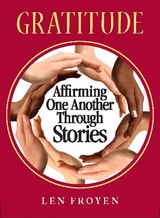
Gratitude
Affirming One Another Through StoriesLen Froyen
Parkhurst Brothers, Inc., 2013

Guidance Procedures in High School
Some Recommended Procedures Based Upon a Survey of Present Practices in MinnesotaC. Wrenn
University of Minnesota Press, 1950
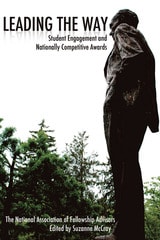
Leading the Way
Student Engagement and Nationally Competitive AwardsSuzanne McCray
University of Arkansas Press, 2009
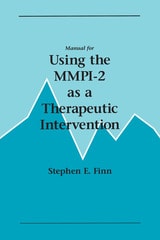
Manual for Using the MMPI-2 as a Therapeutic Intervention
Stephen E. Finn
University of Minnesota Press, 1996
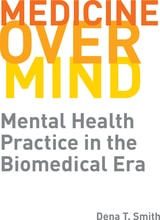
Medicine over Mind
Mental Health Practice in the Biomedical EraDena T. Smith
Rutgers University Press, 2019
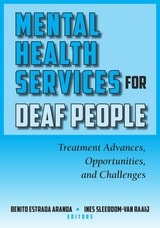
Mental Health Services for Deaf People
Treatment Advances, Opportunities, and ChallengesBenito Estrada Aranda
Gallaudet University Press, 2015
Volume editors Benito Estrada Aranda and Ines Sleeboom-van Raaij have divided the book into three parts—Mental Health Issues and Treatment, Deaf Populations, and Deaf Children and Their Families. In the first part, the contributors provide in-depth analysis of specific challenges and treatment modalities ranging from the provision of mental healthcare as a basic human right to psychopharmacological treatment, the challenges in developing mental health services for deaf and hard of hearing people in countries where none exist, and new treatment therapies.
Part two looks at issues of self-esteem and cultural identity among deaf and hard of hearing adults in Greece and Cyprus, the services for deaf people at a public health clinic in Austria, and the quality of life among Latino Deaf bilinguals in the United States. In the last part, the contributors focus on mental health issues found in deaf children and adolescents and on the relationships between deaf teenagers and their hearing mothers. The volume concludes with a case study of a prelingually deaf child diagnosed as autistic. Taken all together, these cutting-edge articles explore the important issues within the specialized area of mental health and deafness.
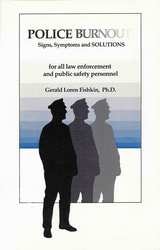
Police Burnout
Signs, Symptoms and SOLUTIONSGerald Loren Fishkin, PH.D.
Parkhurst Brothers, Inc., 0
Police Burnout is the synthesis of Dr. Fishkin’s sixteen years experience as a police psychologist, and is a must read for all police officers, family members, police and public safety administrators, as well as mental health specialists who work in the area of law enforcement. It is a modern classic in the field of police psychology.
Potential on the Periphery
College Access from the Ground UpOmari Scott Simmons
Rutgers University Press, 2019
Premed Prep
Advice from a Medical School Admissions DeanSunny Nakae
Rutgers University Press, 2021
Premed Prep answers all these questions and more, with detailed case studies and insider tips that can help premed students authentically prepare and enjoy the journey from the very beginning. Sunny Nakae draws from her many years of experience as a medical school admissions dean to offer wise and compassionate advice that can help premed students of all backgrounds. She also has specific tips for students who are first-generation, minority, non-traditional, and undocumented.
Both forthright and supportive, Nakae’s advice is offered in a keep-it-real style that gives premed students a unique window into how admissions committees view and assess them. Premed Prep covers how to approach preparation with a focus on exploration and growth, and how to stop obsessing over med school application checklists. This book will do more than help you get a seat in medical school; it will start you on the process of becoming a successful future physician.
Psychotherapy with Deaf Clients from Diverse Groups
Irene W. Leigh
Gallaudet University Press, 1999
The second edition of Psychotherapy with Deaf Clients from Diverse Groups features the introduction of six new chapters that complement full revisions of original chapters with advances in the field since its initial publication. The first part begins with a new chapter on the current ethical issues relevant to working with deaf clients. In subsequent chapters it provides updated information on the diversity of consumer knowledge, attitudes, beliefs, and experiences. Deaf therapists and their involvement in the Deaf community also are scrutinized in this context.
The revised second part examines psychotherapy for various constituencies, including deaf women; lesbian, gay, and bisexual deaf populations; children of deaf parents; and people with Usher syndrome. Part Three chapters consider interventions with African American deaf clients, American Indians who are deaf, and Asians who are American and deaf. A new chapter expands information on therapy for Latino deaf clients.
The final section incorporates three new chapters on other deaf populations — deaf college students, recipients of cochlear implants, and deaf elderly clients. Also, new information has been added to chapters on the treatment of deaf survivors of sexual abuse and deaf clients with chemical dependency. The last addition to the second edition outlines dialectical behavior therapy for deaf clients, a valuable option for clinicians.
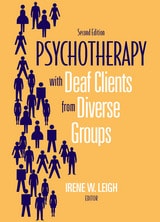
Psychotherapy with Deaf Clients from Diverse Groups
Irene W. Leigh
Gallaudet University Press, 2010
The second edition of Psychotherapy with Deaf Clients from Diverse Groups features the introduction of six new chapters that complement full revisions of original chapters with advances in the field since its initial publication. The first part begins with a new chapter on the current ethical issues relevant to working with deaf clients. In subsequent chapters it provides updated information on the diversity of consumer knowledge, attitudes, beliefs, and experiences. Deaf therapists and their involvement in the Deaf community also are scrutinized in this context.
The revised second part examines psychotherapy for various constituencies, including deaf women; lesbian, gay, and bisexual deaf populations; children of deaf parents; and people with Usher syndrome. Part Three chapters consider interventions with African American deaf clients, American Indians who are deaf, and Asians who are American and deaf. A new chapter expands information on therapy for Latino deaf clients.
The final section incorporates three new chapters on other deaf populations — deaf college students, recipients of cochlear implants, and deaf elderly clients. Also, new information has been added to chapters on the treatment of deaf survivors of sexual abuse and deaf clients with chemical dependency. The last addition to the second edition outlines dialectical behavior therapy for deaf clients, a valuable option for clinicians.
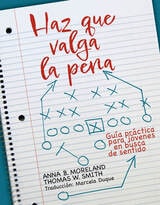
Que valga la pena
Un manual para jovenes en busca de sentidoAnna B. Moreland
Catholic University of America Press, 2026
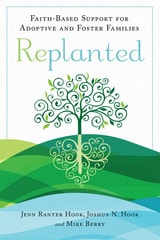
Replanted
Faith-Based Support for Adoptive and Foster FamiliesJenn Ranter Hook
Templeton Press, 2019
Many people embark on the journey of adoption and foster care but are unprepared for the challenges that await them along the way. Replanted takes an honest look at the joys and hardships that come with choosing this journey and provides a model of faith-based support made up of three parts to help families thrive: Soil, Sunlight, and Water.
- Soil, or emotional support, addresses the need for grace-filled settings where families can connect with other families who understand their experience.
- Sunlight, or informational support, focuses on obtaining helpful training to raise children who may have unique needs or challenges.
- Water, or tangible support, deals with concrete resources such as medical care, child care, and financial support.
Throughout the book, the Replanted model is brought to life by stories and examples based on the clinical work and personal experiences of the authors. Their candid insight will serve families who are actively involved in adoption or foster care, as well as people who are eager to help support those families.
Replanted affirms that with the right support system in place, parents can answer this sacred call not only with open hearts but also with their eyes wide open.
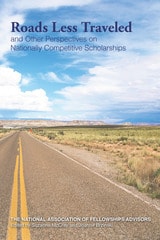
Roads Less Traveled and Other Perspectives on Nationally Competitive Scholarships
Suzanne McCray
University of Arkansas Press, 2017
For many, the applications present an unfamiliar territory, so students seek out informed advisors who can help them navigate the terrain. This volume of essays is a great way for anyone advising students through an application to become an expert. Roads Less Traveled and Other Perspectives on Nationally Competitive Scholarships provides critical information from scholarship foundations about the best ways to guide students—from considering a career path, to completing the application, to preparing for an interview. Experienced advisors also share helpful tips on practical topics like writing letters of endorsement or assisting those who want to study abroad, and they provide programmatic advice on how to broaden the pool of applicants, address those with financial needs, and make all who apply feel the process has value beyond winning. Roads Less Traveled and Other Perspectives on Nationally Competitive Scholarships is a must for anyone advising students on scholarships.
Sexual Identity and Faith
Helping Clients Find CongruenceMark A. Yarhouse
Templeton Press, 2019
Christians who struggle with a conflict between their sexual and religious identities have few therapeutic options available to them. ‘Sexual orientation change efforts’ (SOCE) have rightly fallen out of favor and are no longer practiced by most clinicians. At the same time, the common approach of gay affirmative therapy (GAT) can at times present challenges and may not be a good fit when clients hold to conventional religious beliefs and values.
An alternative to these methods is Sexual Identity Therapy (SIT)—an approach that aims to provide individuals with a safe therapeutic space to explore the tension between their sexuality and their faith. Working within the SIT framework, clients are able to resolve their inner conflict to their personal satisfaction and to freely choose a coherent identity that enables them to move forward in life.
SIT has several stages, each designed to enable the client to make meaning out of his or her same-sex sexuality. At no point in the process is the client encouraged to choose one sexual identity over another. The ultimate goal of SIT is congruence. Congruence is achieved when a person freely adopts an identity and lives it out in ways that are in keeping with his or her beliefs and values. The SIT model is brought to life throughout the book with the help of case studies drawn from the author’s 20 years of experience.
Written for both Christian and non-religious clinicians, Sexual Identity and Faith is an informed, respectful, and nuanced guide to help people navigate the difficult conflict between who they are sexually and what they believe religiously.
Spirit in Session
Working with Your Client’s Spirituality (and Your Own) in PsychotherapyRussell Siler Jones
Templeton Press, 2019
Spirituality is an important part of many clients’ lives. It can be a resource for stabilization, healing, and growth. It can also be the cause of struggle and even harm. More and more therapists—those who consider themselves spiritual and those who do not—recognize the value of addressing spirituality in therapy and increasing their skill for engaging it ethically and effectively.
In this immensely practical book, Russell Siler Jones helps therapists feel more competent and confident about having spiritual conversations with clients. With a refreshing, down-to-earth style, he describes how to recognize the diverse explicit and implicit ways spirituality can appear in psychotherapy, how to assess the impact spirituality is having on clients, how to make interventions to maximize its healthy impact and lessen its unhealthy impact, and how therapists can draw upon their own spirituality in ethical and skillful ways. He includes extended case studies and clinical dialogue so readers can hear how spirituality becomes part of case conceptualization and what spiritual conversation actually sounds like in psychotherapy.
Jones has been a therapist for nearly 30 years and has trained therapists in the use of spirituality for over a decade. He writes about a complex topic with an elegant simplicity and provides how-to advice in a way that encourages therapists to find their own way to apply it.
Spirit in Session is a pragmatic guide that therapists will turn to again and again as they engage their clients in one of the most meaningful and consequential dimensions of human experience.
Talking Therapy
Knowledge and Power in American Psychiatric NursingKylie Smith
Rutgers University Press, 2020
Winner of the 2020 Lavinia L. Dock Award from the American Association for the History of Nursing
Talking Therapy traces the rise of modern psychiatric nursing in the United States from the 1930s to the 1970s. Through an analysis of the relationship between nurses and other mental health professions, with an emphasis on nursing scholarship, this book demonstrates the inherently social construction of ‘mental health’, and highlights the role of nurses in challenging, and complying with, modern approaches to psychiatry. After WWII, heightened cultural and political emphasis on mental health for social stability enabled the development of psychiatric nursing as a distinct knowledge project through which nurses aimed to transform institutional approaches to patient care, and to contribute to health and social science beyond the bedside. Nurses now take for granted the ideas that underpin their relationships with patients, but this book demonstrates that these were ideas not easily won, and that nurses in the past fought hard to make mental health nursing what it is today.
The American School Counselor
A Case Study in the Sociology of ProfessionsDavid J. Armor
Russell Sage Foundation, 1969
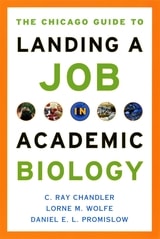
The Chicago Guide to Landing a Job in Academic Biology
C. Ray Chandler, Lorne M. Wolfe, and Daniel E. L. Promislow
University of Chicago Press, 2007
An academic career in the biological sciences typically demands well over a decade of technical training. So it’s ironic that when a scholar reaches the most critical stage in that career—the search for a job following graduate work—he or she receives little or no formal preparation. Instead, students are thrown into the job market with only cursory guidance on how to search for and land a position.
Now there’s help. Carefully, clearly, and with a welcome sense of humor, The Chicago Guide to Landing a Job in Academic Biology leads graduate students and postdoctoral fellows through the perils and rewards of their first job search. The authors—who collectively have for decades mentored students and served on hiring committees—have honed their advice in workshops at biology meetings across the country. The resulting guide covers everything from how to pack an overnight bag without wrinkling a suit to selecting the right job to apply for in the first place. The authors have taken care to make their advice useful to all areas of academic biology—from cell biology and molecular genetics to evolution and ecology—and they give tips on how applicants can tailor their approaches to different institutions from major research universities to small private colleges.
With jobs in the sciences ever more difficult to come by, The Chicago Guide to Landing a Job in Academic Biology is designed to help students and post-docs navigate the tricky terrain of an academic job search—from the first year of a graduate program to the final negotiations of a job offer.
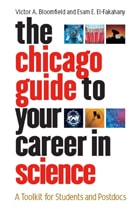
The Chicago Guide to Your Career in Science
A Toolkit for Students and PostdocsVictor A. Bloomfield and Esam E. El-Fakahany
University of Chicago Press, 2008
Victor A. Bloomfield and Esam E. El-Fakahany, both well-known scientists with extensive experience as teachers, mentors, and administrators, have combined their knowledge to create a guidebook that addresses all of the challenges that today’s scientists-in-training face. They begin by considering the early stages of a career in science: deciding whether or not to pursue a PhD, choosing advisors and mentors, and learning how to teach effectively. Bloomfield and El-Fakahany then explore the skills essential to conducting and presenting research. The Chicago Guide to Your Career in Science offers detailed advice on how to pursue research ethically, manage time, and communicate effectively, especially at academic conferences and with students and peers. Bloomfield and El-Fakahany write in accessible, straightforward language and include a synopsis of key points at the end of each chapter, so that readers can dip into relevant sections with ease.
From students prepping for the GRE to postdocs developing professional contacts to faculty advisors and managers of corporate labs, scientists at every level will find The Chicago Guide to Your Career in Science an unparalleled resource.
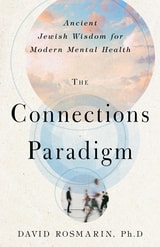
The Connections Paradigm
Ancient Jewish Wisdom for Modern Mental HealthDavid H. Rosmarin
Templeton Press, 2021
The idea behind the paradigm is that at any given moment, human beings are either “connected” or “disconnected” across three key relationships. To be “connected” means to be in a loving, harmonious, and fulfilling relationship; to be “disconnected” means, of course, the opposite. The three relationships are those between our souls and our bodies, ourselves and others, and ourselves and God.
These relationships are hierarchal; each depends on the one that precedes it. This means that we can only connect with God to the extent that we associate with others, and we cannot connect with others if we don’t connect with ourselves. The author, Dr. David H. Rosmarin, devotes a section to each relationship and describes techniques and practices to become a more connected individual. He also brings in compelling stories from his clinical practice to show the process in action.
Whether you’re a clinician working with clients, or a person seeking the healing balm of wisdom; whether you’re a member of the Jewish faith, or a person open to new spiritual perspectives, you will find this book sensible, practical, and timely because, for all of us, connection leads to mental health.

The Drama Therapy Decision Tree, 2nd Edition
Connecting Drama Therapy Interventions to TreatmentEdited by Paige Dickinson and Sally Bailey
Intellect Books, 2024
The Drama Therapy Decision Tree unites therapy interventions with diagnostic information, individual and group processes, psychological distance, the drama therapy pie, and global outcomes. Rather than using a standardized protocol that makes the decisions for the therapist, drama therapy is based on dynamic, embodied, creative action with participants in the here and now. Conscious planning on the part of the drama therapist before the session supports spontaneity and creativity, preparing them to make good therapeutic decisions in the moment during the session.
The authors strive to provide a common language for communicating what drama therapists do and how they do it in order to demystify drama therapy for other mental health and medical professionals. Using the decision tree as a guide, early career drama therapists can move forward confidently and ground their work with participants in an integrated system.
The Outcomes of Counseling and Psychotherapy
Theory and ResearchTheodore Volsky, Jr.
University of Minnesota Press, 1965
The Outcomes of Counseling and Psychotherapy was first published in 1965. Minnesota Archive Editions uses digital technology to make long-unavailable books once again accessible, and are published unaltered from the original University of Minnesota Press editions.
How is the future behavior of a client or patient affected by counseling, casework, or psychotherapy? What fundamental personality changes, if any, can be attributed to such treatment? What does the counselor do that determines the outcome of his efforts? This volume deals with questions like these, questions which concern not only psychologists, psychiatrists, social workers, and other counselors, but also the communities, institutions, and agencies which support their work.
The report presented here is based on the findings of a ten-year project conducted at the University of Minnesota Student Counseling Bureau to assess the results of its counseling program. Since the early days of counseling at Minnesota, many studies, in a research program extending over a period of thirty years, have attempted to determine the effectiveness of counseling. In continuing these studies, the present authors have applied current statistical methods to contemporary counseling theory and practices. This account of the search for specific variables that define the goals of counseling, and for instruments to measure those variables objectively, is an important contribution to future research in the field. Ralph F. Berdie, director of the University of Minnesota Student Counseling Bureau, writes a foreword.
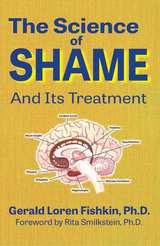
The Science of Shame and Its Treatment
Gerald Loren Fishkin, Ph.D.
Parkhurst Brothers, Inc., 2016
Through his empirical analysis and understanding of toxic shame, Dr. Fishkin has identified multiple effective clinical approaches for its treatment and addressing shame-based behaviors. He clearly outlines why contemporary treatment approaches, including cognitive behavioral therapy, do not treat core shame wounds and most often cause individuals to terminate the therapeutic process prematurely.
This book is a must-read for clinicians, addiction specialists, teachers, students of human behavior, counselors, social workers, patients in treatment.
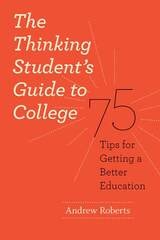
The Thinking Student's Guide to College
75 Tips for Getting a Better EducationAndrew Roberts
University of Chicago Press, 2010
Each fall, thousands of eager freshmen descend on college and university campuses expecting the best education imaginable: inspiring classes taught by top-ranked professors, academic advisors who will guide them to a prestigious job or graduate school, and an environment where learning flourishes outside the classroom as much as it does in lecture halls. Unfortunately, most of these freshmen soon learn that academic life is not what they imagined. Classes are taught by overworked graduate students and adjuncts rather than seasoned faculty members, undergrads receive minimal attention from advisors or administrators, and potentially valuable campus resources remain outside their grasp.
Andrew Roberts’ Thinking Student’s Guide to College helps students take charge of their university experience by providing a blueprint they can follow to achieve their educational goals—whether at public or private schools, large research universities or small liberal arts colleges. An inside look penned by a professor at Northwestern University, this book offers concrete tips on choosing a college, selecting classes, deciding on a major, interacting with faculty, and applying to graduate school. Here, Roberts exposes the secrets of the ivory tower to reveal what motivates professors, where to find loopholes in university bureaucracy, and most importantly, how to get a personalized education. Based on interviews with faculty and cutting-edge educational research, The Thinking Student’s Guide to College is a necessary handbook for students striving to excel academically, creatively, and personally during their undergraduate years.
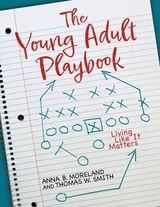
The Young Adult Playbook
Living Like It MattersAnna Moreland
Catholic University of America Press, 2024
These We Teach
A Study of General College StudentsCornelia T. Williams
University of Minnesota Press, 1943
These We Teach was first published in 1943. Minnesota Archive Editions uses digital technology to make long-unavailable books once again accessible, and are published unaltered from the original University of Minnesota Press editions.
Tutoring Matters
Everything You Always Wanted To Know About How To TutorJerome Rabow
Temple University Press, 1999
Tutoring Matters is the authoritative manual for both the aspiring and seasoned tutor. Using firsthand experiences of over one hundred new and experienced tutors, this long-awaited guide offers chapters on attitudes and anxieties, teaching techniques, and building relationships. It educates the tutor on how to handle and appreciate social and language differences; how to use other adults -- teachers, administrators, parents, employers -- to a student's advantage; and, when your student or circumstances determine that it's time, how to put a positive and supportive end to the tutor-tutee relationship.
Written by experienced tutors and tutoring educators, Tutoring Matters celebrates -- and provides just the right tools for -- an individualized and successful tutoring relationship and shows just how much you can learn -- about the world and yourself -- through teaching others.
Tutoring Matters
Everything You Always Wanted to Know about How to TutorAuthored by Tiffani Chin, Jerome Rabow and Jeimee Estrada
Temple University Press, 2011
Tutoring Matters is the authoritative guide for both the aspiring and seasoned tutor. Using firsthand experiences of over one hundred new and experienced college student tutors, the authors offer techniques for handling tutoring anxieties, teaching strategies, and tips for building relationships.
This new edition has been fully updated to help tutors to engage the interest of their students. In addition, it features practical “tip boxes” that provide quick-reference guidelines on a range of tutoring challenges—from making a connection in your first tutoring session to becoming familiar with your pupil's life and tutoring needs. This new edition also provides practical experience-based tips "from the trenches" about how to tutor math and reading and how to help students develop other academic skills and interests.
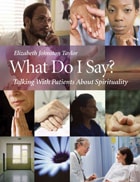
What Do I Say?
Talking with Patients about SpiritualityElizabeth Johnston-Taylor
Templeton Press, 2007
•How do I answer a "why" question?
•What do I say to a patient who believes a miracle will happen to cure them?
•What if I'm not religious? How can I talk about it?
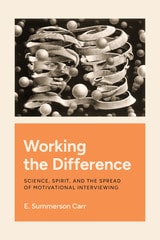
Working the Difference
Science, Spirit, and the Spread of Motivational InterviewingE. Summerson Carr
University of Chicago Press, 2023
Motivational interviewing (MI) is a professional practice, a behavioral therapy, and a self-professed conversation style that encourages clients to talk themselves into change. Originally developed to treat alcoholics, MI quickly spread into a variety of professional fields including corrections, medicine, and sanitation. In Working the Difference, E. Summerson Carr focuses on the training and dissemination of MI to explore how cultural forms—and particularly forms of expertise—emerge and spread. The result is a compelling analysis of the American preoccupations at MI’s core, from democratic autonomy and freedom of speech to Protestant ethics and American pragmatism.
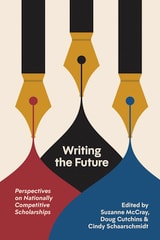
Writing the Future
Perspectives on Nationally Competitive ScholarshipsSuzanne McCray
University of Arkansas Press, 2025
Writing the Future: Perspectives on Nationally Competitive Scholarships offers a timely and nuanced exploration of fellowships advising. This volume brings together experienced practitioners, scholars, and scholarship foundation representatives to reflect on a rapidly evolving landscape—one shaped by shifting student demographics, emergent technologies, and renewed commitments to student success across a broad spectrum.
The essays in this collection engage deeply with the developmental, rhetorical, and institutional dimensions of nationally competitive awards advising. Topics include appreciative advising, writing strategies, and the complexities of guiding students as they envision and articulate aspirational futures. Contributors examine how fellowship applications serve as tools for student growth, knowledge transfer, and reflection. They also explore how advisors can navigate the tensions between authenticity, institutional representation, and the demands of prestige-based selection processes. Several chapters offer practical guidance on writing effective nomination letters, engaging in selection processes as external reviewers, and cultivating advising practices that are both ethical and empowering. A concluding chapter on NAFA’s history situates these contributions within a broader narrative of professionalization and purpose in the field.
Ideal for new and seasoned advisors alike—as well as faculty, administrators, and foundation partners—this volume affirms the transformative potential of a fellowships advising process that centers on student agency, fosters critical reflection, and reimagines what access to competitive awards can and should mean.