Results by title
3 books match the query 'English Renaissance Literature'
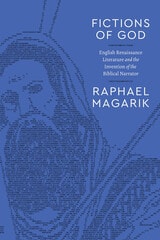
Fictions of God
English Renaissance Literature and the Invention of the Biblical NarratorRaphael Magarik
University of Chicago Press, 2025
We often identify secularization's characteristic literary form as the modern novel: out with divine scripture, in with human fictions. In Fictions of God, Raphael Magarik argues that this story overlooks the cultural upheavals of the Protestant Reformation. Early reformers imagined a Bible that was neither infallible nor inerrant but fictional, composed by a divine counterfactual: God crafted the text, they said, as if it had been written by the prophets. Early modern Protestants now found in their Bibles not a source of foundational truths but a model for unreliable narration, even fiction.
Fictions of God traces how this approach to literature passed from biblical commentators to poets like Abraham Cowley, John Milton, and Lucy Hutchinson amid the violent emergence of a new religious and political order—long before the eighteenth-century rise of the English novel. The result is a transformative account of the Reformation’s effect on imaginative literature and the secularization of the Bible itself.
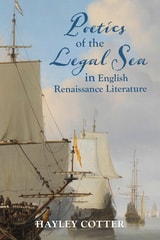
Poetics of the Legal Sea in English Renaissance Literature
Hayley Cotter
University of Alabama Press, 2026
A vivid exploration of how early modern literature transformed the law of the sea into a rich imaginative realm of maritime space and poetic possibility
Poetics of the Legal Sea in English Renaissance Literature is a richly layered study that traces how early modern writers imagined the sea as both a legal landscape and a site of narrative possibility. Through an interdisciplinary lens, the book illuminates the ways literary forms conceptualized the maritime laws that governed the early modern world. Its narrative moves fluidly between legal frameworks and poetic language, revealing a dynamic exchange between artistic expression and the systems that regulated life at sea.
Hayley Cotter’s analysis charts a metaphorical voyage, guiding readers from the calm departure of genre and jurisdiction through turbulent encounters with piracy, shipwreck, and salvage. Plays and poems become vessels that carry ideas about authority, justice, and sovereignty, while rhetorical devices such as metaphor, synecdoche, and metonymy deepen the imaginative pull of maritime experience. This journey foregrounds the cognitive effects of literary language, showing how early modern authors engaged with legal culture in ways that often moved beneath the surface of conscious thought.
As the chapters progress, literary texts become active participants in shaping understandings of law and maritime space. Shakespearean drama, Elizabethan pirate tales, sonneteering traditions, and anonymous sea poems all contribute to a vibrant conversation about how societies negotiated law and commerce on the open water. Bringing together readers interested in early modern literature, maritime history, and interdisciplinary inquiry, Poetics of the Legal Sea in English Renaissance Literature offers a compelling exploration of how the ocean’s vast, shifting expanse inspired new ways of thinking about power and the stories that give shape to legal life.
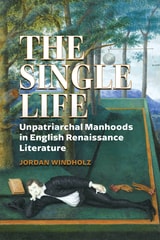
The Single Life
Unpatriarchal Manhoods in English Renaissance LiteratureJordan Windholz
University of Alabama Press, 2025
Exploring the Varied Roles of Bachelors during the Renaissance
What if the Renaissance bachelor wasn’t just a social outlier but a literary lens through which early modern masculinity reveals its cracks? In The Single Life: Unpatriarchal Manhoods in English Renaissance Literature, Jordan Windholz examines the overlooked and often subversive roles played by never-married men in shaping gender, sexuality, and social order.
Windholz challenges conventional views on gender and sexuality, identifying five archetypes of bachelorhood that complicate our understanding of patriarchal success: the chaste youth, the journeyman bachelor, the true gallant, the incel scholar, and the unmarried eunuch. These figures don’t conform to ideals of marriage, legacy, or economic productivity, but they also weren’t merely left behind. Instead, they served to define what early modern society valued by embodying what it resisted. Windholz shows how Renaissance texts constructed, contained, and occasionally celebrated these “unpatriarchal manhoods.”
By examining the intersections of sexuality, labor, gentility, emotion, and gender, the book provides a nuanced understanding of how single men both upheld and resisted patriarchal norms. Each chapter offers a detailed analysis of literary texts, blending historical and literary analysis with feminist and queer theory. The first study of its kind, Windholz’s work is essential reading for anyone interested in Renaissance literature, gender studies, or those looking to understand the margins of masculinity and the meanings of singledom—then and now.