Results by title
6 books match the query 'Herbs, Spices, Condiments'
Culinary Herbs and Spices of the World
Ben-Erik van Wyk
University of Chicago Press, 2014
Herbs for the Gourmet Gardener
A Practical Resource from the Garden to the TableCaroline Holmes
University of Chicago Press, 2014
A feast for the eyes and the table, this user-friendly resource traverses the realms of both the garden and the kitchen, addressing the cultivation, storage, and preparation of more than sixty herbs. Practical growing tips, fascinating histories, nutritional information, and classic recipes appear alongside botanical illustrations drawn from the Royal Horticultural Society’s cherished collection. With both familiar varieties and novel options, Herbs for the Gourmet Gardener will inspire you to create a world of new shapes, colors, and tastes.
Michigan Herb Cookbook
Suzanne Breckenridge and Marjorie Snyder
University of Michigan Press, 2001
If you're interested in cooking with herbs and want to use the best of Michigan and the Midwest's seasonal foods, then this is the cookbook for you.
The recipe section is written for both the novice and the more experienced cook. Each recipe has helpful information about serving suggestions and menu ideas. Scattered throughout the book are handy tips related to foods, herbs, and cooking. In addition, Michigan Herb Cookbook includes a section on herb growing and designing in which planting, growing, freezing, drying, and storage tips for over thirty herbs are explained in detail.
You will find over 150 recipes in the book's seven chapters. More than half are low-fat, and there are many vegetarian favorites. Also, a chapter devoted to condiments and "little extras" contains various herb blend, vinegar, chutney, pesto, and sauce recipes, such as Sun-Dried-Tomato Pesto and Roasted Red Pepper Sage Sauce.
Suzanne Breckenridge, formerly a ceramics and cooking instructor, is now a food stylist and caterer. Marjorie Snyder is a freelance food writer, a cooking teacher at a junior college, and cofounder and president of the Madison Wisconsin Herb Society.

The Herb Garden Cookbook
The Complete Gardening and Gourmet Guide, Second EditionBy Lucinda Hutson
University of Texas Press, 2003
Indulge your senses with the lively flavors, vivid colors, and tantalizing aromas of fresh herbs. This comprehensive guide gives you creative, festive recipes as well as valuable gardening information. With Lucinda Hutson's expert advice you'll discover how to:
- Grow robust and flavorful herbs using organic gardening techniques.
- Harvest and store herbs.
- Prepare more than 150 delicious and innovative recipes.
- Create intensely flavored herb butters and savory vinegars.
- Garnish and flavor recipes with beautiful edible flowers.
- Grow and use exotic herbs from Mexico and Southeast Asia.
- Design menus for special occasions such as a fiesta for friends or a feast for two.
- Find the best sources, including websites, for buying plants, seeds, and gourmet products.
Savor the Tuscan-inspired Panzanella, the continental Celebratory Niçoise Salad, or the Southwestern-spirited Pollo Picado. Lucinda's suggested recipe variations will turn you into a kitchen quick-change artist. Ideas for dazzling presentations make your meals as pleasing to the eye as they are to the palate. From rosemary and thyme to Mexican mint marigold and Thai basil, this is an essential guide for cooks and gardeners alike!
The Herbalist in the Kitchen
Gary Allen
University of Illinois Press, 2006
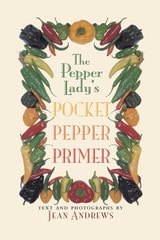
The Pepper Lady's Pocket Pepper Primer
Text and photographs by Jean Andrews
University of Texas Press, 1998
More than a quarter of the people on earth eat peppers every day of their lives, and true pepper lovers are always looking for better-tasting, hotter peppers. This handy, reliable guide makes finding them easy, as capsicum expert Jean Andrews shows you how to identify and use 42 peppers, both fresh and dried, commonly available in North American markets.
Andrews describes each pepper in detail, starting with its size, color, fruit shape, flesh, and pungency. She gives its common names, sources, and uses, and indicates other peppers that can substitute for it in recipes. Drawing on her vast store of pepper lore, she also includes notes and anecdotes about each pepper. Her color photographs illustrate all of the peppers.
In addition to the species descriptions, Andrews offers practical guidance on selecting and storing, roasting and rehydrating, and growing and harvesting peppers. She explains pepper nomenclature, describes the pungency factor, and notes the significance of color, aroma, flavor, and nutrition.