Results by title
46 books match the query 'Nutrition'
A Conversation about Healthy Eating
Nicholas A. Lesica
University College London, 2017
A Doctor's Dozen
Twelve Strategies for Personal Health and a Culture of WellnessCatherine Florio Pipas
Dartmouth College Press, 2018

A Land Not Forgotten
Indigenous Food Security and Land-Based Practices in Northern OntarioMichael A. Robidoux
University of Manitoba Press, 2017
An Alternative History of Hyperactivity
Food Additives and the Feingold DietSmith, Matthew
Rutgers University Press, 2011
Matthew Smith asserts that those scientific conclusions were, in fact, flawed. An Alternative History of Hyperactivity explores the origins of the Feingold diet, revealing why it became so popular, and the ways in which physicians, parents, and the public made decisions about whether it was a valid treatment for hyperactivity. Arguing that the fate of Feingold's therapy depended more on cultural, economic, and political factors than on the scientific protocols designed to test it, Smith suggests the lessons learned can help resolve medical controversies more effectively.
Anthropometric Standards for the Assessment of Growth and Nutritional Status
A. Roberto Frisancho
University of Michigan Press, 1990
Back to the Breast
Natural Motherhood and Breastfeeding in AmericaJessica Martucci
University of Chicago Press, 2015
That movement—in which the personal and political were inextricably linked—effectively challenged midcentury norms of sexuality, gender, and consumption, and articulated early environmental concerns about chemical and nuclear contamination of foods, bodies, and breast milk. In its groundbreaking chronicle of the breastfeeding movement, Back to the Breast provides a welcome and vital account of what it has meant, and what it means today, to breastfeed in modern America.
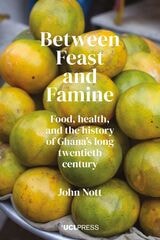
Between Feast and Famine
Food, Health, and the History of Ghana's Long Twentieth CenturyJohn Nott
University College London, 2025
Between Feast and Famine unravels the intertwined histories of food, health, and capitalism in Ghana, charting the country’s shifting nutritional landscape from colonial-era hunger crises to contemporary epidemics of obesity and diabetes. Moving between Ghana’s diverse ecological and economic zones, John Nott excavates how uneven capitalist transformation reshaped diets and childhood nutrition across the twentieth century. At the heart of this story is the evolving science of nutrition itself, from its colonial-era applications to its role in shaping modern health policies.
Using a new historical approach, Between Feast and Famine exposes how global scientific debates and local lived realities co-produced the country’s shifting nutritional conditions. A necessary contribution to African history and medical humanities, this book debunks preconceived notions about hunger and public health, suggesting crucial insights into the complex relationship between food systems and human well-being.

Beyond the Breast-Bottle Controversy
Penny Van Esterik
Rutgers University Press, 1989
--from the Foreword by Michael C. Latham, Cornell University
Penny Van Esterik takes the reader beyond the Nestle boycott and the activist campaigns against infant-formula manufacturers to the issues underlying the controversy. She shows how the controversy is embedded in the problem of urban poverty, the empowerment of women, the medicalization of infant feeding, and the commoditization of infant foods. She argues that the choice between bottle feeding and breast feeding has significant implications for developing countries. Beyond the Breast-Bottle Controversy raises a host of important questions: why has there been no consistent feminist position? How did infant feeding become medicalized in developing and developed countries? What mechanisms encourage the technology and taste transfer necessary for the expansion of bottle feeding? These questions are examined using documentary sources and interdisciplinary research in Thailand, Indonesia, Kenya, and Columbia.
For Van Esterik, the infant-formula controversy is a valuable case study for understanding the relations between women, the environment, and sustainable development. From this perspective, breast feeding has no long-term negative consequences. It depends on renewable resources, works on the principle that as demand increases so does supply, reduces the dependency of women on consumer products and multinational corporations, and puts pressure on governments to improve the health of mothers. On the other hand, the author argues that bottle feeding has definite long-term negative consequences. Her goal is not to have every woman breast-feed her child, but to create living and working conditions so that every woman can do so if she chooses.
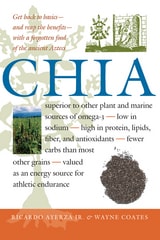
Chia
Rediscovering a Forgotten Crop of the AztecsRicardo Ayerza Jr. and Wayne Coates
University of Arizona Press, 2005
In this book, agronomist Ricardo Ayerza and agricultural engineer Wayne Coates trace the long and fascinating history of chia’s use, then reveal the scientific story of the plant and its modern potential. They compare fatty acid profiles of chia with our other major sources—fish oil, flaxseed, and marine algae—and provide evidence that chia is superior in many ways.
Here are just some of the benefits that chia provides:
- chia has the highest known percentage of alpha-linolenic acid, and the highest combined alpha-linolenic and linoleic fatty acid percentage of all crops
- chia has more protein, lipids, energy, and fiber—but fewer carbs—than rice, barley, oats, wheat, or corn—and its protein is gluten-free
- chia is an excellent source of calcium, phosphorus, magnesium, potassium, iron, zinc, and copper
- chia is low in sodium: salmon has 78 times as much, tuna 237 times as much
- chia exhibits no evidence of allergic response, even in individuals with peanut and tree-nut allergies
- chia doesn’t give off a “fishy flavor,” unlike some other sources of omega-3 fatty acid

Death Stalks the Yakama
Epidemiological Transitions and Mortality on the Yakama Indian Reservation, 1888-1964Clifford E. Trafzer
Michigan State University Press, 1997
Clifford Trafzer's disturbing new work, Death Stalks the Yakama, examines life, death, and the shockingly high mortality rates that have persisted among the fourteen tribes and bands living on the Yakama Reservation in the state of Washington. The work contains a valuable discussion of Indian beliefs about spirits, traditional causes of death, mourning ceremonies, and memorials. More significant, however, is Trafzer's research into heretofore unused parturition and death records from 1888-1964. In these documents, he discovers critical evidence to demonstrate how and why many reservation people died in "epidemics" of pneumonia, tuberculosis, and heart disease.
Death Stalks the Yakama, takes into account many variables, including age, gender, listed causes of death, residence, and blood quantum. In addition, analyses of fetal and infant mortality rates as well as crude death rates arising from tuberculosis, pneumonia, heart disease, accidents, and other causes are presented. Trafzer argues that Native Americans living on the Yakama Reservation were, in fact, in jeopardy as a result of the "reservation system" itself. Not only did this alien and artificial culture radically alter traditional ways of life, but sanitation methods, housing, hospitals, public education, medicine, and medical personnel affiliated with the reservation system all proved inadequate, and each in its own way contributed significantly to high Yakama death rates.
Diet and the Disease of Civilization
Adrienne Rose Bitar
Rutgers University Press, 2017
Diet books contribute to a $60-billion industry as they speak to the 45 million Americans who diet every year. Yet these books don’t just tell readers what to eat: they offer complete philosophies about who Americans are and how we should live. Diet and the Disease of Civilization interrupts the predictable debate about eating right to ask a hard question: what if it’s not calories—but concepts—that should be counted?
Cultural critic Adrienne Rose Bitar reveals how four popular diets retell the “Fall of Man” as the narrative backbone for our national consciousness. Intensifying the moral panic of the obesity epidemic, they depict civilization itself as a disease and offer diet as the one true cure.
Bitar reads each diet—the Paleo Diet, the Garden of Eden Diet, the Pacific Island Diet, the detoxification or detox diet—as both myth and manual, a story with side effects shaping social movements, driving industry, and constructing fundamental ideas about sickness and health. Diet and the Disease of Civilization unearths the ways in which diet books are actually utopian manifestos not just for better bodies, but also for a healthier society and a more perfect world.
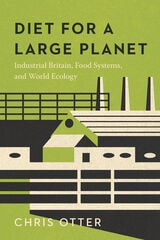
Diet for a Large Planet
Industrial Britain, Food Systems, and World EcologyChris Otter
University of Chicago Press, 2020
We are facing a world food crisis of unparalleled proportions. Our reliance on unsustainable dietary choices and agricultural systems is causing problems both for human health and the health of our planet. Solutions from lab-grown food to vegan diets to strictly local food consumption are often discussed, but a central question remains: how did we get to this point?
In Diet for a Large Planet, Chris Otter goes back to the late eighteenth century in Britain, where the diet heavy in meat, wheat, and sugar was developing. As Britain underwent steady growth, urbanization, industrialization, and economic expansion, the nation altered its food choices, shifting away from locally produced plant-based nutrition. This new diet, rich in animal proteins and refined carbohydrates, made people taller and stronger, but it led to new types of health problems. Its production also relied on far greater acreage than Britain itself, forcing the nation to become more dependent on global resources. Otter shows how this issue expands beyond Britain, looking at the global effects of large agro-food systems that require more resources than our planet can sustain. This comprehensive history helps us understand how the British played a significant role in making red meat, white bread, and sugar the diet of choice—linked to wealth, luxury, and power—and shows how dietary choices connect to the pressing issues of climate change and food supply.
Diet, Health, and Status among the Pasion Maya
A Reappraisal of the CollapseLori E. Wright
Vanderbilt University Press, 2006
This volume also provides an independent assessment of the results of other Petexbatun region subprojects and a comparative evaluation of recent studies by other projects of Late and Terminal Classic culture change. For bioarchaeologists, this work sets a new standard in breadth and depth of osteological study. For Pre-Columbian scholars in general, it provides new insights into the environmental and biological issues involved in the debate on the end of the Classic period of Maya civilization.
VIMA Series #2

Don’t Kill Your Baby
Public Health and the Decline of Breastfeeding in the Nineteenth and Twentieth CenturiesJacqueline H. Wolf
The Ohio State University Press, 2001
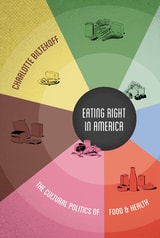
Eating Right in America
The Cultural Politics of Food and HealthCharlotte Biltekoff
Duke University Press, 2013
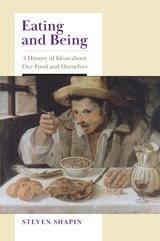
Eating and Being
A History of Ideas about Our Food and OurselvesSteven Shapin
University of Chicago Press, 2024
Eating and Being is a history of Western thinking about food, eating, knowledge, and ourselves. In modern thought, eating is about what is good for you, not about what is good. Eating is about health, not about virtue. Yet this has not always been the case. For a great span of the past—from antiquity through about the middle of the eighteenth century—one of the most pervasive branches of medicine was known as dietetics, prescribing not only what people should eat but also how they should order many aspects of their lives, including sleep, exercise, and emotional management. Dietetics did not distinguish between the medical and the moral, nor did it acknowledge the difference between what was good for you and what was good. Dietetics counseled moderation in all things, where moderation was counted as a virtue as well as the way to health. But during the nineteenth century, nutrition science began to replace the language of traditional dietetics with the vocabulary of proteins, fats, carbohydrates, and calories, and the medical and the moral went their separate ways. Steven Shapin shows how much depended upon that shift, and he also explores the extent to which the sensibilities of dietetics have been lost.
Throughout this rich history, he evokes what it felt like to eat during another historical period and invites us to reflect on what it means to feel about food as we now do. Shapin shows how the change from dietetics to nutrition science fundamentally altered how we think about our food and its powers, our bodies, and our minds.
Eating the Enlightenment
Food and the Sciences in Paris, 1670-1760E. C. Spary
University of Chicago Press, 2012
Edible Medicines
An Ethnopharmacology of FoodNina L. Etkin
University of Arizona Press, 2006
This book investigates the health implications of foods from the cuisines of peoples around the world to describe the place of food in health maintenance. In this wide-ranging book, Nina Etkin reveals the pharmacologic potential of foods in the specific cultural contexts in which they are used. Incorporating co-evolution with a biocultural perspective, she addresses some of the physiological effects of foods across cultures and through history while taking into account both the complex dynamics of food choice and the blurred distinctions between food and medicine. Showing that food choice is more closely linked to health than is commonly thought, she helps us to understand the health implications of people’s food-centered actions in the context of real-life circumstances.
Drawing on an extensive literature that transects food and culture, the history of medicine, ethnopharmacology, food history, nutrition, and human evolution, Edible Medicines demonstrates the intricate relationship between culture and nature. It will appeal to a wide range of scholars and professionals, from anthropologists to nutritionists, as well as general readers seeking a greater understanding of the medicinal aspects of food.

Everywoman’s Guide to Nutrition
Judith Brown
University of Minnesota Press, 1991
Fear of Food
A History of Why We Worry about What We EatHarvey Levenstein
University of Chicago Press, 2012

Feeding Strategy
Jennifer Owen
University of Chicago Press, 1982
Among both plants and animals elaborate strategies have evolved for exploring the surrounding life as food. The feeding behavior of predators is based on a search and strike strategy. In contrast, grazers live surrounded by their food and are relatively immobile. Such animals as impalas and grasshoppers, whose persistent feeding make them ready prey, have evolved means of avoiding the notice of predators or methods of speedy escape. Plants that digest animal tissue have evolved complex and devious means to attract prey.
The variations in style of these feeding encounters and the precision involved in some of the feeding mechanisms are the themes of Feeding Strategy.

Feeding the Future
School Lunch Programs as Global Social PolicyRutledge, Jennifer Geist
Rutgers University Press, 2016
Flavor of Wisconsin for Kids
A Feast of History, with Stories and Recipes Celebrating the Land and People of Our StateTerese Allen
Wisconsin Historical Society Press, 2012
What are some food favorites in Wisconsin, and why are they special to us? How have our landscape and the people who have inhabited it contributed to our food heritage? This unique blend of history book and cookbook gives kids a real taste for hands-on history by showing them how to create and sample foods that link us to the resources found in our state and the heritage of those who produce them.
Designed for kids and adults to use together, The Flavor of Wisconsin for Kids draws upon the same source material that makes The Flavor of Wisconsin by Harva Hachten and Terese Allen a fascinating and authoritative document of the history and traditions of food in our state, and presents it in a colorful, kid-friendly format that’s both instructional and fun. Mindful of the importance of teaching kids about where the foods they eat come from, each chapter examines a different food source—forests; waters; vegetable, meat, and dairy farms; gardens; and communities. The authors explore our state’s foodways, from their origins to how they have changed over the years, and then offer a selection of related recipes. The recipes are written for modern kitchens but use many traditional ingredients and techniques. Level of difficulty is clearly noted, as well as whether a recipe requires a heat source to prepare.
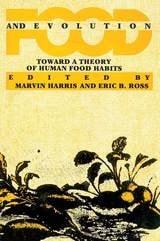
Food And Evolution
Toward a Theory of Human Food Habitsedited by Marvin Harris and Eric B. Ross
Temple University Press, 1989
Foraging for Survival
Yearling Baboons in AfricaStuart A. Altmann
University of Chicago Press, 1998
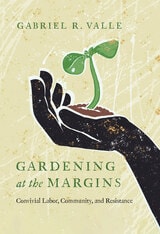
Gardening at the Margins
Convivial Labor, Community, and ResistanceGabriel R. Valle
University of Arizona Press, 2022
Participants in La Mesa Verde home garden program engage in the practices of growing and sharing food to envision and continuously work to enact alternative food systems that connect people to their food and communities. They are building on ancestral knowledge, as well as learning new forms of farming, gardening, and healing through convivial acts of sharing.
The individuals featured in the book are imagining and building alternative worlds and futures amid the very real challenges they embody and endure. Climate change, for example, is forcing thousands of migrants to urban areas, which means recent immigrants’ traditional environmental, nutritional, and healing knowledge will continue to be threatened by the pervasiveness of modernity and the homogenization of global capitalism. Moreover, once rural people migrate to urban areas, their ability to retain traditional foodways will remain difficult without spaces of autonomy. The stories in this book reveal how people create the physical space to grow food and the political space to enact autonomy to revive and restore agroecological knowledge needed for an uncertain future.

Gather 'Round the Table
Food Literacy Programs, Resources, and Ideas for LibrariesHillary Dodge
American Library Association, 2020
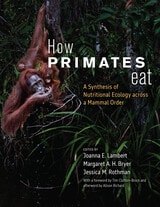
How Primates Eat
A Synthesis of Nutritional Ecology across a Mammal OrderEdited by Joanna E. Lambert, Margaret A. H. Bryer, and Jessica M. Rothman
University of Chicago Press, 2024
What do we mean when we say that a diet is nutritious? Why can some animals get all the energy they need from eating leaves while others would perish on such a diet? Why don’t mountain gorillas eat fruit all day as chimpanzees do? Answers to these questions about food and feeding are among the many tasty morsels that emerge from this authoritative book. Informed by the latest scientific tools and millions of hours of field and laboratory work on species across the primate order and around the globe, this volume is an exhaustive synthesis of our understanding of what, why, and how primates eat. State-of-the-art information presented at physiological, behavioral, ecological, and evolutionary scales will serve as a road map for graduate students, researchers, and practitioners as they work toward a holistic understanding of life as a primate and the urgent conservation consequences of diet and food availability in a changing world.

Introductory Nutrition
Manual of Basic Nutrition ExercisesSooja K. Kim
University of Wisconsin Press, 1987
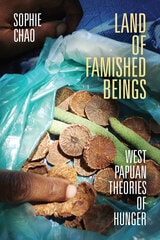
Land of Famished Beings
West Papuan Theories of HungerSophie Chao
Duke University Press, 2025
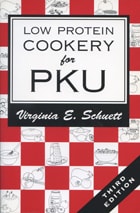
Low Protein Cookery for Phenylketonuria
Virginia E. Schuett
University of Wisconsin Press, 1997
The major new feature of the third edition is entirely new nutrient calculations. The available food supply has changed significantly in the past fifteen years, and nutrient information is much better now. The nutrient calculations in this edition of the cookbook are based on the updated 1995 Low Protein Food List for PKU compiled by the author, which is the most widely used food list for the PKU diet in the United States. Some of the changes in nutrient values are subtle, others more significant; all reflect the best information currently available.
Low Protein Cookery for PKU offers recipes that appeal to a wide range of ages, suit a wide range of individual diet requirements, and facilitate integration of the diet into normal family eating routines. Many of the recipes are suitable for the entire family; others include instructions for adapting the recipe to suit the needs of family members not on the diet, or are accompanied by recipes for the preparation of similar non-diet items. The recipes provide gram weights when appropriate, for greater accuracy in preparing the recipes and in maintaining the diet.
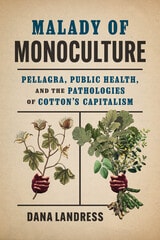
Malady of Monoculture
Pellagra, Public Health, and the Pathologies of Cotton's CapitalismDana Landress
University of Chicago Press, 2027
How the cotton industry restricted sharecroppers’ access to nutritious food, a public health crisis that spurred a wave of influential and inspiring activism.
Pellagra, a nutritional deficiency disease, was once widespread in the southern United States, where it was concentrated in areas of high-yield cotton production. This wasn’t a coincidence. In the early twentieth century, pellagra was ubiquitous in regions where monocultural cotton production foreclosed cotton workers’ access to nutritious foods. Planters paid sharecroppers and millworkers in their own currency—tokens, coins, and other substitutes for money—and sold them unhealthy and overpriced food in company-owned stores. Employers kept workers poor through wage theft, predatory credit systems, and labor coercion, all of which maintained a system of food scarcity.
In Malady of Monoculture, Dana Landress reveals how the unrelenting demands of the cotton economy during the Jim Crow South created a public health crisis in the form of pellagra. She carefully details a “closed food system” that restricted workers’ diets through employer-generated currency; the use of food as an instrument of labor compulsion; manufactured debt structures; alliances between government and private industry; and restrictions on foraging, gardening, and land use. Though official public health programs framed pellagra in personal and behavioral terms, those afflicted with the illness actively challenged the closed food system through union organizing, community health care, freedom farms, and collective action lawsuits. Excavating the landmark contributions of Black nutritionists to the field of public health, Landress spotlights the many constituencies that worked tirelessly to combat hunger and foregrounds their creativity, resilience, and determination.
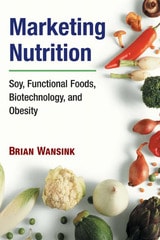
Marketing Nutrition
Soy, Functional Foods, Biotechnology, and ObesityBrian Wansink
University of Illinois Press, 2007
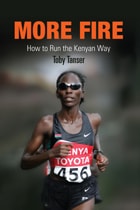
More Fire
How to Run the Kenyan WayToby Tanser
Westholme Publishing, 2008
An Essential Book for Runners of All Abilities
All of the Author’s Proceeds Go to Shoes4Africa to Support the Construction of Children’s Hospitals in Kenya
Kenya has produced the greatest concentration of world-class runners, and fellow athletes have long been intrigued by their remarkable success. Toby Tanser has devoted much of his professional career living and training among Kenyan runners in order to better understand the unique status of East African athletes. In More Fire: How to Run the Kenyan Way, the author builds upon the success of his acclaimed Train Hard, Win Easy, the first book to provide insights into the Kenyan "magic" that so many runners and coaches had sought. Instead of special foods or secret techniques, Tanser found that Kenyan runners simply trained incredibly hard, much harder than anyone had realized. By adapting their training regime—which includes three workouts a day—and following their example, runners, whether novices or champions, are able to improve both their performance and enjoyment in running. For those training for a marathon or any other distance race, this book is both practical and inspirational.
Divided into four parts, the book begins with a description of running in Kenya, the landscape, the physical conditions, and the people; the second part concentrates on details of Kenyan training camps, training methods, and their typical training diet; the third profiles individual runners and coaches from the past and present, with each explaining their approach to running so that readers can gain further insight into their methods. The book ends with a discussion on how the reader can adapt Kenyan training practices for their own running requirements. More Fire: How to Run the Kenyan Way is essential reading for runners of all levels and experience.
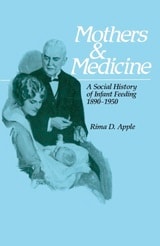
Mothers and Medicine
A Social History of Infant Feeding, 1890–1950Rima D. Apple
University of Wisconsin Press, 1987
In the nineteenth century, infants were commonly breast-fed; by the middle of the twentieth century, women typically bottle-fed their babies on the advice of their doctors. In this book, Rima D. Apple discloses and analyzes the complex interactions of science, medicine, economics, and culture that underlie this dramatic shift in infant-care practices and women’s lives.
As infant feeding became the keystone of the emerging specialty of pediatrics in the twentieth century, the manufacture of infant food became a lucrative industry. More and more mothers reported difficulty in nursing their babies. While physicians were establishing themselves and the scientific experts and the infant-food industry was hawking the scientific bases of their products, women embraced “scientific motherhood,” believing that science could shape child care practices. The commercialization and medicalization of infant care established an environment that made bottle feeding not only less feared by many mothers, but indeed “natural” and “necessary.” Focusing on the history of infant feeding, this book clarifies the major elements involved in the complex and sometimes contradictory interaction between women and the medical profession, revealing much about the changing roles of mothers and physicians in American society.
“The strength of Apple’s book is her ability to indicate how the mutual interests of mothers, doctors, and manufacturers led to the transformation of infant feeding. . . . Historians of science will be impressed with the way she probes the connections between the medical profession and the manufacturers and with her ability to demonstrate how medical theories were translated into medical practice.”—Janet Golden, Isis
Processed Foods and the Consumer
Additives, Labeling, Standards, and NutritionVernal S. Packard Jr.
University of Minnesota Press, 1976
Processed Foods and the Consumer was first published in 1976. Minnesota Archive Editions uses digital technology to make long-unavailable books once again accessible, and are published unaltered from the original University of Minnesota Press editions.
In this comprehensive guide, Professor Packard discusses problems and answers questions of paramount importance to the consumer concerning processed foods that are sold in the marketplace. The book is an excellent text for course use in classes in food science or technology, nutrition, dietetics, institutional food management, and related courses. It is also a valuable reference work for those in food industries and regulatory and health agencies, and for the concerned public.
Protein
The Making of a Nutritional SuperstarSamantha King and Gavin Weedon
Duke University Press, 2026
Protein is everywhere—praised as a muscle builder, a weight-loss miracle, an anti-aging elixir, and the catch-all solution for everything from exercise recovery to global malnutrition. In Protein, Samantha King and Gavin Weedon argue that protein’s rise to nutritional superstardom has less to do with human dietary needs and more to do with how its indeterminate, adhesive qualities are marshalled towards commercial, scientific, and social imperatives. Tracing its path from nineteenth-century biochemistry to the status it enjoys today, they expose how protein has been marketed as a cure for global hunger, repackaged as an eco-friendly meat alternative, and wielded as a symbol of masculinity in the fitness industry. From whey waste in industrial farming to longevity drugs for aging bodies, Protein unpacks the myths behind the macronutrient and challenges what we think we know about food, health, and the forces that shape our diets.
Reconstructing Ancient Maya Diet
Christine White
University of Utah Press, 1999
The collapse of classic Maya civilization at the end of the eighth century A.D. is still an enigma, but the story behind it is likely more than a clash of warring city-states. New research indicates that ecological degradation and nutritional deficiency may be as important to our understanding of Maya cultural processes as deciphering the rise and fall of kings.
Reconstructing Ancient Maya Diet integrates recent data from bone-chemistry research, paleopathology, paleobotany, zooarchaeology, and ethnobotany to show what the ancient Maya actually ate at various periods (as opposed to archaeological suppositions) and how it affected the quality of their lives. It is now evident that to feed a burgeoning population the Maya relied on increasingly intensive forms of agriculture.
Exploring the relationship between these practices, ecological degradation, and social collapse, this book uses dietary data to investigate the rise of agricultural systems and class structure; the characterization of social relationships along lines of gender and age (i.e., who ate what); and the later effects of the Spanish conquest on diet and extant modes of agriculture.
Maya subsistence has been investigated intensively for the past two decades, but this is the first volume that unites work across the spectrum of Maya bioarchaeology.
Self-Defense
A Myth-Busting Guide to Immune HealthDaniel M. Davis
University of Chicago Press, 2025
A world-renowned scientist offers a much-needed analysis of what it takes to have good immune health—helping readers navigate what can really help, what is a complete myth, and why.
Does orange juice help ward off colds? And how does our age affect our ability to recover from one? When it comes to immunity, are we really what we eat? Or how much we eat? We are surrounded by big questions and big claims about enhancing our immune systems, so how do we tell the fiction from the facts? And, ultimately, what can we do to reduce our chances of getting sick?
World-leading immunologist Daniel M. Davis offers answers in this authoritative, highly accessible, myth-busting guide to the effects of stress, age, exercise, weight, nutrition, sleep, vaccines, and mental health on our immune health. Taking us to the cutting edge of immunology research and explaining both what we know and how we know it, Self-Defense helps readers spot phony claims and make informed choices. Davis shows us that everyone’s immune system is entirely unique, and that’s why we should be wary of one-size-fits-all “cures.” We learn how exercise, for example, has all sorts of different, even opposing, short- and long-term effects on our immune health. And while our gut microbes are vitally important, it’s unlikely that yogurt drinks can really boost your immune system to stop you getting ill.
An eye-opening window into some of the astonishing possibilities for the future, when it comes to distinguishing bogus and beneficial health claims about everything from vitamin D to inflammation and cancer therapies, Davis’s book may be your best self-defense.
Self-Defense
A Myth-Busting Guide to Immune HealthDaniel M. Davis
University of Chicago Press, 2025
A world-renowned scientist offers a much-needed analysis of what it takes to have good immune health—helping readers navigate what can really help, what is a complete myth, and why.
Does orange juice help ward off colds? And how does our age affect our ability to recover from one? When it comes to immunity, are we really what we eat? Or how much we eat? We are surrounded by big questions and big claims about enhancing our immune systems, so how do we tell the fiction from the facts? And, ultimately, what can we do to reduce our chances of getting sick?
World-leading immunologist Daniel M. Davis offers answers in this authoritative, highly accessible, myth-busting guide to the effects of stress, age, exercise, weight, nutrition, sleep, vaccines, and mental health on our immune health. Taking us to the cutting edge of immunology research and explaining both what we know and how we know it, Self-Defense helps readers spot phony claims and make informed choices. Davis shows us that everyone’s immune system is entirely unique, and that’s why we should be wary of one-size-fits-all “cures.” We learn how exercise, for example, has all sorts of different, even opposing, short- and long-term effects on our immune health. And while our gut microbes are vitally important, it’s unlikely that yogurt drinks can really boost your immune system to stop you getting ill.
An eye-opening window into some of the astonishing possibilities for the future, when it comes to distinguishing bogus and beneficial health claims about everything from vitamin D to inflammation and cancer therapies, Davis’s book may be your best self-defense.
The Complete Vegetarian
The Essential Guide to Good HealthEdited by Peggy Carlson M.D.
University of Illinois Press, 2009
Essential and in-depth The Complete Vegetarian is an invaluable guide for health professionals and the growing number of people who have adopted or want to adopt a vegetarian lifestyle.
The Fats of Life
Essential Fatty Acids in Health and DiseaseLawrence, Glen D
Rutgers University Press, 2010
The Fats of Life delineates the importance of essential fatty acids, with a focus on distinctions between omega-3 and omega-6 fatty acid variants. The chemical and biochemical characteristics of these fatty acids and their metabolism to a vast array of potent bioactive messengers are described in the context of their potential effects on general health and impact on various diseases and neurological disorders. Glen D. Lawrence addresses in detail the capacity for polyunsaturated fatty acids to influence asthma, atherosclerosis, heart disease, inflammation, cancer, and immunity. Lawrence makes clear that our understanding of the biochemical and physiological effects of dietary fats has advanced tremendously as a result of careful research, but he also stresses that this knowledge has not easily translated into sound dietary recommendations.
The Story of Food in the Human Past
How What We Ate Made Us Who We AreRobyn E. Cutright
University of Alabama Press, 2021
Explore how food shaped humanity in this compelling archaeological journey.
The Story of Food in the Human Past: How What We Ate Made Us Who We Are uses case studies from recent archaeological research to tell the story of food in human prehistory. Beginning with the earliest members of our genus, Robyn E. Cutright investigates the role of food in shaping who we are as humans during the emergence of modern Homo sapiens and through major transitions in human prehistory such as the development of agriculture and the emergence of complex societies.
This fascinating study begins with a discussion of how food shaped humans in evolutionary terms by examining what makes human eating unique, the use of fire to cook, and the origins of cuisine as culture and adaptation through the example of Neandertals. The second part of the book describes how cuisine was reshaped when humans domesticated plants and animals and examines how food expressed ancient social structures and identities such as gender, class, and ethnicity. Cutright shows how food took on special meaning in feasts and religious rituals and also pays attention to the daily preparation and consumption of food as central to human society.
Cutright synthesizes recent paleoanthropological and archaeological research on ancient diet and cuisine and complements her research on daily diet, culinary practice, and special-purpose mortuary and celebratory meals in the Andes with comparative case studies from around the world to offer readers a holistic view of what humans ate in the past and what that reveals about who we are.
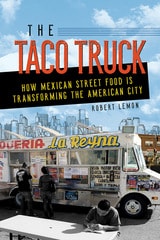
The Taco Truck
How Mexican Street Food Is Transforming the American CityRobert Lemon
University of Illinois Press, 2019
Drawing on interviews with taco truck workers and his own skills as a geographer, Robert Lemon illuminates new truths about foodways, community, and the unexpected places where ethnicity, class, and culture meet. Lemon focuses on the San Francisco Bay Area, Sacramento, and Columbus, Ohio, to show how the arrival of taco trucks challenge preconceived ideas of urban planning even as cities use them to reinvent whole neighborhoods. As Lemon charts the relationships between food practices and city spaces, he uncovers the many ways residents and politicians alike contest, celebrate, and influence not only where your favorite truck parks, but what's on the menu.
The World of Soy
Edited by Christine M. Du Bois, Sidney Mintz, and Chee-Beng Tan
University of Illinois Press, 2007
As the most ecologically efficient and economical source of complete protein in human food, soy is gradually attracting more use in the American diet for its nutritional and financial value. Derived from soybean plants--the leading export crop of the United States and the world's most traded crop--soy produced for human consumption is part of a global enterprise affecting the likes of farmers, economists, dieticians, and grocery shoppers. An international group of expert food specialists--including an agricultural economist, an agricultural sociologist, a former Peace Corps development expert, and numerous food anthropologists and agricultural historians--discusses important issues central to soy production and consumption: genetically engineered soybeans, increasing soybean cultivation, soyfood marketing techniques, the use of soybeans as an important soil restorative, and the rendering of soybeans for human consumption.
Contributors are Katarzyna Cwiertka, Christine M. Du Bois, H. T. Huang, Lawrence Kaplan, Jian-Hua Mao, Sidney W. Mintz, Akiko Moriya, Can Van Nguyen, Donald Z. Osborn, Erino Ozeki, Myra Sidharta, Ivan Sergio Freire de Sousa, Chee-Beng Tan, and Rita de Cássia Milagres Teixeira Vieira.
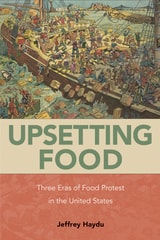
Upsetting Food
Three Eras of Food Protests in the United StatesJeffrey Haydu
Temple University Press, 2021
Battle lines have long been drawn over how food is produced, what food is made available to whom, and how best to protect consumers from risky or unhealthy food. Jeffrey Haydu resurrects the history of food reform and protest in Upsetting Food, showing how activists defined food problems, articulated solutions, and mobilized for change in the United States.
Haydu’s sociological history starts in the 1830s with diet reformer Sylvester Graham, who blamed alcohol and store-bought bread—signs of a commercializing urban society—for poor health and moral decline. His successors at the turn of the twentieth century rallied against impure food and pushed for women to be schooled in scientific food preparation and nutrition. Decades later, in the 1960s and ’70s, a grassroots movement for organic food battled commercial food production in favor of food grown ecologically, by small farmers, and without artificial chemicals.
Each campaign raised doubts about food safety, health, and transparency, reflecting how a capitalist system can undermine trust in food. But Haydu also considers how each movement reflects the politics, inequalities, and gender relations of its time. And he traces how outcomes of each campaign laid the groundwork for the next. The three eras thus come together as parts of a single, recurring food movement.
Upsetting Food offers readers a historical background to better understand contemporary and contentious food politics.