Results by title
2 books match the query 'Subtext'
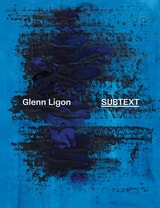
Glenn Ligon
SubtextEdited by Molly Donovan
University of Chicago Press, 0
A stunning survey of work by Glenn Ligon, an artist known for explorations of cultural literacy and Blackness.
Throughout his practice, artist Glenn Ligon has explored the power of language to visualize and materialize the Black experience in America. Accompanying a major touring exhibition, Glenn Ligon: Subtext highlights the artist’s consistent attention to literary and artistic production.
Ligon’s works cite a variety of texts, from a historical civil rights protest sign and dream books to writings by James Baldwin, Toni Morrison, and other literary giants. His citations invite viewers to consider the subtexts underlying complex discourses around representation and cultural literacy. This volume traces how Ligon layers his sources into a wide range of media, including monumental paintings, prints and drawings, and neon sculptures. The book also examines Ligon’s own curatorial practice, itself another way he cites artistic influences.
Alongside the presentation of new works, this book considers Ligon’s multidisciplinary practice through contributions from acclaimed scholars and artists, including Molly Donovan, Jennie C. Jones, Julie Mehretu, and Ligon himself. With stunning gatefolds and illustrations spanning nearly forty years of Ligon’s career, this book offers an expansive view of a leading American artistic voice, underscoring Ligon’s recurring focus on language and texts, and specifically on the crucial role played by Black and queer voices.
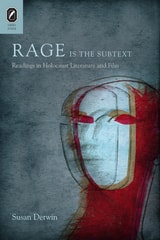
Rage Is the Subtext
Readings in Holocaust Literature and FilmSusan Derwin
The Ohio State University Press, 2012
Rage Is the Subtext charts the internal shifts of Holocaust survivors who tell their stories of suffering, loss, and endurance. Susan Derwin locates the healing effect of literary testimony in its capacity to represent the reactions of survivors to traumatic experience, while concealing other more unsettling responses from view. Beneath the explicit concerns of works by Primo Levi, Saul Friedländer, Binjamin Wilkomirski, Imre Kertész and Liliana Cavani, Derwin uncovers unspoken reserves of rage, which then become legible as formal properties of the text.