Results by title
2 books match the query 'Transnational Stardom'
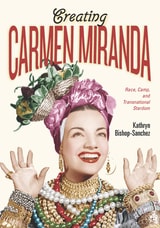
Creating Carmen Miranda
Race, Camp, and Transnational StardomKathryn Bishop-Sanchez
Vanderbilt University Press, 2016
This final performance in many ways exemplified the power of Carmen Miranda. The actress, singer, and dancer pursued a relentless mission to demonstrate the provocative theatrical force of her cultural roots in Brazil. Armed with bare-midriff dresses, platform shoes, and her iconic fruit-basket headdresses, Miranda stole the show in films like That Night in Rio and The Gang's All Here. For American film audiences, her life was an example of the exoticism of a mysterious, sensual South America. For Brazilian and Latin American audiences, she was an icon. For the gay community, she became a work of art personified and a symbol of courage and charisma.
In Creating Carmen Miranda, Kathryn Bishop-Sanchez takes the reader through the myriad methods Miranda consciously used to shape her performance of race, gender, and camp culture, all to further her journey down the road to becoming a legend.

Sessue Hayakawa
Silent Cinema and Transnational StardomDaisuke Miyao
Duke University Press, 2007
Drawing on early-twentieth-century sources in both English and Japanese, including Japanese-language newspapers in the United States, Miyao illuminates the construction and reception of Hayakawa’s stardom as an ongoing process of cross-cultural negotiation. Hayakawa’s early work included short films about Japan that were popular with American audiences as well as spy films that played upon anxieties about Japanese nationalism. The Jesse L. Lasky production company sought to shape Hayakawa’s image by emphasizing the actor’s Japanese traits while portraying him as safely assimilated into U.S. culture. Hayakawa himself struggled to maintain his sympathetic persona while creating more complex Japanese characters that would appeal to both American and Japanese audiences. The star’s initial success with U.S. audiences created ambivalence in Japan, where some described him as traitorously Americanized and others as a positive icon of modernized Japan. This unique history of transnational silent-film stardom focuses attention on the ways that race, ethnicity, and nationality influenced the early development of the global film industry.