Results by title
3 books match the query 'Video recordings industry'
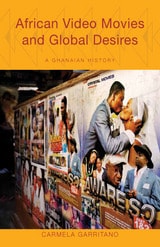
African Video Movies and Global Desires
A Ghanaian HistoryCarmela Garritano
Ohio University Press, 2013
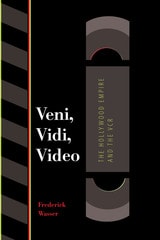
Veni, Vidi, Video
The Hollywood Empire and the VCRBy Frederick Wasser
University of Texas Press, 2002
A funny thing happened on the way to the movies. Instead of heading downtown to a first-run movie palace, or even to a suburban multiplex with the latest high-tech projection capabilities, many people's first stop is now the neighborhood video store. Indeed, video rentals and sales today generate more income than either theatrical releases or television reruns of movies.
This pathfinding book chronicles the rise of home video as a mass medium and the sweeping changes it has caused throughout the film industry since the mid-1970s. Frederick Wasser discusses Hollywood's initial hostility to home video, which studio heads feared would lead to piracy and declining revenues, and shows how, paradoxically, video revitalized the film industry with huge infusions of cash that financed blockbuster movies and massive marketing campaigns to promote them. He also tracks the fallout from the video revolution in everything from changes in film production values to accommodate the small screen to the rise of media conglomerates and the loss of the diversity once provided by smaller studios and independent distributors.
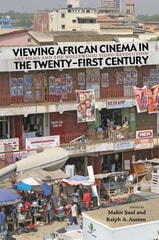
Viewing African Cinema in the Twenty-First Century
Art Films and the Nollywood Video RevolutionMahir Saul
Ohio University Press, 2010
African cinema in the 1960s originated mainly from Francophone countries. It resembled the art cinema of contemporary Europe and relied on support from the French film industry and the French state. Beginning in 1969 the biennial Festival panafricain du cinéma et de la télévision de Ouagadougou (FESPACO), held in Burkina Faso, became the major showcase for these films. But since the early 1990s, a new phenomenon has come to dominate the African cinema world: mass-marketed films shot on less expensive video cameras. These “Nollywood” films, so named because many originate in southern Nigeria, are a thriving industry dominating the world of African cinema.
Viewing African Cinema in the Twenty-first Century is the first book to bring together a set of essays offering a comparison of these two main African cinema modes.
Contributors: Ralph A. Austen and Mahir Şaul, Jonathan Haynes, Onookome Okome, Birgit Meyer, Abdalla Uba Adamu, Matthias Krings, Vincent Bouchard, Laura Fair, Jane Bryce, Peter Rist, Stefan Sereda, Lindsey Green-Simms, and Cornelius Moore