Results by title
2 books match the query 'We Live'
"We Live in the Shadow"
Inner-City Kids Tell Their Stories through PhotographsElaine Bell Kaplan
Temple University Press, 2013
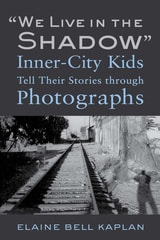
Looking at their photo of railroad tracks, a group of preteen students in South Central Los Angeles see either "a way out of the ghetto," or a "dirty, bad environment." Such are the impressions expressed in the poignant "We Live in the Shadow": Inner-City Kids Tell Their Stories through Photographs.
In Elaine Bell Kaplan's perceptive book, at-risk youth were given five-dollar cameras to tell stories about their world. Their photos and stories show us their response to negative inner-city teen images. We follow them into their schools, and we hear about their creative coping strategies. While these kids see South Central as dangerous, they also see themselves as confident enough to not let the inner city take them down. They refuse to be labeled as "ghetto thugs," as outsiders sometimes do. These outsiders include police, teachers, and other groups representing the institutional voices governing their daily lives.
The kids in "We Live in the Shadow": Inner-City Kids Tell Their Stories through Photographs have developed a multilayered view of society. This impressive book gives voice to their resilience.
We Live with the Sea
Ecologizing Safety in Post-Tsunami JapanAndrew Littlejohn
Duke University Press, 2026