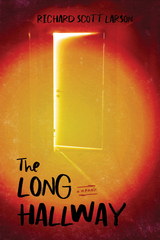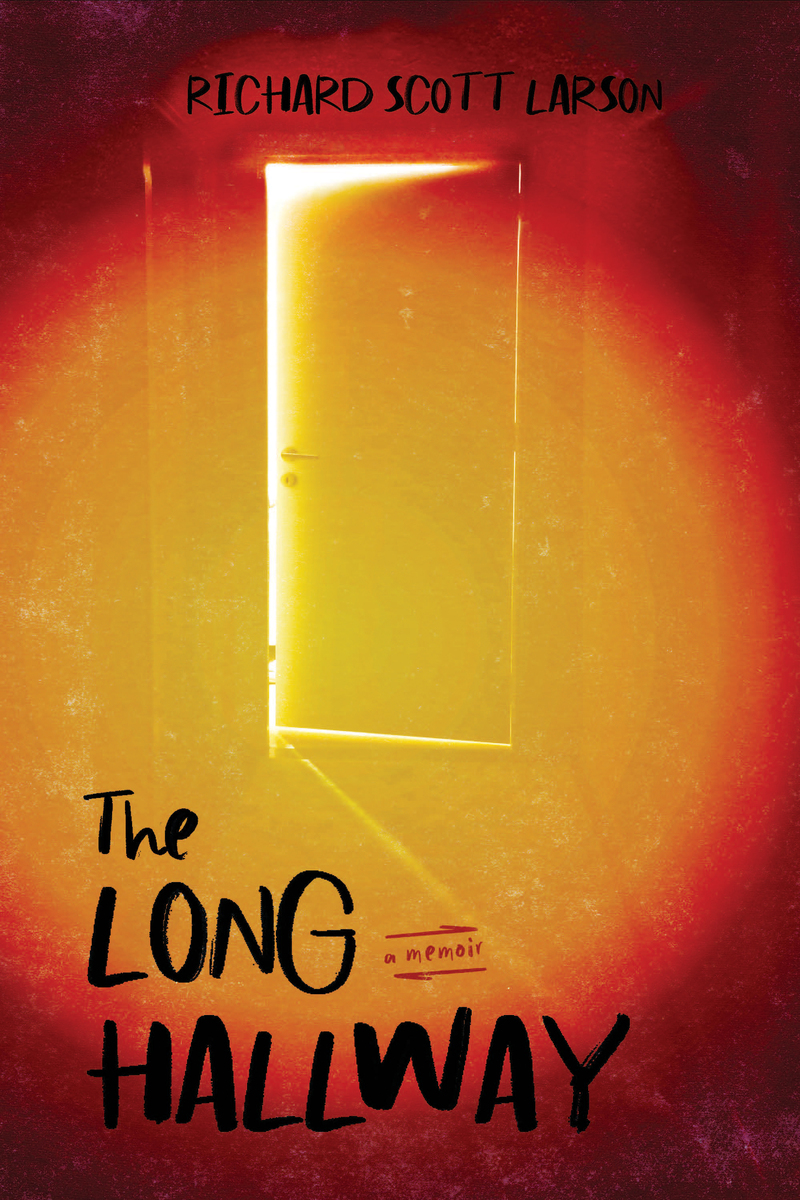
The Long Hallway
University of Wisconsin Press, 2024
Paper: 978-0-299-34724-6 | eISBN: 978-0-299-34728-4 (ePub)
Library of Congress Classification HQ75.8.L377A3 2024
Dewey Decimal Classification 306.760811
Paper: 978-0-299-34724-6 | eISBN: 978-0-299-34728-4 (ePub)
Library of Congress Classification HQ75.8.L377A3 2024
Dewey Decimal Classification 306.760811
ABOUT THIS BOOK | AUTHOR BIOGRAPHY | REVIEWS | REQUEST ACCESSIBLE FILE
ABOUT THIS BOOK
Growing up queer, closeted, and afraid, Richard Scott Larson found expression for his interior life in horror films, especially John Carpenter’s 1978 classic, Halloween. He developed an intense childhood identification with Michael Myers, Carpenter’s inscrutable masked villain, as well as Michael’s potential victims. In The Long Hallway, Larson scrutinizes this identification, meditating on horror as a metaphor for the torments of the closet.
Larson was only nine years old when he recognized something of his own experience in how Michael Myers hid his true face from the world. This spark of recognition ignited his imagination while he searched for clues to what the future might hold for boys like him, all the while being made to understand his nascent sexuality as deviant and punishable. Like in the movies, his superficially safe suburban childhood was in fact filled with threat: a classmate’s murder, his father’s alcoholism and death, and his own sexual assault by a much older man. The figurative mask Larson learned to wear could not contain his yearning to be seen and desired. In the aftermath of this violence, his boyhood self came to believe that fear and desire would be forever intertwined.
This lyrical memoir expresses a boy’s search for identity while navigating the darkness and isolation of a deeply private inner world. With introspection and tenderness, Larson reflects on how little we understand in the moment about the experiences that mark us forever.
See other books on: Gender Identity | Genres | Horror | LGBTQ+ | Subjects & Themes
See other titles from University of Wisconsin Press