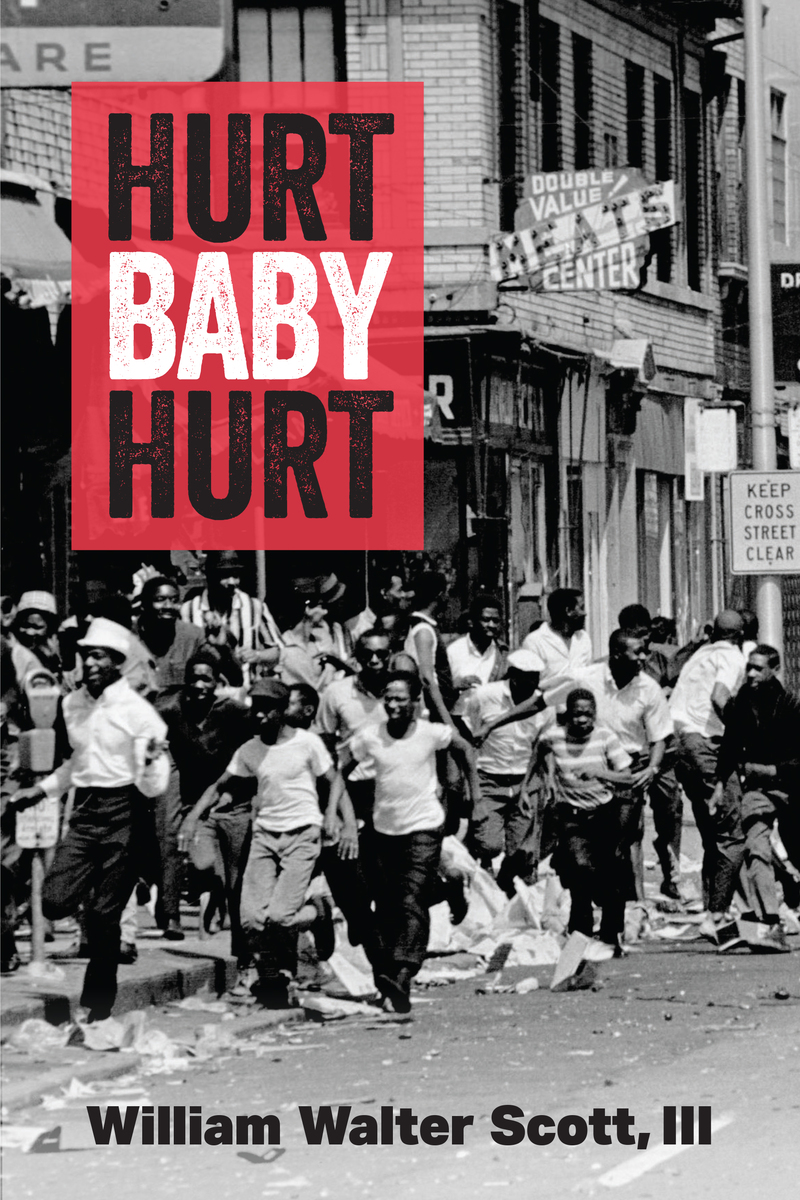
Hurt, Baby, Hurt
University of Michigan Press, 2025
Paper: 978-0-472-03976-0 | eISBN: 978-0-472-90473-0 (OA)
Library of Congress Classification E185.615
See other books on: 1947- | Detroit | Detroit (Mich.) | Protest movements | Riots
See other titles from University of Michigan Press
Paper: 978-0-472-03976-0 | eISBN: 978-0-472-90473-0 (OA)
Library of Congress Classification E185.615
ABOUT THIS BOOK | AUTHOR BIOGRAPHY | REVIEWS | TOC | REQUEST ACCESSIBLE FILE
ABOUT THIS BOOK
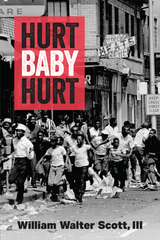
The 1967 Detroit Rebellion was the bloodiest of the urban riots in the United States during the “Long hot summer of 1967.” Hurt, Baby, Hurt takes a personal look at the Rebellion from the perspective of William Walter Scott, III. The Rebellion began when police raided an unlicensed drinking club owned by Scott’s father and continued for five days, resulting in forty-three deaths and even more injuries, fires, and arrests. Scott, who was just 19 at the time and working as a doorman at his father’s club, is widely recognized as the man who started the Rebellion by throwing a bottle at one of the police officers.
This memoir recounts Scott’s life from his birth up through the Rebellion. It tells the story of how the Rebellion started and provides an on-the-ground account of the Rebellion and its immediate aftermath, including the police detainment of the people involved. Now with a new foreword by Austin McCoy that considers the lasting impact of the rebellion, Hurt, Baby, Hurt offers valuable insight into an important part of Detroit history.
This memoir recounts Scott’s life from his birth up through the Rebellion. It tells the story of how the Rebellion started and provides an on-the-ground account of the Rebellion and its immediate aftermath, including the police detainment of the people involved. Now with a new foreword by Austin McCoy that considers the lasting impact of the rebellion, Hurt, Baby, Hurt offers valuable insight into an important part of Detroit history.
See other books on: 1947- | Detroit | Detroit (Mich.) | Protest movements | Riots
See other titles from University of Michigan Press