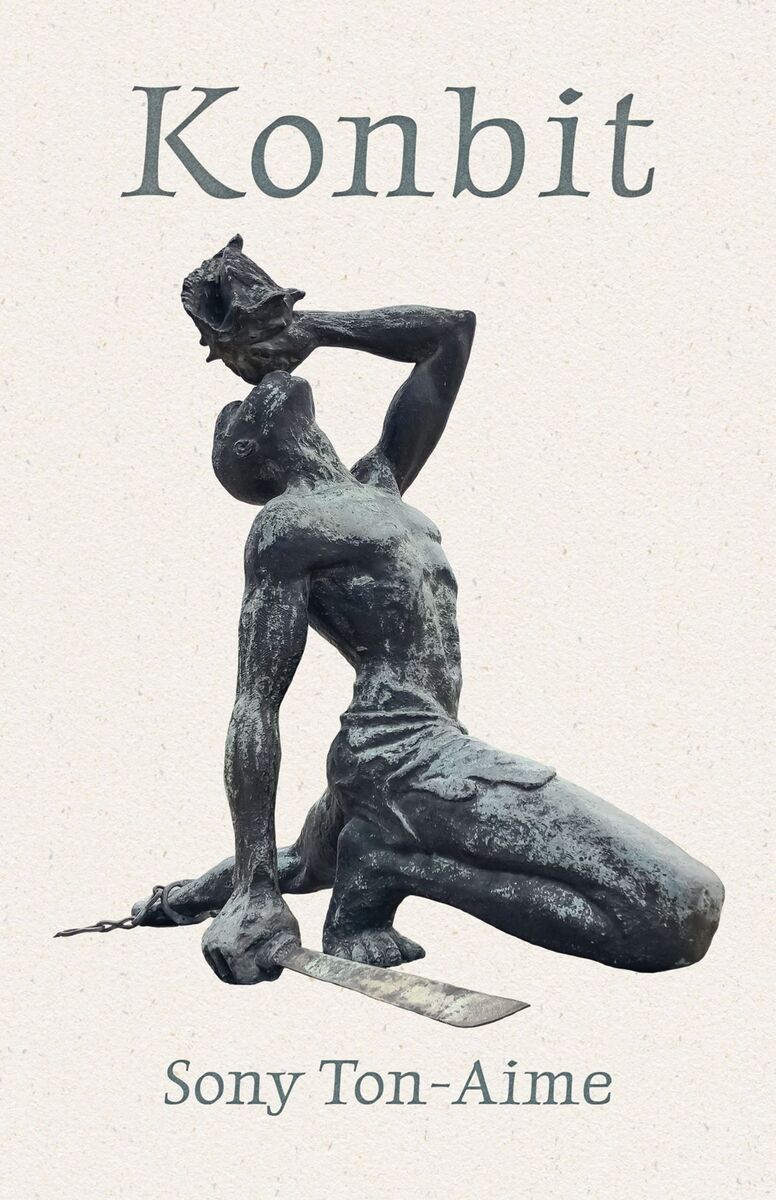
Konbit
Carnegie Mellon University Press, 2026
Paper: 978-0-88748-726-2
See other books on: African American & Black | American | Caribbean & Latin American | Poetry
See other titles from Carnegie Mellon University Press
Paper: 978-0-88748-726-2
ABOUT THIS BOOK | AUTHOR BIOGRAPHY | REVIEWS | TOC
ABOUT THIS BOOK
Poems that capture a transformative and visionary way of life in Haiti.
Konbit is a Haitian Creole word, a way of living, for which there is no direct translation in the English language. It captures the communal life in Haiti and is used for every event where neighbors are called upon to help each other. These poems revolve around the Bois-Caïman ceremony (the first konbit) when enslaved people in Saint-Domingue vowed to fight for their independence. The ceremony is both real and a stand-in for climate change. Like our society, everything around enslaved people in Saint-Domingue was created to uphold the status quo. Imagining an alternative would have been seen as futile. Yet, they did. This collection is an attempt to do the same, to imagine a future beyond colonialism, imperialism, and climate catastrophe. With poems influenced by and in conversation with Tyehimba Jess, Natasha Trethewey, Derek Walcott, Shara McCallum, and Adrian Matejka, Sony Ton-Aime aims to provide a new language to articulate our common past, present, and future.
Konbit is a Haitian Creole word, a way of living, for which there is no direct translation in the English language. It captures the communal life in Haiti and is used for every event where neighbors are called upon to help each other. These poems revolve around the Bois-Caïman ceremony (the first konbit) when enslaved people in Saint-Domingue vowed to fight for their independence. The ceremony is both real and a stand-in for climate change. Like our society, everything around enslaved people in Saint-Domingue was created to uphold the status quo. Imagining an alternative would have been seen as futile. Yet, they did. This collection is an attempt to do the same, to imagine a future beyond colonialism, imperialism, and climate catastrophe. With poems influenced by and in conversation with Tyehimba Jess, Natasha Trethewey, Derek Walcott, Shara McCallum, and Adrian Matejka, Sony Ton-Aime aims to provide a new language to articulate our common past, present, and future.
See other books on: African American & Black | American | Caribbean & Latin American | Poetry
See other titles from Carnegie Mellon University Press