Cloth: 978-1-78735-692-4 | Paper: 978-1-78735-693-1
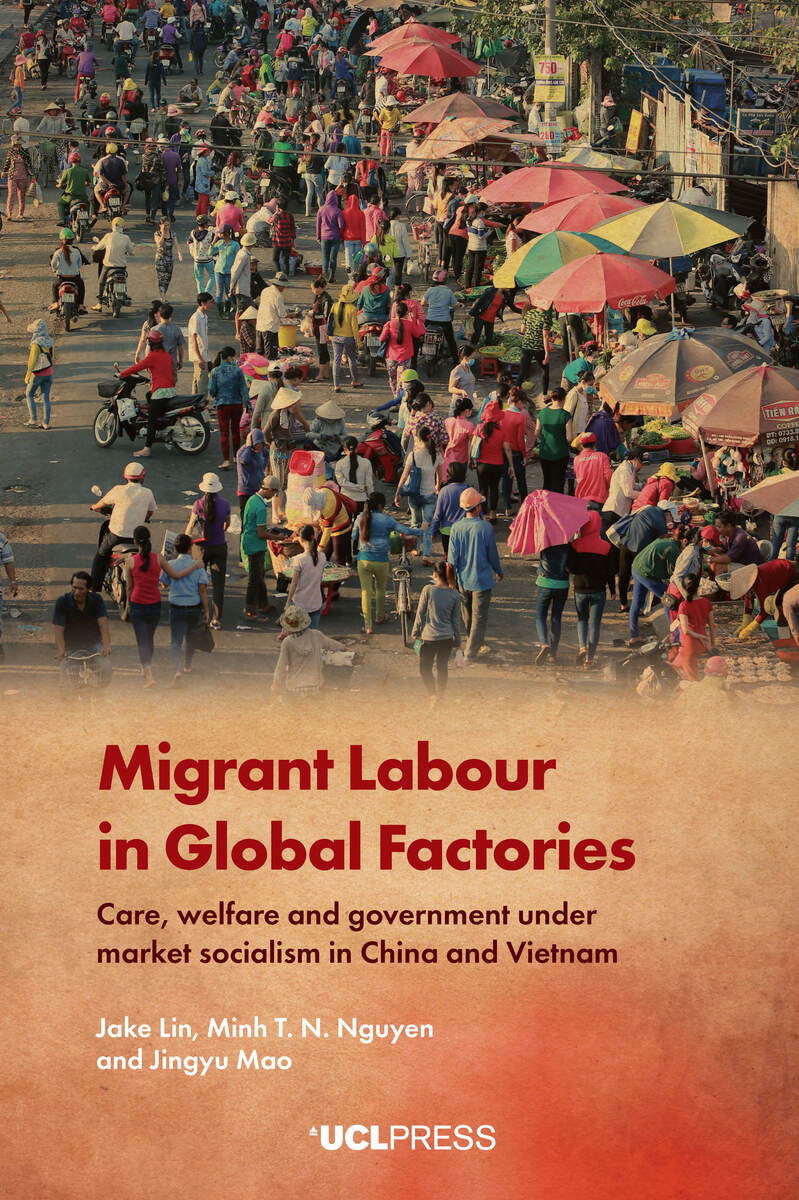
This interdisciplinary study investigates the unique challenges faced by migrant workers in the market socialist countries of China and Vietnam.
The labor of hundreds of millions of internal migrant workers plays a crucial role for China and Vietnam’s national development and the expansion of global production chains in these market socialist countries. As the Communist party states have been promoting both marketization and welfare expansion since their respective reforms began, contradictions between the commodification and social protection of labor lead to significant obstacles to migrant workers’ welfare and well-being in the post-reform era.
Bringing into focus the connection between the reconfiguration of labor and changes in the two countries’ welfare systems, Migrant Labour in Global Factories analyzes how these contradictions shape the care of their huge migrant labor forces. It explores how they unfold in the historical and political contexts of both countries, bringing a range of relevant theories about welfare and social policymaking to bear on the features of the market socialist economy. The book argues that the evolving welfare systems in China and Vietnam fail to meaningfully address the social consequences of labor commodification in contexts where neoliberal development is instrumentalized to serve the political control and legitimacy of the party states. This is often at the cost of long-term and sustainable social policies for migrant labor in global factories.
See other books on: Asian Studies | Care | Immigration & Emigration | Labor & Industrial Relations | welfare
See other titles from University College London