Cloth: 978-1-9788-4497-1 | Paper: 978-1-9788-4496-4 | eISBN: 978-1-9788-4498-8 (all)
Library of Congress Classification ML3502.K7C4513 2026
Dewey Decimal Classification 782.4216309519
The history of the Korean popular music industry dates back a century before the beginnings of K-Pop, to when the Korean peninsula was still under Japanese rule. Though Koreans didn’t have an independent country, they were still able to use recorded music to assert a distinct cultural identity.
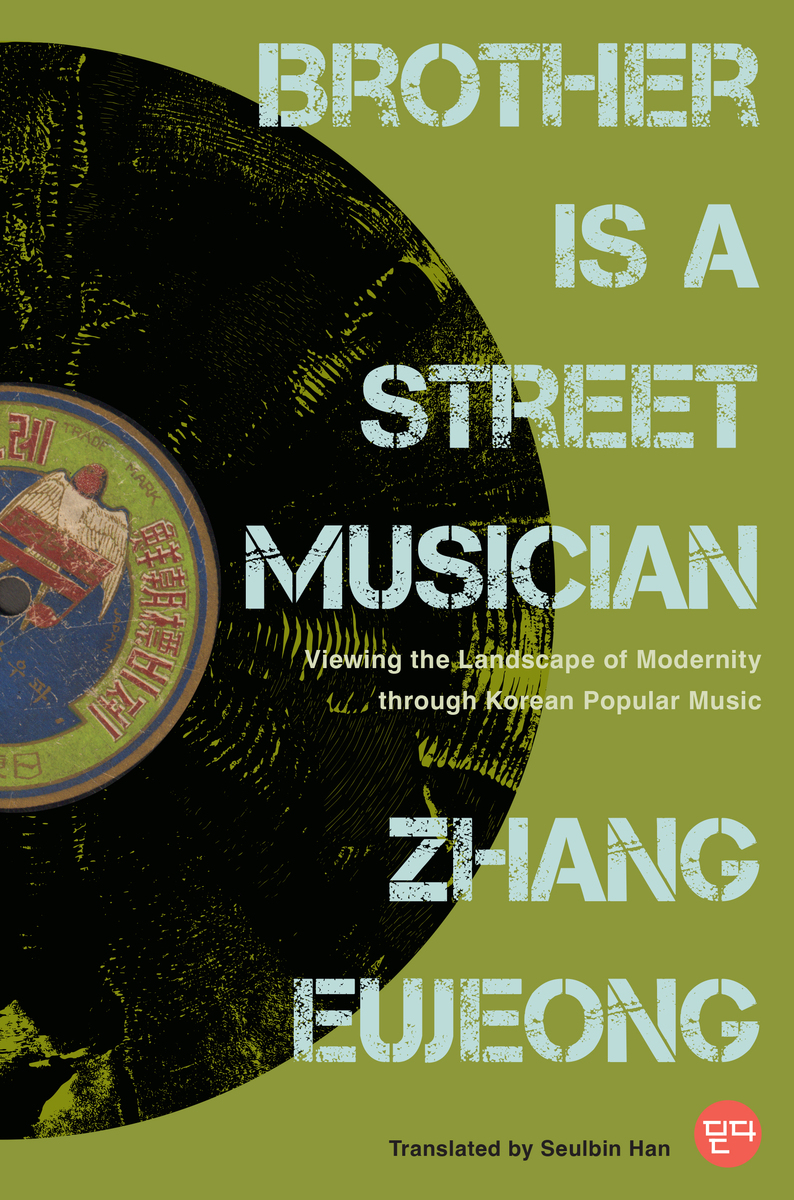
Brother Is a Street Musician chronicles the development of Korean popular music over the first half of the twentieth century, examining both industry trends and talented composers and performers like Nam Insu and Yi Nanyǒng. Drawing from rare archives of gramophone records and lyric books, musicologist Zhang Eujeong shows how Korean musicians drew from folk traditions to create totally new genres, ranging from comic songs to Western-influenced jazz records. She also includes English translations and detailed analyses of lyrics from some of the era’s most popular songs.
A landmark study of Korean music, now available in English for the first time, Brother Is a Street Musician tells the inspiring story of how a colonized people developed their own form of popular music, planting the seeds for an industry that would grow to export Korean culture around the world.
See other books on: Korea | Landscape | Popular music | Sound recording industry | Viewing
See other titles from Rutgers University Press