Cloth: 979-8-89948-219-9 | Paper: 979-8-89948-218-2 | eISBN: 979-8-89948-220-5
Shedding new light on the actors, infrastructures, and events that shaped the development of literary and cultural theory
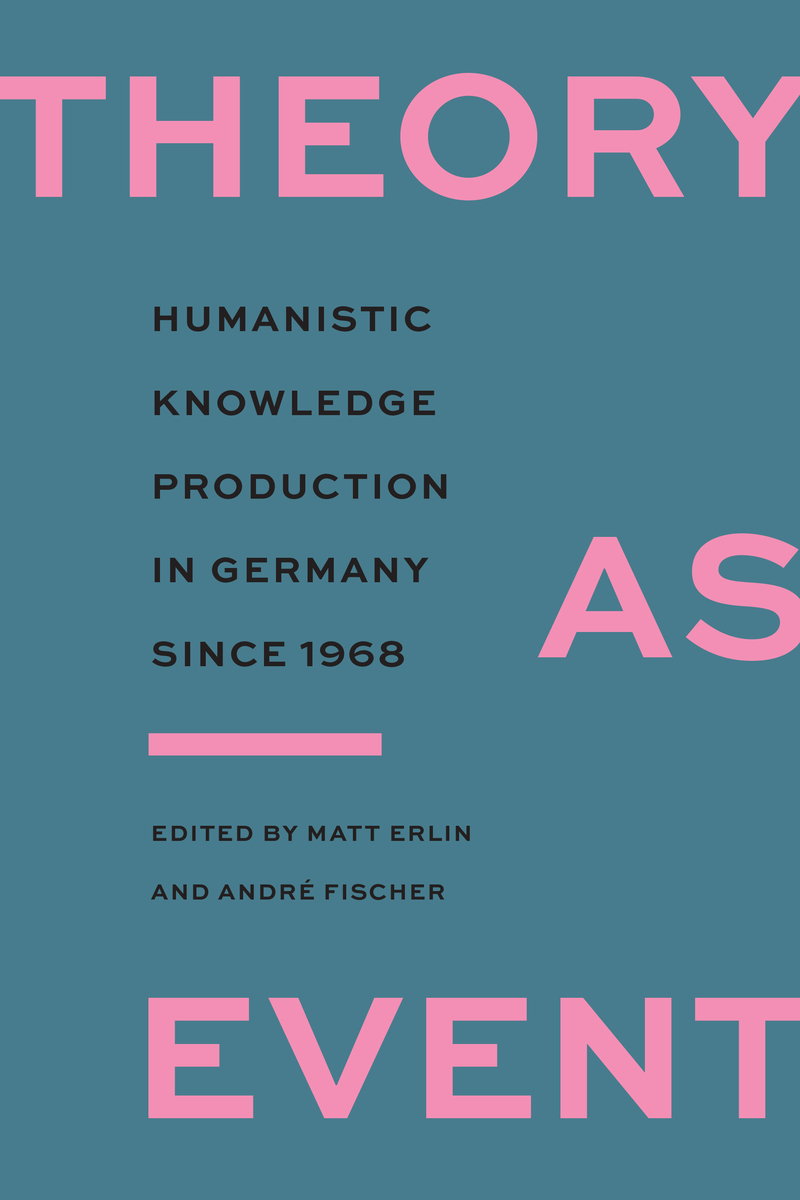
While theory aspires by its very nature to timeless validity, the ascendency of particular intellectual paradigms at specific historical moments depends on a complex assemblage of institutional, historical, political, material, and medial factors. Theory as Event: Humanistic Knowledge Production in Germany Since 1968 reconsiders the so-called age of theory as it took shape in the German-speaking world after 1968. In invoking the term “event,” this volume draws attention to the myriad incidents and accidents that enable the creation, diffusion, and canonization of humanistic knowledge, from public controversies and debates to the circulation of various forms of print media.
By conceptualizing theory as an event, the volume also sheds new light on the quotidian, praxeological forms of knowledge production—inconspicuous but no less important acts of research, teaching, and even administration that have shaped the intellectual landscape of the humanities, from visiting professorships and habilitation defenses to the founding of new working groups. In shifting attention from the explication of individual works to these seemingly paratextual phenomena, the contributors to this collection not only offer a fresh perspective on key moments in German intellectual history; they also model a new approach to the history of ideas.
See other books on: Event | Fischer, André | German | Langston, Richard | Wetters, Kirk
See other titles from Northwestern University Press