
 A SCHOLARLY BOOK REPOSITORY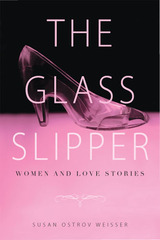
Why is the story of romance in books, magazines, and films still aimed at women rather than at men? Even after decades of feminism, traditional ideas and messages about romantic love still hold sway and, in our “postfeminist” age, are more popular than ever. Increasingly, we have become a culture of romance: stories of all kinds shape the terms of love. Women, in particular, love a love story.
The Glass Slipper is about the persistence of a familiar Anglo-American love story into the digital age. Comparing influential classics to their current counterparts, Susan Ostrov Weisser relates in highly amusing prose how these stories are shaped and defined by and for women, the main consumers of romantic texts. Following a trajectory that begins with Jane Austen and concludes with Internet dating sites, Weisser shows the many ways in which nineteenth-century views of women’s nature and the Victorian idea of romance have survived the feminist critique of the 1970s and continue in new and more ambiguous forms in today’s media, with profound implications for women.
More than a book about romance in fiction and media, The Glass Slipper illustrates how traditional stories about women’s sexuality, femininity, and romantic love have survived as seemingly protective elements in a more modern, feminist, sexually open society, confusing the picture for women themselves. Weisser compares diverse narratives—historical and contemporary from high literature and “low” genres—discussing novels by Jane Austen and Charlotte Brontë, Victorian women’s magazines, and D. H. Lawrence’s Lady Chatterley’s Lover; Disney movies; popular Harlequin romance novels; masochistic love in films; pornography and its relationship to romance; and reality TV and Internet ads as romantic stories.
Ultimately, Weisser shows that the narrative versions of the Glass Slipper should be taken as seriously as the Glass Ceiling as we see how these representations of romantic love are meant to inform women’s beliefs and goals. In this book, Weisser’s goal is not to shatter the Glass Slipper, but to see through it.
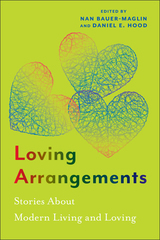
Love songs and Hollywood romances make it all sound so simple: You find your soul mate, move in together, get married, never stray from the path of monogamy, and live happily ever after. But real life tends to be more complicated. Many couples pursue alternative living arrangements, and some even pursue alternative loving arrangements.
The twenty-nine personal essays in this collection offer a variety of perspectives and experiences with nontraditional relationships and forms of cohabitation. The contributors include married couples who live in separate cities and single people who find companionship through communes and cohousing. These essays also present varied outlooks on the practice and ethics of having multiple partners, with some embracing large polycules while others opt for “monogamish” relationships. Everyone has a different story to tell, from close friends living together to form a chosen family to couples navigating the shifting boundaries of their relationship as one partner begins a gender transition. With contributors across generations and representing the full ethnic and cultural diversity of the United States, Loving Arrangements demonstrates the myriad ways that we live and love today.
READERS
Browse our collection.
PUBLISHERS
See BiblioVault's publisher services.
STUDENT SERVICES
Files for college accessibility offices.
RECENTLY PUBLISHED





UChicago Accessibility Resources
home | accessibility | search | about | contact us
BiblioVault ® 2001 - 2025
The University of Chicago Press