
 A SCHOLARLY BOOK REPOSITORY
6 start with D start with D
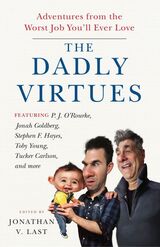
The Dadly Virtues is a tongue-in-cheek collection of encouragement and guidance for any stage of fatherhood, from pacifying babies to prepping for senior prom, from cutting the cord to getting the first, “Best Grandpa” t-shirt. P.J. O’Rourke sets the stage with the chapter, “What Do Men Get from Fatherhood? Besides What They Put In …” and then is followed by:
•Matthew Continetti’s, “Newborn Terror: The Moment You Realize that ‘Bundle of Joy’ Is a Euphemism for Something Very Different.”
•Stephen F. Hayes’ “Siblings: The Best Gift You’ll Ever Give Your Kids.”
•Jonah Goldberg’s “Get Your Kid a Dog: The Moral Case for Pets.”
•Tucker Carlson’s “In Praise of Adventure: How to Fill a Child’s Life with Excitement and Danger (without Getting Them Killed).”
•Michael Graham’s, “Dating: Enjoy the Movie and Please Keep the Impregnation to a Minimum.”
•Christopher Caldwell’s “College: It’s Not as Bad as You Think; It’s Worse.”
•Andrew Ferguson’s “Emerging Adults and Empty Nesters: Just When You Had Fatherhood All Figured Out.”
•Toby Young’s “The Dark Side: Bad Parenting and the Things We Think, but Do Not Say.”
•Joseph Epstein’s “Thanks, Grandpa: Grandfatherhood and the Spirit of the Age.”
•And more.
Father-to-be, two-time-dad, or granddad, each essay will make you laugh and, at the same time, reinforce your commitment to the virtuous—the dadly—life.
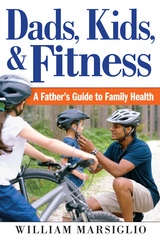
Now more than ever, American dads act as hands-on caregivers who are devoted to keeping themselves and their families healthy. Yet, men are also disproportionately likely to neglect their own health care, diets, and exercise routines—bad habits that they risk passing on to their children.
In Dads, Kids, and Fitness, William Marsiglio challenges dads to become more health-conscious in how they live and raise their children. His conclusions are drawn not only from his revealing interviews with a diverse sample of dads and pediatric healthcare professionals, but also from his own unique personal experiences—as a teenage father who, thirty-one years later, became a later-life dad to a second son. Marsiglio’s research highlights the value of treating dads as central players in what he calls the social health matrix, which can serve both healthy children and those with special needs. He also outlines how schools, healthcare facilities, religious groups, and other organizations can help dads make a positive imprint on their families’ health, fitness, and well-being.
Anchored in compelling life stories of joy, tragedy, and resilience, Dads, Kids, and Fitness extends and deepens public conversation about health at a pivotal historical moment. Its progressive message breathes new life into discussions about fathering, manhood, and health.
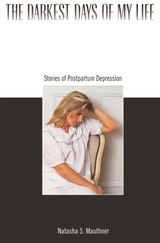
Having a baby is surely one of the pinnacle events of a woman's life, full of joy, serenity, and contentment--or so society tells a new mother, who thus finds herself ill-prepared for the exhaustion, boredom, and isolation that can follow childbirth. The resulting depression--how it is experienced, and how it might be relieved--is the subject of Natasha Mauthner's insightful and compassionate book, which recounts the stories of new mothers caught between a cultural ideal and a far more complex reality.
In Mauthner's interviews with thirty-five new mothers in Britain and America, we see how women contend with images of motherhood as a state of bliss for everyone but themselves. The British women tend to view their depression as a personal failure of strength; American women, as a result of hormonal fluctuation. But all vividly describe a similar state of paralysis and loneliness, with alternating love, resentment, and guilt toward their babies.
Most usefully, these women reveal the positive impact that other new mothers had on their depression. Far more important than their own family's support or understanding, the sense of not being alone in their trials emerges as a key source of strength and healing for women struggling with postpartum depression.

For two years Frank worked as a tutor at Our Place, a Family Focus center for black teenagers in Evanston, Illinois, listening to them talk about their lives, their feelings, and their private dreams. The power of this volume lies in the voices of these young people describing the pleasures as well as the shocks and bruises of thier new role.
Hope, disillusion, fortitude, loneliness: these themes occur and recur as each story unfolds. Readers will be drawn into the lives of these teenagers and will emerge with fresh insight and understanding about teenage parenthood.
theirtheir

READERS
Browse our collection.
PUBLISHERS
See BiblioVault's publisher services.
STUDENT SERVICES
Files for college accessibility offices.
RECENTLY PUBLISHED



UChicago Accessibility Resources
home | accessibility | search | about | contact us
BiblioVault ® 2001 - 2026
The University of Chicago Press