
 A SCHOLARLY BOOK REPOSITORY
3 start with H start with H
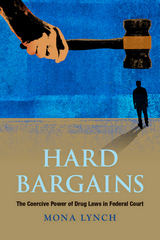
As a result of the War on Drugs, the number of drug cases prosecuted each year in federal courts has increased fivefold since 1980. Lynch goes behind the scenes in three federal court districts and finds that federal prosecutors have considerable discretion in adjudicating these cases. Federal drug laws are wielded differently in each district, but with such force to overwhelm defendants’ ability to assert their rights. For drug defendants with prior convictions, the stakes are even higher since prosecutors can file charges that incur lengthy prison sentences—including life in prison without parole. Through extensive field research, Lynch finds that prosecutors frequently use the threat of extremely severe sentences to compel defendants to plead guilty rather than go to trial and risk much harsher punishment. Lynch also shows that the highly discretionary ways in which federal prosecutors work with law enforcement have led to significant racial disparities in federal courts. For instance, most federal charges for crack cocaine offenses are brought against African Americans even though whites are more likely to use crack. In addition, Latinos are increasingly entering the federal system as a result of aggressive immigration crackdowns that also target illicit drugs.
Hard Bargains provides an incisive and revealing look at how legal reforms over the last five decades have shifted excessive authority to federal prosecutors, resulting in the erosion of defendants’ rights and extreme sentences for those convicted. Lynch proposes a broad overhaul of the federal criminal justice system to restore the balance of power and retreat from the punitive indulgences of the War on Drugs.
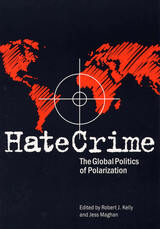
These twelve previously unpublished essays explore the international phenomenon of hate crime, examining the socio-psychological dynamics of these crimes and the settings in which they occur, the relationships between offenders and their victims, the emotional states of the participants, and the legal and law enforcement responses to these crimes.
The essays address religious, racial, ethnic, and sexual crimes in the United States, Latin America, Africa, Europe, and the Middle East. The essayists provide historical reviews of the problems and the ways local authorities understand and cope with the dilemmas as well as prognoses about the persistence of hate crime and the measures that can be taken to control and contain it.
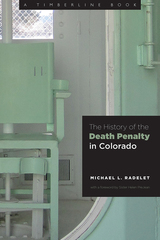
In The History of the Death Penalty in Colorado, noted death penalty scholar Michael Radelet chronicles the details of each capital punishment trial and execution that has taken place in Colorado since 1859. The book describes the debates and struggles that Coloradans have had over the use of the death penalty, placing the cases of the 103 men whose sentences were carried out and 100 more who were never executed into the context of a gradual worldwide trend away from this form of punishment.
For more than 150 years, Coloradans have been deeply divided about the death penalty, with regular questions about whether it should be expanded, restricted, or eliminated. It has twice been abolished, but both times state lawmakers reinstated the contentious punitive measure. Prison administrators have contributed to this debate, with some refusing to participate in executions and some lending their voices to abolition efforts. Colorado has also had a rich history of experimenting with execution methods, first hanging prisoners in public and then, starting in 1890, using the "twitch-up gallows" for four decades. In 1933, Colorado began using a gas chamber and eventually moved to lethal injection in the 1990s.
Based on meticulous archival research in official state archives, library records, and multimedia sources, The History of the Death Penalty in Colorado, will inform the conversation on both sides of the issue anywhere the future of the death penalty is under debate.
READERS
Browse our collection.
PUBLISHERS
See BiblioVault's publisher services.
STUDENT SERVICES
Files for college accessibility offices.
RECENTLY PUBLISHED


UChicago Accessibility Resources
home | accessibility | search | about | contact us
BiblioVault ® 2001 - 2026
The University of Chicago Press