
 A SCHOLARLY BOOK REPOSITORY
4 start with N start with N
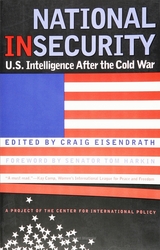
In National Insecurity ten prominent experts describe, from an insider perspective, what went wrong with U.S. intelligence and what will be necessary to fix it. Drawing on their experience in government administration, research, and the foreign service, they propose a radical rethinking of the United States' intelligence needs in the post-Cold War world. In addition, they offer a coherent and unified plan for reform that can simultaneously protect U. S. security and uphold the values of our democratic system.
As we now know, even during the Cold War, when intelligence was seen as a matter of life and death, our system served us badly. It provided unreliable information, which led to a grossly inflated military budget, as it wreaked havoc around the world, supporting corrupt regimes, promoting the drug trade, and repeatedly violating foreign and domestic laws. Protected by a shroud of secrecy, it paid no price for its mistakes. Instead it grew larger and more insulated every year.
Taking into consideration our strategic interests abroad as well as the price of covert operations in dollars, in reliability, and in good will, every American taxpayer can be informed by and will want to read this book. National Insecurity is essential for readers interested in contemporary political issues, international relations, U.S. history, public policy issues, foreign policy, intelligence reform, and political science.
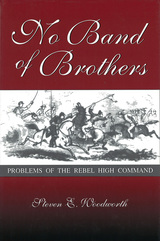
The Civil War was barely over before Southerners and other students of the war began to examine the Confederate high command in search of an explanation for the South's failure. Although years of research failed to show that the South's defeat was due to a single, overriding cause, the actions of the Southern leaders during the war were certainly among the reasons the South lost the war.
In No Band of Brothers, Steven Woodworth explores, through a series of essays, various facets of the way the Confederacy waged its unsuccessful war for secession. He examines Jefferson Davis and some of his more important generals, including Pierre G. T. Beauregard, Leonidas Polk, Joseph E. Johnston, Robert E. Lee, James Longstreet, and Thomas J. "Stonewall" Jackson; the Confederacy's strategic plans; and the South's success in making competent officers out of men with very little military preparation.
Woodworth particularly looks at the personalities and personal relationships that affected the course and outcome of the war. What made a good general? What could make an otherwise able man a failure as a general? What role did personal friendships or animosities play in the Confederacy's top command assignments and decisions? How successful was the Confederacy in making competent generals out of its civilian leaders? In what ways did Jefferson Davis succeed or fail in maximizing the chances for the success of his cause?
In analyzing the Confederate leadership, Woodworth reveals some weaknesses, many strengths, and much new information. No Band of Brothers will be an important addition to Civil War scholarship and will be welcomed by professional historians, amateur historians, students, and the general reader alike.

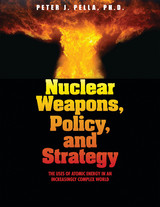
In this comprehensive introduction to nuclear physics, related national and international policy issues from Dr. Pete Pella, Gettysburg College nuclear physicist, educators will find a definitive textbook on the peaceful and military uses of nuclear energy. Pella traces both the scientific evolution and political history of nuclear power and arms, bringing us to current events including nuclear plant development, status of treaties, U.S.-Russia disarmament efforts, and policing of rogue nations. Must reading for the world’s citizens concerned about these vital issues.
READERS
Browse our collection.
PUBLISHERS
See BiblioVault's publisher services.
STUDENT SERVICES
Files for college accessibility offices.
RECENTLY PUBLISHED



UChicago Accessibility Resources
home | accessibility | search | about | contact us
BiblioVault ® 2001 - 2026
The University of Chicago Press