
 A SCHOLARLY BOOK REPOSITORY
6 start with P start with P
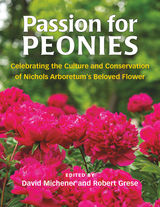
Originally planted in 1922, the Nichols Arboretum Peony Garden now boasts North America’s largest public collection of heirloom herbaceous peonies. The Peony Garden has become a sacred space for the Ann Arbor community, a not-to-be-missed sensation when it erupts each season, as the Ann Arbor Observer once wrote, in “a riot of color, of crimson, rose and shell pink intermingled with fluffy pompoms of creamy white.” The rather short period of peak bloom—about two fleeting weeks each year—only seems to intensify the garden’s appeal, drawing thousands of visitors annually to this spectacular “living museum” on campus that showcases upwards of 10,000 blossoms.
Richly illustrated with hundreds of striking color photos, Passion for Peonies collects twenty short essays that celebrate the story of the Nichols Arboretum Peony Garden as well as the rich social history of peony gardening that it is an integral part of. Together these pieces comprise a love letter both to a magical public space at the University of Michigan and to the broader history and culture of peony gardening. The book will appeal to readers interested in the University of Michigan, the history of public gardens, and of course peonies!

A perennial garden is an ever-changing source of delight. Each season brings new colors and textures in flowers and foliage. As the years go by, perennial plantings mature and interweave into forms more beautiful and surprising than a season's growth of annuals can ever give. Best of all, a perennial garden can grow almost anywhere with plants suited to local soils, temperatures, and rainfall.
This book is a complete guide to perennial gardening in Texas and similar regions of eastern New Mexico, Oklahoma, Arkansas, Louisiana, Mississippi, Alabama, Georgia, Florida, and the Carolinas. In Part One, Julie Ryan offers a historical sketch of cottage gardens and perennial borders, with a sampler of some of their modern variations. In Part Two, she defines the major ecological regions of Texas and, with words and color photographs, takes you on a tour of lovely public and private gardens in each region.
You'll find all the "how to" information for creating your own garden in Part Three. Ms. Ryan describes and pictures over 300 flowering perennials, bulbs, foliage plants, and old roses suitable for Texas gardens, with lists of companion annuals, vines, shrubs, and small trees. Accompanying charts provide quick reference to each plant's preferred regions and cultivation requirements. In addition, Ms. Ryan discusses how to design a garden and select plants, prepare the beds, and deal with garden pests. She concludes with substantial lists of resources, including mail-order suppliers of perennials, bulbs, and old roses.
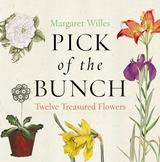
In the dark, bitter days of winter, when the ground lies frozen and snow-covered, it can be hard to believe that mere months before, gardens and window boxes were bursting forth with fragrant, colorful blossoms. Today on the frosty walk home, at least we can pick up cut flowers at the store to remind us of the spring to come. But before the technological miracles of hothouses and refrigeration, flowers could only be captured for the winter months by artists and painters. Some of the finest flower-pieces ever painted were by Dutch and Flemish artists in the seventeenth century, which depict flowers in vases of metal and porcelain, sometimes with insects and butterflies nestling in petals or clinging to stalks. From these flower-pieces we can see what Europeans of the time considered desirable flowers: the rose, iris, carnation, lily, snowdrop, violet, fritillary, narcissus, tulip, daffodil, and hyacinth—many of which are still our favorites today.
Alongside lush color botanical illustrations, Pick of the Bunch presents the social history of these flora—how they arrived in our gardens; how they were bought, acquired and displayed; and who were their devotees and cultivators. The book delves into their symbolic associations in classical and Christian traditions and examines the complex language of flowers employed by the Victorians. Beautiful to behold and engagingly written, Pick of the Bunch is a wonderful gift for any garden lover and will be a warm, much needed glimpse of spring and summer throughout the cold, barren months.

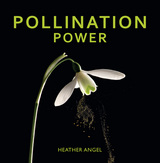
In stunning full-color images, employing the latest photographic techniques, esteemed photographer Heather Angel has captures the intimate interactions of plants with their floral pollinators. The plants come not only from Angel’s Surrey backyard and the Royal Botanic Garden at Kew, but from twenty countries where Angel has travelled—from the rich floral kingdoms of the Cape of South Africa to the diversity of China and the Americas. The photos illustrate the varied techniques that flowers use to communicate with their pollinators. Some, for example, change color when the flower no longer has rewards to offer. Others control precisely when pollinators enter or leave by timing when they open and close their petals or when they emit a scent. This fascinating array of pollination repertoires crossfertilizes Angel’s photos with a descriptive text.
Featuring both common and exotic plants and temperate and tropical floral, Pollination Power will entice anyone with a passion for botanicals, from gardeners to botanists alike.
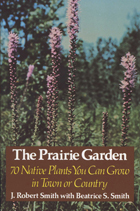
Prairie plants are among the toughest of all ornamentals. While they fascinate gardeners with their beauty and versatility, they require little maintenance. They are highly resistant to insect and disease damage, and they need not be replanted every year.
In recent years, the idea of growing prairie plants has gained increasing appeal among gardeners. Bob and Beatrice Smith have prepared this practical growing guide—based on their more than fourteen years of experience and experimentation—for all people who wish to grow prairie plants. The Smiths, who have grown all the plants they discuss here, share their wealth of experience with the reader. They recommend the best sites, tell how to plan and prepare the site and how to treat and plant seeds, and share important tips on propagation, transplanting, and managing the prairie garden or landscape. To aid in both planning and identification, the book includes full-color illustrations of all seventy plants.
READERS
Browse our collection.
PUBLISHERS
See BiblioVault's publisher services.
STUDENT SERVICES
Files for college accessibility offices.
RECENTLY PUBLISHED






UChicago Accessibility Resources
home | accessibility | search | about | contact us
BiblioVault ® 2001 - 2026
The University of Chicago Press