
 A SCHOLARLY BOOK REPOSITORY
3 start with R start with R
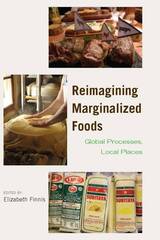
With globalization has come an increased focus on food—where it comes from, how it is transported, who eats it, and what cultural significance it has. This volume brings together ethnographically based anthropological analyses of shifting meanings and representations associated with the foods, ingredients, and cooking practices of marginalized and/or indigenous cultures. Contributors are particularly interested in how these foods intersect with politics, nationhood and governance, identity, authenticity, and conservation.
The chapters cover diverse locales, issues, and foods: the cultural meanings of sinonggi, a thick sago porridge from Sulawesi, Indonesia; the significance of pom, a Surinam dish popular in the Netherlands; the transformation of alpaca meat in Peru; the impact of culinary tourism on indigenous cuisine in Mexico; the re-presenting of minor millets in South India; and the development of cheeses in the Italian Alps. A conceptual essay on food and social boundaries rounds out the collection.
Throughout, the contributors address important questions, including: How are traditional foods “repackaged” in the process of mainstreaming access? What does this repackaging mean for the ways local or indigenous peoples view their traditional food practices? How are local cuisines mobilized in movements to create national images and identities? What tensions emerge between new representations of foods and local cultural meanings?
Together the contributors provide a thoughtful inquiry into what happens when food and culinary practices are moved from the cultural or physical margins, and how such movements can be shaped by—and employed in the pursuit of—political, social, and cultural goals.
Winner of the James Beard Award for Best Book in Food Issues and Advocacy
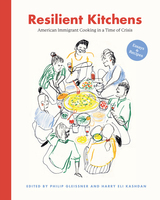
Immigrants have left their mark on the great melting pot of American cuisine, and they have continued working hard to keep America’s kitchens running, even during times of crisis like the COVID-19 pandemic. For some immigrant cooks, the pandemic brought home the lack of protection for essential workers in the American food system. For others, cooking was a way of reconnecting with homelands they could not visit during periods of lockdown.
Resilient Kitchens: American Immigrant Cooking in a Time of Crisis is a stimulating collection of essays about the lives of immigrants in the United States before and during the COVID-19 pandemic, told through the lens of food. It includes a vibrant mix of perspectives from professional food writers, restaurateurs, scholars, and activists, whose stories range from emotional reflections on hardship, loss, and resilience to journalistic investigations of racism in the American food system. Each contribution is accompanied by a recipe of special importance to the author, giving readers a taste of cuisines from around the world. Every essay is accompanied by gorgeous food photography, the authors’ snapshots of pandemic life, and hand-drawn illustrations by Filipino American artist Angelo Dolojan.

Before the 1820s, the vast majority of Americans ate only at home. As the nation began to urbanize and industrialize, home and work became increasingly divided, resulting in new forms of commercial dining.
In this fascinating book, Kelly Erby explores the evolution of such eating alternatives in Boston during the nineteenth century. Why Boston? Its more modest assortment of restaurants, its less impressive—but still significant—expansion in commerce and population, and its growing diversity made it more typical of the nation’s other urban centers than New York. Restaurants, clearly segmented along class, gender, race, ethnic, and other lines, helped Bostonians become more comfortable with deepening social stratification in their city and young republic even as the experience of eating out contributed to an emerging public consumer culture.
Restaurant Republic sheds light on how commercial dining both reflected and helped shape growing fragmentation along lines of race, class, and gender—from the elite Tremont House, which served fashionable French cuisine, to such plebeian and ethnic venues as oyster saloons and Chinese chop suey houses. The epilogue takes us to the opening, in 1929 near Boston, of the nation’s first Howard Johnson’s and that restaurant’s establishment as a franchise in the next decade. The result is a compelling story that continues to shape America.
READERS
Browse our collection.
PUBLISHERS
See BiblioVault's publisher services.
STUDENT SERVICES
Files for college accessibility offices.
RECENTLY PUBLISHED






UChicago Accessibility Resources
home | accessibility | search | about | contact us
BiblioVault ® 2001 - 2026
The University of Chicago Press