
 A SCHOLARLY BOOK REPOSITORY
4 start with W start with W
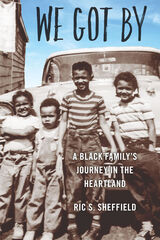
Spanning four generations and assessing the legacies of traumatic events (arrests, murders, suicide) that are inextricable from the racial dynamics of the small community his family called home, this gripping memoir is a heartfelt, clear-eyed, and rare chronicle of Black life in the rural Midwest. Experiencing the burden of racism among people who refused to accept that such a thing existed only made the isolation feel that much worse to Sheffield and his relatives. And yet, they overcame the obstacles and managed to persist: they got by.
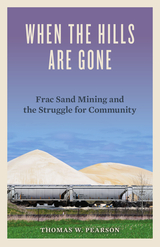
Fracking is one of the most controversial methods of fossil fuel extraction in the United States, but a great deal about it remains out of the public eye. In Wisconsin it has ignited an unprecedented explosion in the state’s sand mining operations, an essential ingredient in hydraulic fracturing that has shaken local communities to the core.
In When the Hills Are Gone, Thomas W. Pearson reveals the jolting impact of sand mining on Wisconsin’s environment and politics. A source of extraordinary wealth for a lucky few, and the cause of despoiled land for many others, sand mining has raised alarm over air quality, water purity, noise, blasting, depressed tourism, and damage to the local way of life. It has also spurred a backlash in a grassroots effort that has grown into a mature political movement battling a powerful mining industry.
When the Hills Are Gone tells the story of Wisconsin’s sand mining wars. Providing on-the-ground accounts from both the mining industry and the concerned citizens who fought back, Pearson blends social theory, ethnography, stirring journalism, and his own passionate point of view to offer an essential chapter of Wisconsin’s history and an important episode in the national environmental movement. Digging deep into the struggles over place, community, and local democracy that are occurring across the United States, When the Hills Are Gone gives vital insight into America’s environmental battles along the unexpected frontlines of energy development.
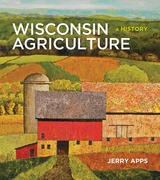
"I'm embarrassed to say I thought I knew anything substantial about Wisconsin agriculture or its history before I read this book. 'Wisconsin Agriculture' should be required reading in history classes from high school to the collegiate level. It makes me thankful that Jerry Apps has such a sense of commitment to Wisconsin's agricultural heritage--and to getting the story right." --Pam Jahnke, Farm Director, Wisconsin Farm Report Radio
Wisconsin has been a farming state from its very beginnings. And though it's long been known as "the Dairy State," it produces much more than cows, milk, and cheese. In fact, Wisconsin is one of the most diverse agricultural states in the nation.
The story of farming in Wisconsin is rich and diverse as well, and the threads of that story are related and intertwined. In this long-awaited volume, celebrated rural historian Jerry Apps examines everything from the fundamental influences of landscape and weather to complex matters of ethnic and pioneer settlement patterns, changing technology, agricultural research and education, and government regulations and policies. Along with expected topics, such as the cranberry industry and artisan cheesemaking, "Wisconsin Agriculture" delves into beef cattle and dairy goats, fur farming and Christmas trees, maple syrup and honey, and other specialty crops, including ginseng, hemp, cherries, sugar beets, mint, sphagnum moss, flax, and hops. Apps also explores new and rediscovered farming endeavors, from aquaculture to urban farming to beekeeping, and discusses recent political developments, such as the 2014 Farm Bill and its ramifications. And he looks to the future of farming, contemplating questions of ethical growing practices, food safety, sustainability, and the potential effects of climate change.
Featuring first-person accounts from the settlement era to today, along with more than 200 captivating photographs, "Wisconsin Agriculture" breathes life into the facts and figures of 150 years of farming history and provides compelling insights into the state's agricultural past, present, and future.
READERS
Browse our collection.
PUBLISHERS
See BiblioVault's publisher services.
STUDENT SERVICES
Files for college accessibility offices.
RECENTLY PUBLISHED




UChicago Accessibility Resources
home | accessibility | search | about | contact us
BiblioVault ® 2001 - 2025
The University of Chicago Press