
 A SCHOLARLY BOOK REPOSITORY
Animals have always been compelling subjects for artists, but the rise of animal advocacy and posthumanist thought has prompted a reconsideration of the relationship between artist and animal. In this book, Steve Baker examines the work of contemporary artists who directly confront questions of animal life, treating animals not for their aesthetic qualities or as symbols of the human condition but rather as beings who actively share the world with humanity.
The concerns of the artists presented in this book—Sue Coe, Eduardo Kac, Lucy Kimbell, Catherine Chalmers, Olly and Suzi, Angela Singer, Catherine Bell, and others—range widely, from the ecological to the philosophical and from those engaging with the modification of animal bodies to those seeking to further the cause of animal rights. Drawing on extensive interviews he conducted with the artists under consideration, Baker explores the vital contribution that contemporary art can make to a broader conception of animal life, emphasizing the importance of creativity and trust in both the making and understanding of these artworks.
Throughout, Baker is attentive to issues of practice, form, and medium. He asks, for example, whether the animal itself could be said to be the medium in which these artists are working, and he highlights the tensions between creative practice and certain kinds of ethical demands or expectations. Featuring full-color, vivid examples of their work, Artist Animal situates contemporary artists within the wider project of thinking beyond the human, asserting art’s power to open up new ways of thinking about animals.
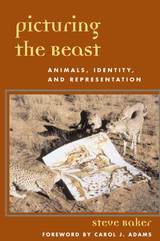
Baker provides an animated discussion of how animals enter into the iconography of power through wartime depictions of the enemy, political cartoons, and sports symbolism. He examines a phenomenon he calls the "disnification" of animals, meaning a reduction of the animal to the trivial and stupid, and shows how books featuring talking animals underscore human superiority. He also discusses how his findings might inform the strategies of animal rights advocates seeking to call public attention to animal suffering and abuse. Until animals are extricated from the baggage of imposed images, Baker maintains, neither they nor their predicaments can be clearly seen.
For this edition, Baker provides a new introduction, specifically addressing an American audience, that touches on such topics as the Cow Parade, animal imagery in the presidential race, and animatronic animals in recent films.
READERS
Browse our collection.
PUBLISHERS
See BiblioVault's publisher services.
STUDENT SERVICES
Files for college accessibility offices.
RECENTLY PUBLISHED



UChicago Accessibility Resources
home | accessibility | search | about | contact us
BiblioVault ® 2001 - 2026
The University of Chicago Press