
 A SCHOLARLY BOOK REPOSITORY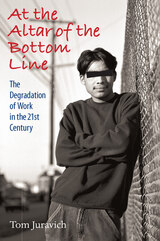
Tom Juravich combines oral history with social and economic analysis to provide a vivid account of the multiple challenges presented in today's workplaces.
Based on extensive interviews with workers in four different industries, this book takes us behind the statistics of the economic collapse and into the lives of Americans who are struggling to make ends meet and support their families.
At a Verizon call center in Andover, Massachusetts, customer service reps find themselves overwhelmed by the pace of work and the constant monitoring. They describe a daily routine marked by regimentation, intense pressure to sell, and unrelenting stress. In New Bedford, undocumented Guatemalans in the fish-processing industry are fired if they don't work fast enough, cheated out of wages, and mistreated by supervisors. Juravich describes a brutal immigration raid by U.S. Immigration and Customs Enforcement that divided families and forced workers further underground.
Juravich then takes us inside the operating rooms at the Boston Medical Center, where hospital consolidation has brought a new “bottom line” philosophy that has fundamentally altered the way patient care is delivered. Surgery takes place almost non-stop, driving some nurses from their chosen profession and leaving those who remain exhausted.
The final case study looks at the shuttering of the Jones Beloit plant, an internationally known manufacturer of machinery for the paper industry. Despite the best efforts of highly skilled and productive workers to save their plant, it was abruptly closed and they were abandoned after their CEO recklessly became involved in a shaky foreign investment.
Juravich argues that workers face a series of paradoxes in the contemporary American workplace. They can no longer assume that large established firms create good jobs. The new working conditions often resemble what was traditionally associated with marginal and low-wage employers. He concludes that we must bring a discussion about the quality of jobs back into the public discourse and that a “good jobs” strategy is a fundamental building block to economic recovery.
Workers' voices are front and center in this highly readable book. It includes striking photographs by Paul Shoul and a CD that presents a series of audio documentaries with excerpts from the interviews, as well as four original songs written and performed by Juravich.

READERS
Browse our collection.
PUBLISHERS
See BiblioVault's publisher services.
STUDENT SERVICES
Files for college accessibility offices.
RECENTLY PUBLISHED




UChicago Accessibility Resources
home | accessibility | search | about | contact us
BiblioVault ® 2001 - 2026
The University of Chicago Press